


WHO Confirms 5 Hantavirus Cases on Cruise Ship, Urges US, Argentina to Reconsider WHO Exit
Translated from Korean, summarized and contextualized by DistantNews.
TLDR
- The World Health Organization confirmed five cases of Hantavirus on a cruise ship in the Atlantic, including three deaths, with two additional suspected cases.
- The WHO stated the outbreak is likely limited and the public health risk is low, noting the Andes virus strain has limited human-to-human transmission, primarily among close contacts.
- Concerns remain about potential spread as passengers disembarked in various countries, prompting the WHO to notify 12 nations and arrange for diagnostic kits to be sent to Argentina.
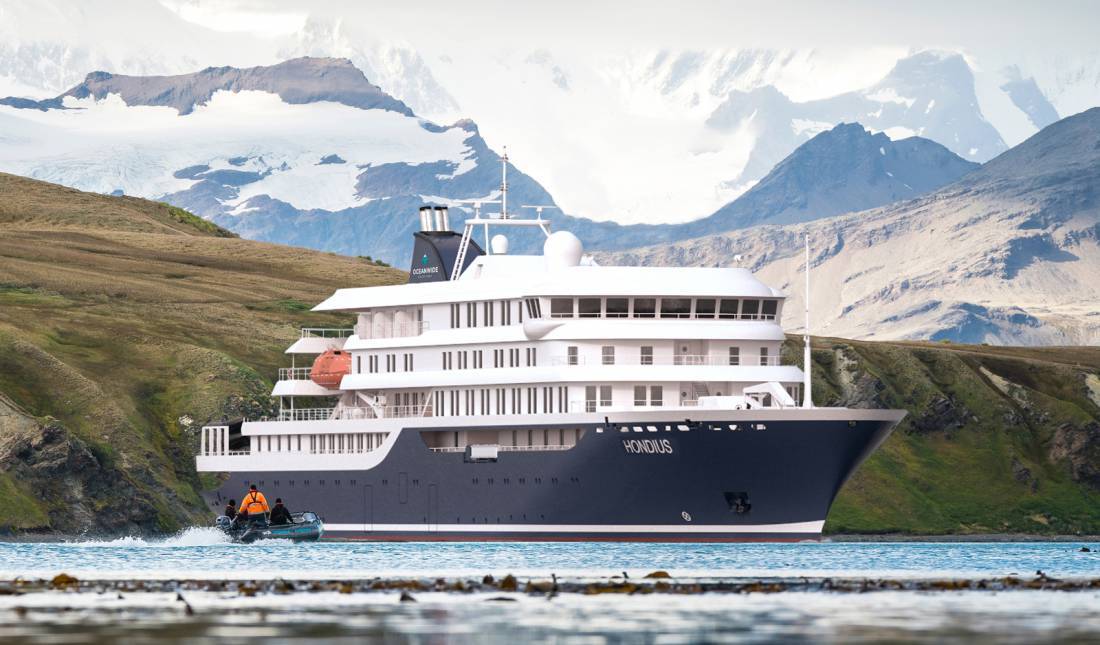
The World Health Organization (WHO) is working to contain a Hantavirus outbreak aboard the cruise ship MV Honfleur, where five cases, including three fatalities, have been confirmed. While the WHO emphasizes the limited public health risk, the potential for global spread due to passengers disembarking in multiple countries is a significant concern.
Now we have 8 cases reported, including 3 deaths, and 5 of them have been confirmed as Hantavirus.
The WHO's Director-General, Tedros Adhanom Ghebreyesus, stated that while the situation is serious, the risk is low, as the Andes virus strain, common in Latin America, has limited human-to-human transmission. He noted that further cases might emerge given the virus's incubation period of up to six weeks. This cautious optimism is echoed by Dr. Karin Ellen Feltkamp of Leiden University Medical Center, who told AFP that Hantavirus is far less contagious than COVID-19.
This event is serious, but the WHO assesses the public health risk as low.
However, the global nature of cruise ship travel means that passengers have already dispersed to 12 countries, including Canada, Denmark, Germany, the Netherlands, New Zealand, Saint Kitts and Nevis, Singapore, Sweden, Switzerland, Turkey, the United Kingdom, and the United States. The WHO is actively collecting information and conducting medical assessments for these individuals. The organization has also sent 2,500 diagnostic kits to five laboratories in Argentina to bolster testing capacity.
The best immunity we have is solidarity.
In a related development, the WHO publicly urged the United States and Argentina to reconsider their decisions to withdraw from the organization, highlighting the importance of global solidarity in addressing health crises. Dr. Ghebreyesus stressed that viruses do not recognize political boundaries, underscoring the need for unified action. The cruise ship itself faced port rejections before heading to Spain's Canary Islands, illustrating the immediate challenges of managing such outbreaks.
Viruses do not care about our politics or our borders or any excuses we make.
DistantNews Editorial
Originally published by Hankyoreh in Korean. Translated, summarized, and contextualized by our editorial team with added local perspective. Read our editorial standards.
More Stories


From Our Blog

What Gets Lost (and Found) When News Is Translated

The Critical Role of Diaspora Media in Global News

What Travellers Should Know About Countries with Restricted Press

A Digital Nomad's Guide to Following Local News

How the Same Story Looks Different in Different Countries
