


WHO considers all on cruise ship high-risk for hantavirus
Translated from Danish, summarized and contextualized by DistantNews.
TLDR
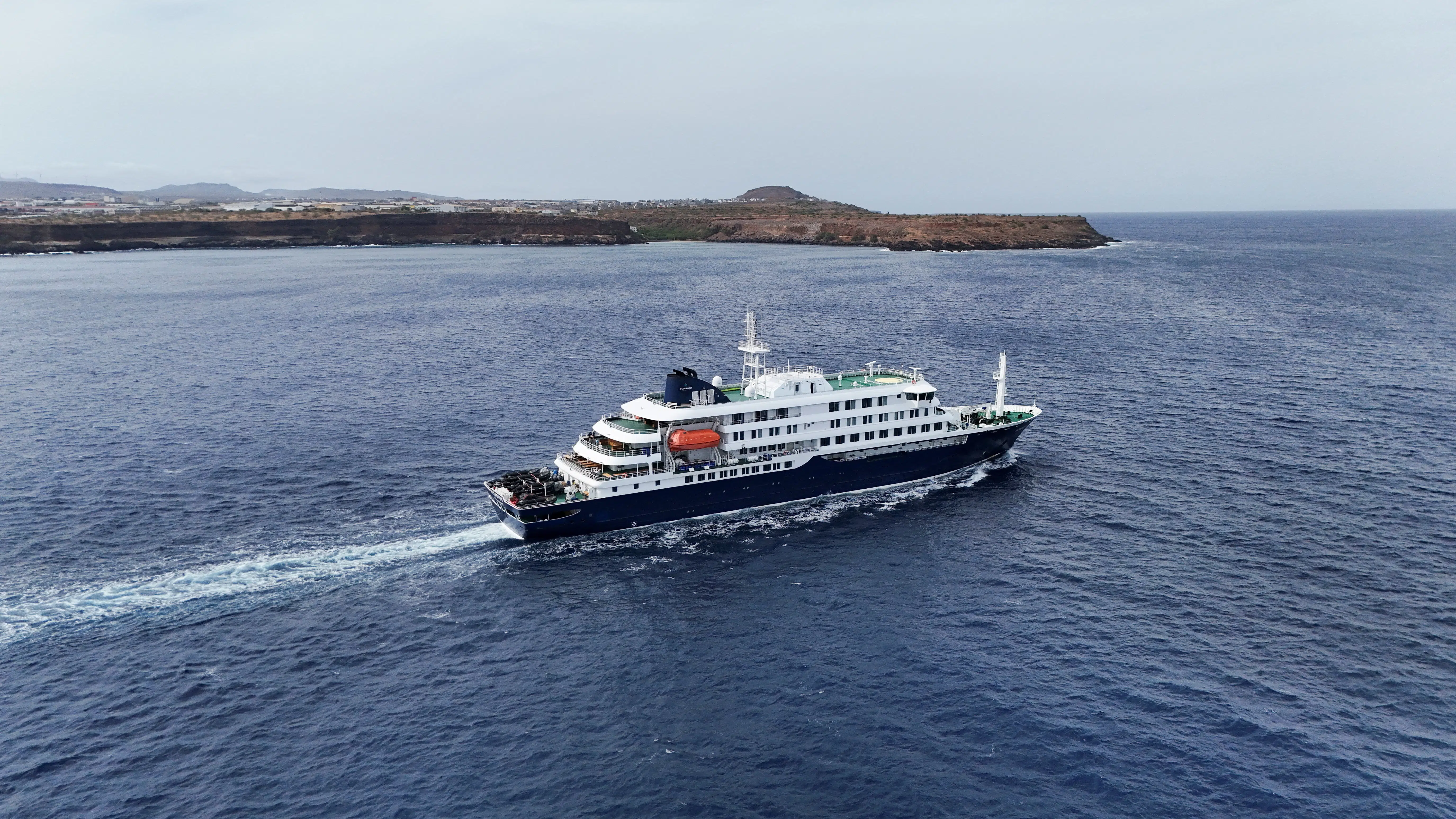
- The WHO has classified all passengers and crew on the cruise ship 'Hondius' as high-risk contacts for hantavirus.
- The ship, which experienced multiple hantavirus cases including fatalities, is expected to dock in Tenerife, Spain.
- Hantavirus can cause severe lung disease with a high mortality rate or a less dangerous kidney-related illness, spread through rodents.
A concerning situation has unfolded aboard the cruise ship 'Hondius,' with the World Health Organization (WHO) now considering everyone on board as high-risk contacts for hantavirus. This designation necessitates monitoring for the next 42 days, a stark reminder of the potential for infectious diseases to spread even in controlled environments like a cruise ship.
The vessel's journey, which began in Argentina and included stops in St. Helena, has been marred by illness and death. The confirmed cases and fatalities, including a Dutch couple, have led to strict quarantine measures, with authorities in Cape Verde initially denying the ship permission to dock. The ship's eventual arrival in Tenerife, part of Spain's Canary Islands, marks a critical juncture in managing this public health concern.
Hantavirus, primarily spread by rodents, can manifest in two forms: a severe, often fatal lung illness, and a less dangerous kidney-related disease. The high mortality rate associated with the pulmonary form (up to 40%) understandably heightens global health alerts. While no Danish nationals are confirmed infected, the situation underscores the interconnectedness of global health and the importance of swift, coordinated responses from international health organizations like the WHO.
From a Danish perspective, while we are not directly impacted by this specific outbreak, the incident serves as a potent case study in disease surveillance and international cooperation. The WHO's proactive classification and the subsequent docking arrangements highlight the complex protocols in place to manage such health crises. It is a reminder that vigilance and preparedness are crucial, especially as global travel continues to connect distant regions, potentially facilitating the rapid spread of pathogens.
Vi klassificerer alle om bord som det, vi kalder højrisikokontakter
DistantNews Editorial
Originally published by Berlingske in Danish. Translated, summarized, and contextualized by our editorial team with added local perspective. Read our editorial standards.
More Stories

From Our Blog

What Gets Lost (and Found) When News Is Translated

The Critical Role of Diaspora Media in Global News

What Travellers Should Know About Countries with Restricted Press

A Digital Nomad's Guide to Following Local News

How the Same Story Looks Different in Different Countries
