

WHO Warns Allergies Are Becoming a Global 'Pandemic'
Translated from Vietnamese, summarized and contextualized by DistantNews.
TLDR
- The WHO warns that allergies are becoming a global 'silent pandemic,' potentially affecting 50% of the world's population by 2050.
- Factors contributing to the rise include urbanization, climate change, and modern lifestyle shifts, such as dietary changes and increased exposure to processed foods.
- While treatments have advanced, the cost remains high, with researchers hoping for allergy vaccines as a future breakthrough.
The World Health Organization (WHO) has issued a stark warning: allergies are escalating into a global 'silent pandemic.' Projections indicate that by 2050, half the world's population could suffer from at least one form of allergy, a dramatic increase from the current 30% and the mere 5-10% recorded in the 1980s. Experts attribute this alarming trend to a confluence of factors, including rapid urbanization, the pervasive effects of climate change, and fundamental shifts in our lifestyles.
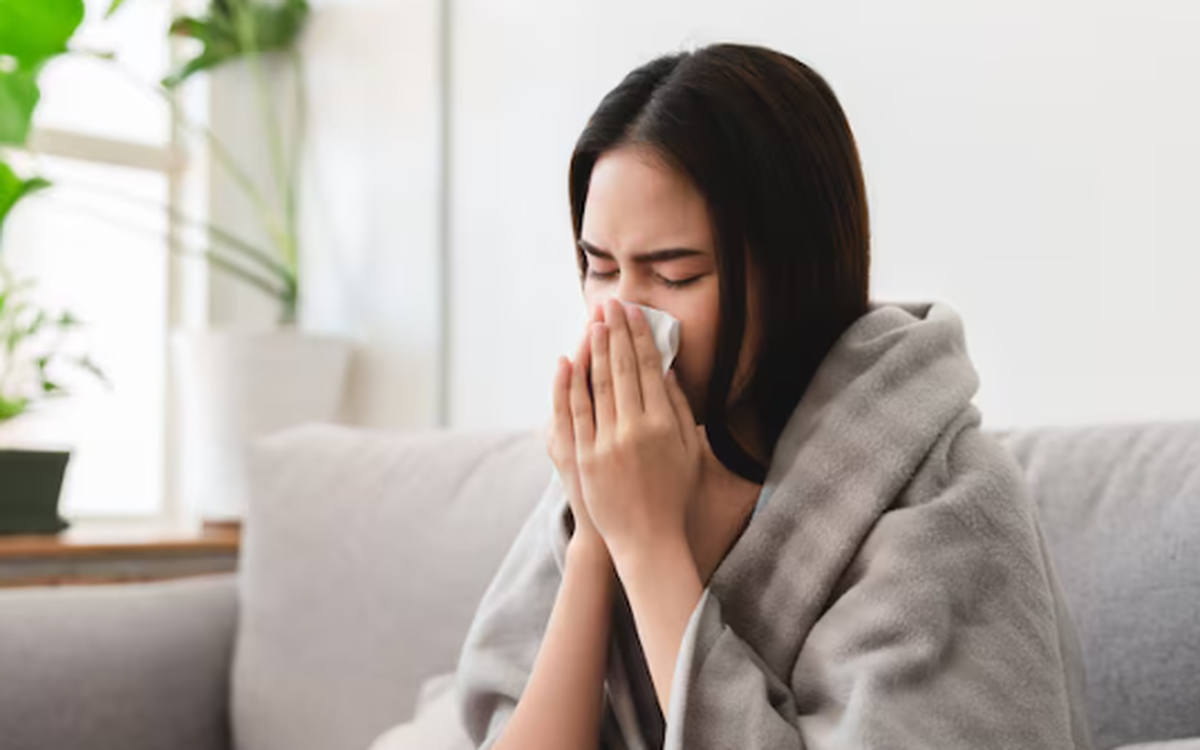
Nearly 30% of the world's population suffers from allergy problems.
Urbanization plays a significant role, as children increasingly have less exposure to natural environments and diverse microbial ecosystems. Studies suggest that children raised on farms, with earlier and more frequent contact with soil and animal-related bacteria, tend to have a lower risk of developing allergies compared to their urban counterparts. This highlights a potential disconnect between modern living and the development of robust immune systems.
By 2050, about 50% of the world's population may suffer from at least one form of allergy.
Climate change further exacerbates the situation. Rising temperatures are prolonging pollen seasons, and allergenic plants like ragweed, cypress, and mugwort are expanding their reach into northern European regions. Compounding this, air pollution from traffic and industry irritates the skin and respiratory tracts, making individuals more susceptible to allergens. Pollutants like ozone and nitrogen dioxide can even alter pollen structures, rendering them more aggressive towards the immune system.
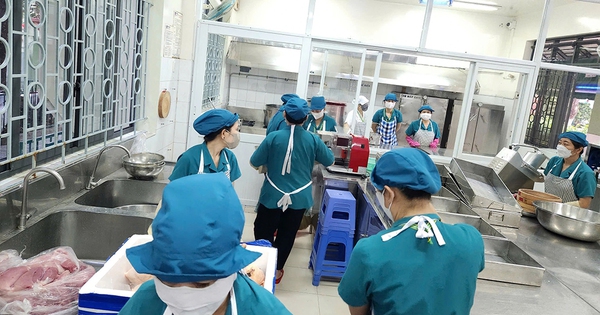
Children raised on farms often have a lower risk of allergies than children living in cities, due to their immune systems being exposed early to bacteria in the soil and farming environment.
Furthermore, changes in modern diets are contributing to the allergy epidemic. Specialists are observing a rise in allergies to foods like kiwi and sesame, as well as various imported products. Highly processed foods, such as industrial pizzas, fried meats, and products laden with additives, are suspected of weakening the immune system. Certain additives, like guar gum, commonly used as a thickener, have even been linked to severe allergic reactions, including anaphylactic shock. Healthcare professionals urge the public not to underestimate any allergic symptom, no matter how mild, as it can progress if not properly monitored and treated. While advancements in molecular testing and biological therapies offer hope for managing severe allergies, the associated costs remain a significant barrier. The scientific community is now looking towards allergy vaccines as a potential game-changer, with promising preliminary results from animal trials.
The cost of treatment remains high.
DistantNews Editorial
Originally published by Tuổi Trẻ in Vietnamese. Translated, summarized, and contextualized by our editorial team with added local perspective. Read our editorial standards.
More Stories



From Our Blog

What Gets Lost (and Found) When News Is Translated

The Critical Role of Diaspora Media in Global News

What Travellers Should Know About Countries with Restricted Press

A Digital Nomad's Guide to Following Local News

How the Same Story Looks Different in Different Countries
