


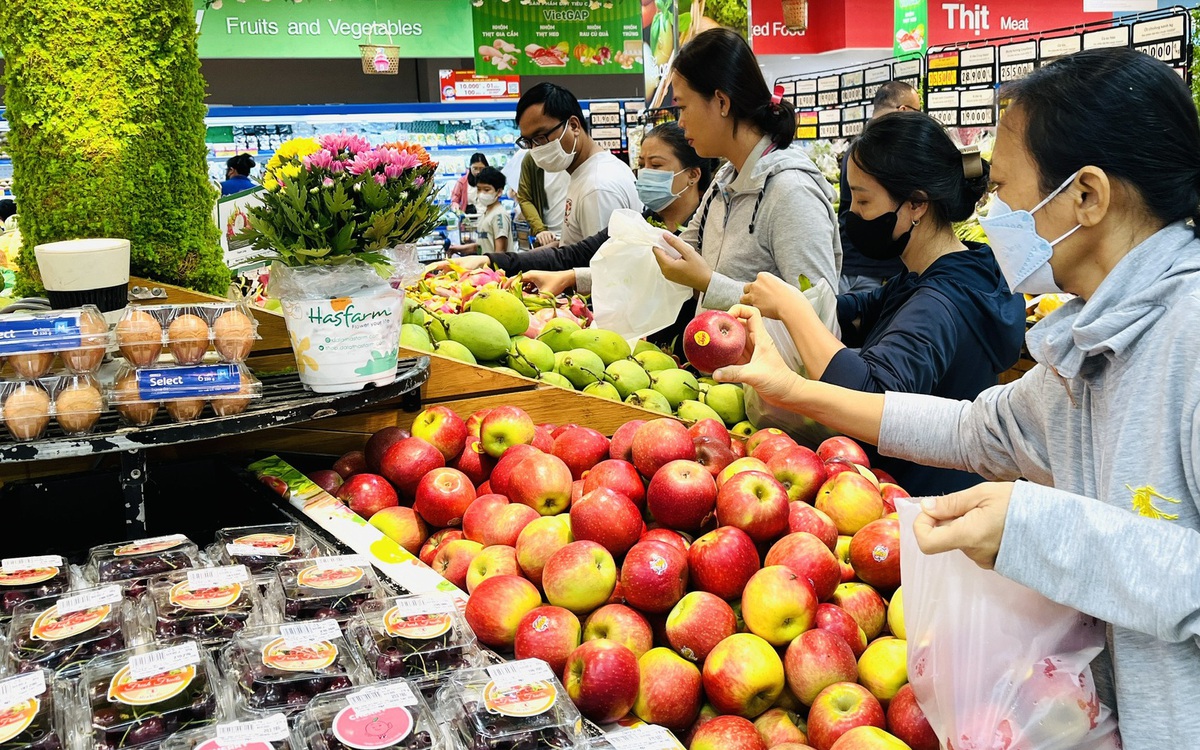
Whole fruit or juice: What's better for diabetics?
Translated from Vietnamese, summarized and contextualized by DistantNews.
TLDR
- Current nutritional recommendations state that diabetics do not need to completely avoid fruit, but should consider how they consume it.
- Whole fruits contain fiber that slows sugar absorption, while fruit juices lack this fiber and can lead to rapid blood sugar spikes.
- Diabetics should prioritize whole fruits over juices, especially those managing blood sugar, triglycerides, fatty liver, or weight.
For individuals managing diabetes, the question of whether to consume fruit whole or as juice is a common concern. Leading health organizations, including the American Diabetes Association (ADA) in its 2026 Standards of Care, emphasize that fruit can and should be part of a healthy diabetic diet when accounted for within the total carbohydrate intake.
Fruit juice makes many people consume more carbohydrates without realizing it.
Dr. Duong Minh Tuan from Bach Mai Hospital's Endocrinology and Diabetes department explains the critical difference: whole fruits retain their cellular structure, with sugars bound within the fiber, water, vitamins, and minerals. This structure necessitates chewing and digestion, leading to a slower, more gradual release of sugar into the bloodstream. The fiber content further aids in delaying gastric emptying and glucose absorption, resulting in a gentler post-meal blood sugar response.
In stark contrast, fruit juices, even 100% natural ones, have had their cellular structures broken down by juicing machines. This process releases the sugars, making them rapidly absorbable. A single glass of juice can contain the sugar equivalent of several whole fruits, but without the beneficial fiber. This ease of consumption means individuals can inadvertently ingest a large amount of carbohydrates and calories quickly, potentially causing significant blood sugar spikes. This is particularly concerning for diabetics aiming to control post-meal glucose levels, manage elevated triglycerides, combat fatty liver disease, or address overweight and obesity.
For people with diabetes, especially those controlling post-meal blood sugar, high triglycerides, fatty liver, or overweight or obesity, fruit juice should not be considered a healthy drink to consume freely.
Furthermore, commercially prepared juices often contain added sugars, syrups, or condensed milk, exacerbating the issue. While whole fruits like blueberries and apples have been linked in epidemiological studies to a lower risk of type 2 diabetes, fruit juices have shown a tendency towards a higher risk. Therefore, for our readers in Vietnam managing diabetes, prioritizing whole fruits over juices is a crucial dietary strategy for better health outcomes.
Eating 2 oranges might make one feel full. But squeezing 2-3 oranges into a glass of juice can be drunk in less than a minute. This makes it easy for patients to consume more carbohydrates without realizing it.
DistantNews Editorial
Originally published by Tuổi Trẻ in Vietnamese. Translated, summarized, and contextualized by our editorial team with added local perspective. Read our editorial standards.
More Stories



From Our Blog

What Gets Lost (and Found) When News Is Translated

The Critical Role of Diaspora Media in Global News

What Travellers Should Know About Countries with Restricted Press

A Digital Nomad's Guide to Following Local News

How the Same Story Looks Different in Different Countries
