

Why Beijing struggles to win Indian hearts and minds despite diplomatic thaw
Summarized and contextualized by DistantNews.
At a glance
News
Named sources
Context piece
- Chinese researchers argue Beijing struggles to win over the Indian public despite a diplomatic thaw.
- They cite a lack of long-term strategy and inadequate cultivation of non-governmental opinion leaders.
- China's current propaganda efforts, focused on policy promotion, fail to resonate with the broader Indian public.
- A significant "cognitive gap" and prevalent stereotypes exist between the two populations, fueling mutual distrust.
Despite a recent thawing in relations between the Chinese and Indian governments, Beijing has yet to win the hearts and minds of the Indian public. Chinese researchers attribute this struggle to a lack of a long-term strategy and insufficient communication channels.
Beijing needed to find common ground by expanding its bottom-up strategies as “a matter of urgency”.
Zhou Qingan, dean of Tsinghua University’s school of journalism, and research assistant Li Yiming, argue in a recent article that Beijing urgently needs to expand its bottom-up strategies to find common ground with India. They suggest that improved propaganda efforts in India would serve Beijing's strategic interests in the Global South. However, they criticize China's current approach, which relies heavily on official channels, as "weak and lacks long-term planning," with a "severely inadequate" cultivation of non-governmental opinion leaders.
However, Beijing’s current strategy, which primarily relied on China’s official channels, remained “weak and lacks long-term planning”, they said, adding that cultivation of non-governmental opinion leaders was “severely inadequate”.
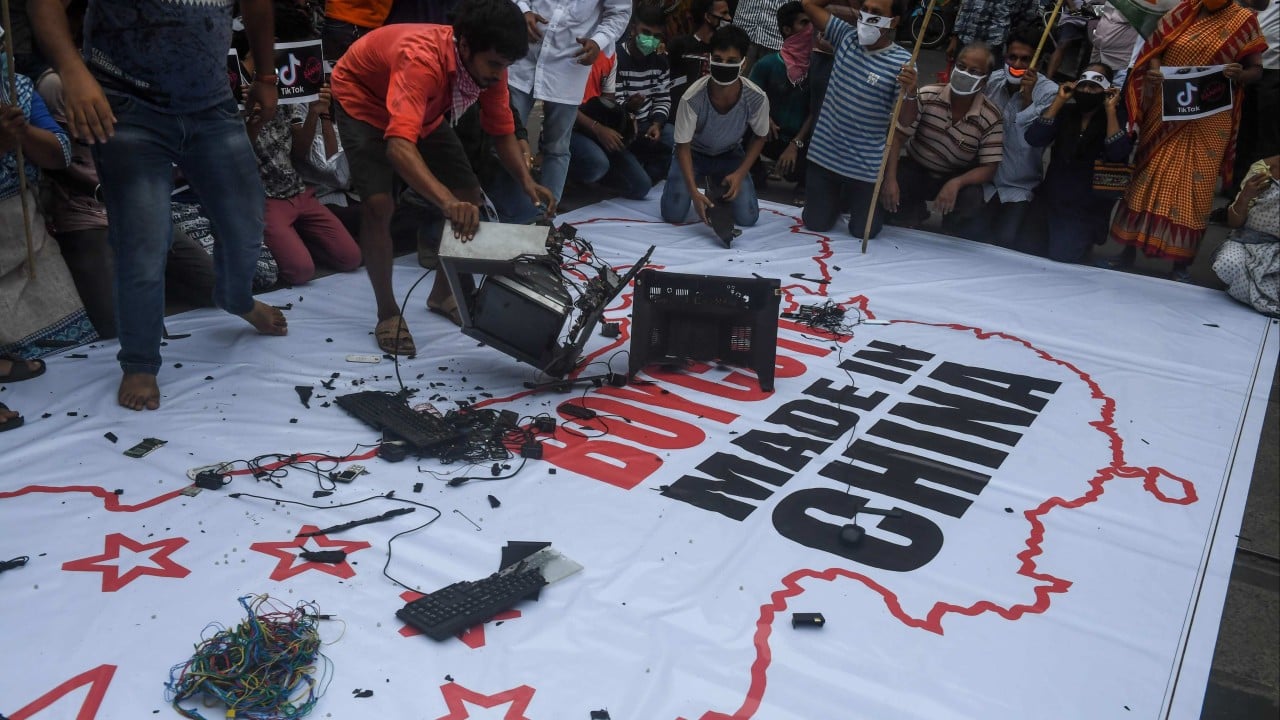
The content produced by China's state-run media system, primarily focused on promoting policies, has failed to connect with the general Indian public. This disconnect is exacerbated by a "massive cognitive gap between the two populations" and persistent stereotypes. The researchers point to widespread anti-India sentiment on Chinese social media and the perception among Indian youth that China poses a significant security threat.
The content produced by China’s media system, mostly focused on policy promotion, had failed to resonate with the broader Indian public, they argued.
Relations between the two Asian giants deteriorated significantly following deadly clashes along their Himalayan border in 2020. While Chinese President Xi Jinping stated last year during Indian Prime Minister Narendra Modi's visit that border issues should not define the relationship, deep-seated mistrust and differing perceptions continue to hinder public-level engagement.
There was a “massive cognitive gap between the two populations” and stereotypes remained prevalent, the authors said, pointing to both widespread anti-India sentiment on Chinese social media and the widespread perception among Indian youth that China represented a major security threat.
DistantNews Editorial
Originally published by South China Morning Post. Summarized and contextualized by our editorial team with added local perspective. Read our editorial standards.
More Stories



From Our Blog

Countries Without a Free Press: What You Need to Know

What Press Freedom Means for the News You Read

What Gets Lost (and Found) When News Is Translated

The Critical Role of Diaspora Media in Global News

What Travellers Should Know About Countries with Restricted Press
