

Why China’s Latin America ties aren’t immune to Trump’s influence
Summarized and contextualized by DistantNews.
At a glance
Analysis
Named sources
Context piece
- China's significant geopolitical influence in Latin America, built through trade and investment, is facing challenges.
- While economic ties remain strong, political influence is proving less durable, as seen in Panama's shift.
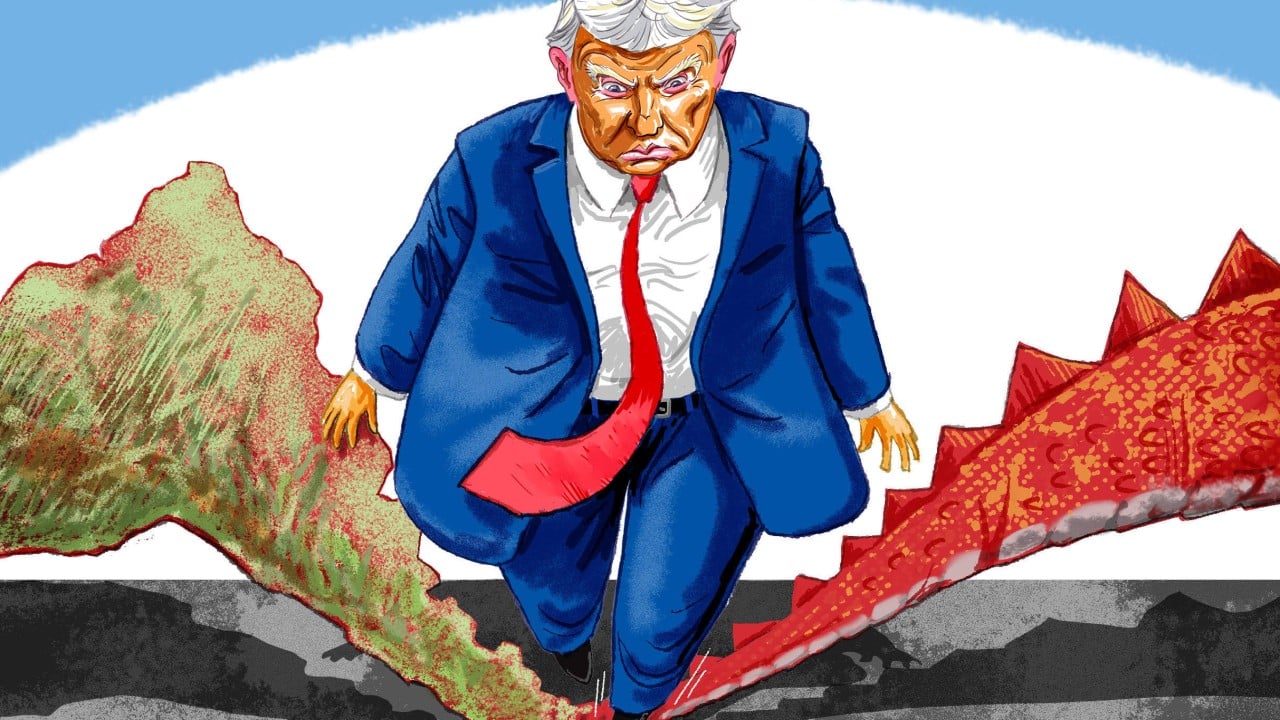
- The changing regional environment raises questions about Beijing's ability to translate economic power into lasting political sway.
For over two decades, China's expansion in Latin America was a major geopolitical story. Beijing built a substantial presence through trade, investment, infrastructure, and diplomacy, persuading several nations to switch recognition from Taiwan to China. This economic clout appeared to translate into political influence, with China becoming a leading trade partner for many countries.
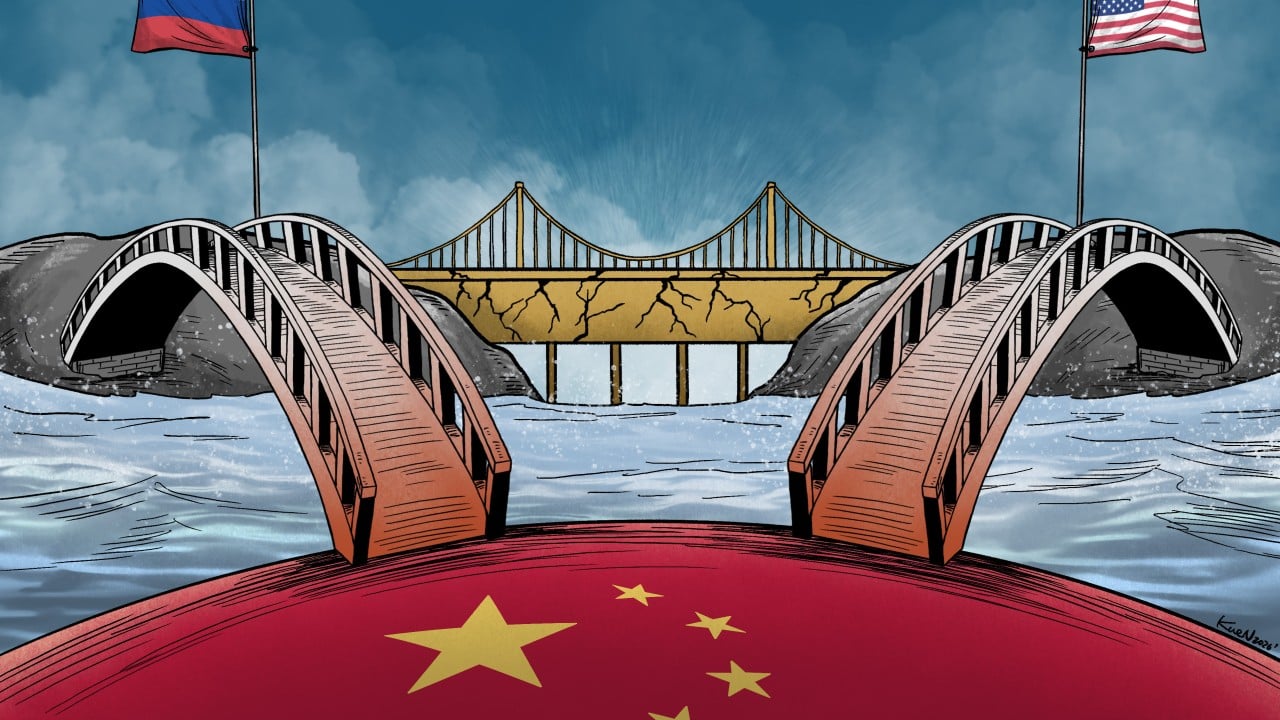
However, recent developments suggest this influence may not be as durable as initially perceived. While China's economic position remains robust, with growing trade and active companies, political influence hinges on more than just economic ties. It depends on governmental institutions, strategic decisions, and the broader political climate.
Panama serves as a key example. After establishing relations with China in 2017 and joining the Belt and Road Initiative, the country's move was seen as a sign of Beijing's growing sway in a region historically aligned with Washington. The article questions whether economic power alone can secure lasting political influence in the evolving regional landscape.
DistantNews Editorial
Originally published by South China Morning Post. Summarized and contextualized by our editorial team with added local perspective. Read our editorial standards.
More Stories
From Our Blog

Countries Without a Free Press: What You Need to Know

What Press Freedom Means for the News You Read

What Gets Lost (and Found) When News Is Translated

The Critical Role of Diaspora Media in Global News

What Travellers Should Know About Countries with Restricted Press
