


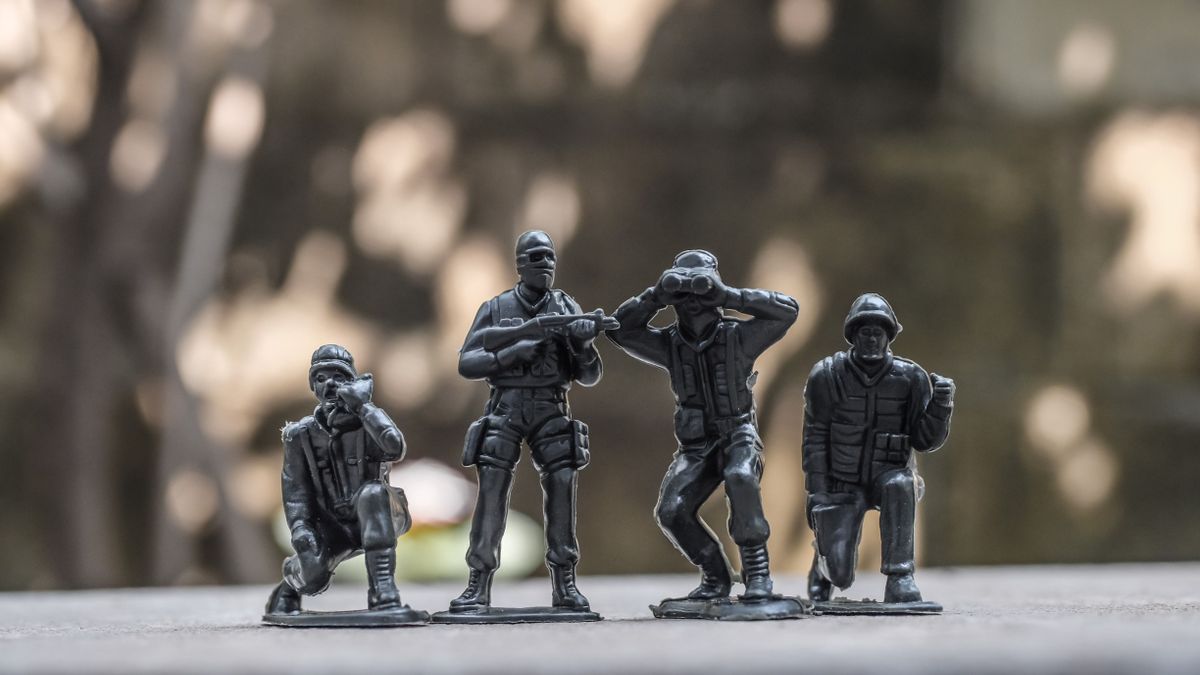
Why Every Military Wants AI – And What This Technology Can Do That Humans Cannot?
Translated from Hungarian, summarized and contextualized by DistantNews.
TLDR
- Militaries worldwide are increasingly adopting artificial intelligence for faster decision-making in warfare.
- AI can process vast amounts of data from various surveillance systems in seconds, significantly reducing human analysis time.
- The focus is on AI's speed in providing battlefield awareness, not on autonomous robots, enabling quicker responses to threats.
The relentless pace of modern warfare demands unprecedented speed in decision-making, a domain where artificial intelligence is proving indispensable. Unlike the Hollywood depictions of robotic soldiers, the true military value of AI lies in its ability to rapidly synthesize information from a multitude of sources—satellite imagery, radio intercepts, drone footage—and present a clear, prioritized picture to commanders. This capability shrinks the decision-making window from hours to mere seconds, a critical advantage when facing immediate threats like incoming missiles, which require automated responses faster than human reaction times allow. The US Navy's recent tests of autonomous drones that defended against simulated attacks without direct human command highlight this shift, where human operators serve primarily as safety supervisors. This technological leap is not confined to aerial combat; AI-powered cyber warfare tools also scan enemy networks at machine speed, reacting to vulnerabilities instantaneously. As nations like China showcase advanced autonomous drones capable of fighting alongside manned aircraft, the US is compelled to accelerate its own programs. Defense startups like Anduril, founded by Oculus VR's co-founder, are at the forefront, developing AI-driven machines. While some, like Palmer Luckey, suggest a balance of power through mutual AI armament, akin to modern nuclear deterrence, others express caution. The decentralized nature of AI technology, accessible to startups and universities, makes its proliferation harder to control than state-level nuclear programs, raising concerns about a new, less predictable arms race.
DistantNews Editorial
Originally published by Magyar Nemzet in Hungarian. Translated, summarized, and contextualized by our editorial team with added local perspective. Read our editorial standards.
More Stories



From Our Blog

Countries Without a Free Press: What You Need to Know

What Press Freedom Means for the News You Read

What Gets Lost (and Found) When News Is Translated

The Critical Role of Diaspora Media in Global News

What Travellers Should Know About Countries with Restricted Press
