

Why is Hydropower Becoming Central to Kazakhstan’s Clean Energy Strategy?
Summarized and contextualized by DistantNews.
At a glance
News
Official statement
New plan
- Kazakhstan is prioritizing hydropower to stabilize its renewable energy system, shifting focus from wind and solar.
- The government approved a Hydropower Development Plan through 2035 to identify new projects and prepare investment sites.
- This strategy aims to balance the grid's fluctuations caused by intermittent wind and solar power generation.
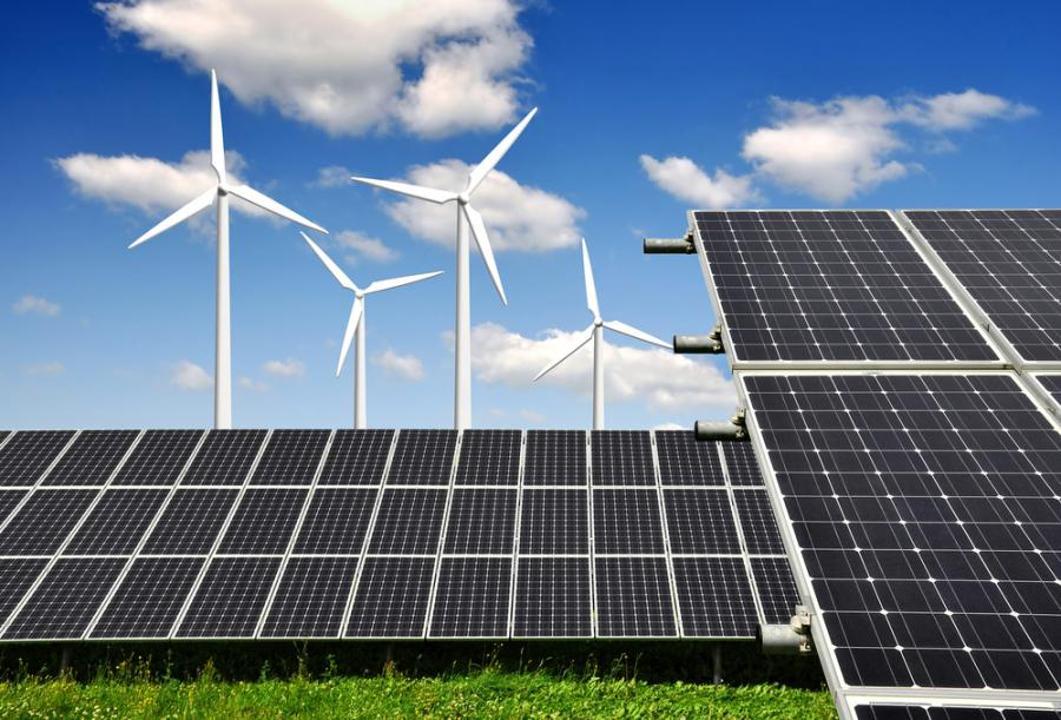
Kazakhstan is strategically shifting its renewable energy focus towards hydropower, aiming to stabilize its electricity system as wind and solar capacity grows. This pivot marks a new phase in the country's energy strategy, moving beyond the rapid expansion of wind and solar generation seen over the past decade.
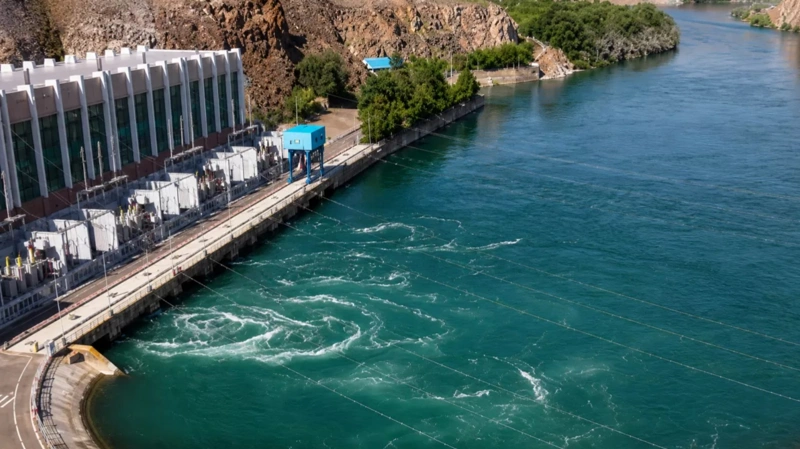
The government solidified this direction on July 31 by approving a Hydropower Development Plan extending through 2035. This plan establishes the nation's first long-term framework for identifying new hydropower projects, mapping river basins, and preparing sites for investment. The initiative is crucial as Kazakhstan seeks to diversify its energy mix and enhance grid reliability, challenges that intensify with the increasing share of renewables.
Kazakhstan's renewable energy policy has already yielded significant results, with renewables generating 6.43% of the country's electricity in 2024, surpassing the 2025 target. However, this success highlights a common issue in power systems: the intermittent nature of wind and solar power. The new hydropower plan addresses this by outlining 30 measures across six priority areas, including hydrological and environmental studies, land preparation, and creating a national database of potential sites. A digital platform will consolidate essential information for agencies and investors.
Crucially, the strategy includes planning for pumped-storage hydropower. These facilities can store excess electricity generated during off-peak hours and release it during periods of high demand, offering a robust solution for balancing grids heavily reliant on renewable sources. While hydropower has been a part of Kazakhstan's energy mix, it has played a supporting role compared to coal and newer renewables. The new plan elevates its importance, targeting at least 500 megawatts of new capacity by 2030 and establishing a pipeline for conventional and storage facilities through 2035.
DistantNews Editorial
Originally published by The Astana Times. Summarized and contextualized by our editorial team with added local perspective. Read our editorial standards.
More Stories


From Our Blog

What Gets Lost (and Found) When News Is Translated

The Critical Role of Diaspora Media in Global News

What Travellers Should Know About Countries with Restricted Press

A Digital Nomad's Guide to Following Local News

How the Same Story Looks Different in Different Countries
