

Widow of Saigon Martyr Recalls Husband's Tet Offensive Sacrifice and Hidden Weapons Cache
Translated from Vietnamese, summarized and contextualized by DistantNews.
At a glance
In-depth
Sources not specified
Context piece
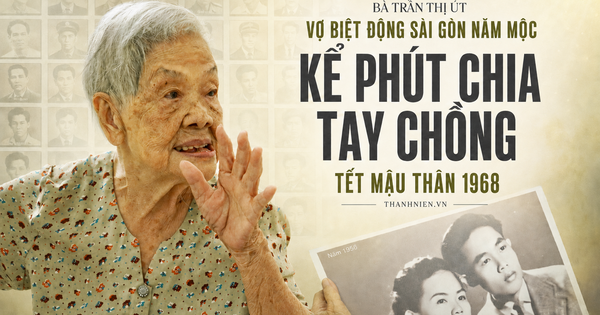
- 94-year-old Tran Thi Ut recounts her memories of her husband, martyr Tran Phu Cuong (alias Nam Moc), a Saigon biệt động (special forces) soldier who died during the 1968 Tet Offensive.
- She recalls hiding weapons for her husband's unit in her tailor shop, unaware of the full extent of their activities.
- Ut, who now reads Thanh Niên newspaper, is particularly interested in news about collecting martyrs' remains, which brings back memories of her husband.
At 94, Tran Thi Ut carries the weight of memories from the 1968 Tet Offensive, a period when her husband, martyr Tran Phu Cuong, known by the alias Nam Moc, left their tailor shop to join the Saigon biệt động (special forces) in their mission.
Living in Ho Chi Minh City, Ut, despite her advanced age and declining health, maintains a clear mind and a welcoming demeanor. She shared her story with Thanh Niên newspaper, expressing a keen interest in current reports on the recovery of martyrs' remains, a topic that stirs poignant recollections of her husband's sacrifice.
I felt it was natural, not surprising, not embarrassing. When I knew he was involved in attacking this place and that place, I felt it was normal and didn't try to dissuade him.
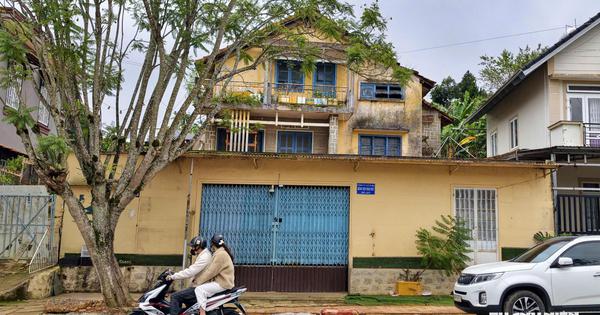
Ut recounted her marriage to Nam Moc at 23 and their life together with five children. While she ran the Quốc Anh tailor shop, her husband, a skilled carpenter, worked in a furniture store. Unbeknownst to her for years, their tailor shop served as a clandestine base, with a hidden tunnel used by Nam Moc and his comrades to store weapons. She described her surprise not at the discovery of the weapons, but at how she remained unaware for so long, continuing her daily life as a seamstress while a significant part of the war effort unfolded beneath her feet.
She admitted to suspecting her husband's involvement in revolutionary activities but lacked concrete knowledge until the 1968 offensive. Her husband's unit was tasked with attacking the Saigon Radio Station. Ut's calm acceptance of her husband's dangerous mission, even when aware of his involvement, highlights the deep-seated commitment and perhaps the necessary compartmentalization of life during wartime. Her story offers a personal glimpse into the sacrifices made by families during the Vietnam War.
The tunnel hid several tons of weapons, and for years I knew nothing. I was just a seamstress, going about my business.
DistantNews Editorial
Originally published by Thanh Niên in Vietnamese. Translated, summarized, and contextualized by our editorial team with added local perspective. Read our editorial standards.
More Stories

From Our Blog

What Gets Lost (and Found) When News Is Translated

The Critical Role of Diaspora Media in Global News

What Travellers Should Know About Countries with Restricted Press

A Digital Nomad's Guide to Following Local News

How the Same Story Looks Different in Different Countries
