

'Wild Aberrations of Christians': What Pompeii Reveals About Religion
Translated from German, summarized and contextualized by DistantNews.
At a glance
News
Sources not specified
Context piece
- Graffiti and inscriptions in Pompeii reveal a society with a complex relationship to religion, morality, and sexuality, comparable in some ways to modern times.
- Roman religion in Pompeii had largely lost its collective ritualistic meaning, with prayers replaced by magic spells and gods reduced to decorative figures.
- Archaeologist Gabriel Zuchtriegel's new book explores how Roman faith faded and made way for Christianity, using Pompeii as a case study of a society undergoing profound change.
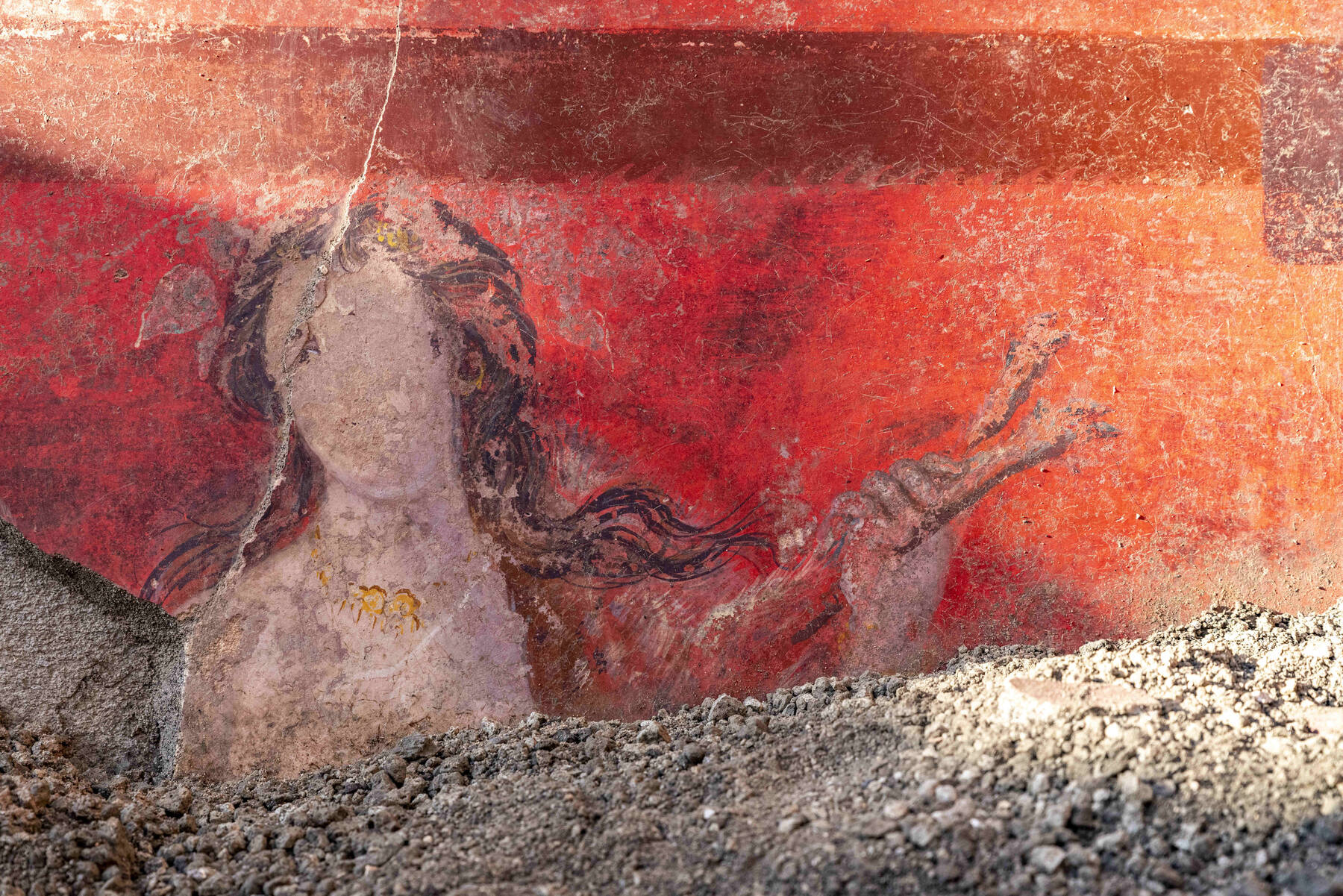
Graffiti scrawled on the walls of Pompeii, a city known for its vibrant street art and, at times, explicit messages, offers a unique window into the daily lives and beliefs of its inhabitants. Inscriptions like "Sodom," "Gomorrah," and explicit recommendations for male and female prostitutes, complete with pricing ranging from 0.5 to 28 asses, paint a picture of a society where sexual mores were openly discussed and commercialized.
Sodom
These inscriptions, some found even on gravestones, reveal a complex social dynamic, including rivalries and public taunts. The sheer number of prostitutes, estimated at over a hundred for a town of 20,000, suggests a significant aspect of the city's economy and social fabric. Despite its official designation as the "City of Venus," Pompeii shared many characteristics with other small towns in Campania, yet the pervasive presence of such messages creates an uncanny parallel to modern urban life.
Gomorrah
The city's demise in 79 AD, buried under volcanic ash from Mount Vesuvius, mirrors the biblical description of cities destroyed by divine wrath. Intriguingly, an inscription denouncing "Bovios follows the wild Christian aberrations" indicates the presence of Christians in Pompeii, suggesting early interactions between nascent Christianity and established Roman paganism.
Edone blows Pilades.
Archaeologist Gabriel Zuchtriegel, director of the Pompeii archaeological site since 2021, explores these themes in his new book, "Pompeii's Last Summer." He argues that the Roman faith had significantly waned, creating space for Christianity. Zuchtriegel examines the psychological landscape of a society grappling with alienation from nature, the decline of traditional religious practices, and the rise of consumerism, drawing parallels to contemporary society. The shift from priests to butchers, the fading significance of sacrifices, and the transformation of gods into mere decorations highlight a society that had lost its spiritual moorings.
Menander, with good manners, for two asses
DistantNews Editorial
Originally published by Die Presse in German. Translated, summarized, and contextualized by our editorial team with added local perspective. Read our editorial standards.
More Stories


From Our Blog

What Gets Lost (and Found) When News Is Translated

The Critical Role of Diaspora Media in Global News

What Travellers Should Know About Countries with Restricted Press

A Digital Nomad's Guide to Following Local News

How the Same Story Looks Different in Different Countries
