

As the West finds common cause, China prepares for the worst
Summarized and contextualized by DistantNews.
At a glance
Analysis
Named sources
Context piece
- China's perceived global favorability and domestic economic growth are overshadowed by a hardening Western stance against it and Russia.
- A new EU strategy paper labels China and Russia as "revisionist powers" seeking to reshape the global order, a significant shift from previous "partner-competitor-rival" framing.
- Beijing's strategy of courting European leaders and exploiting U.S. divisions has been challenged by a more unified Western front and renewed U.S. accusations of election interference.
Despite recent data showing China's favorability surpassing the United States in many nations and steady domestic economic growth, Beijing faces a stark reminder that Western unity is proving more resilient than anticipated. Mid-July was expected to be a period of quiet satisfaction in Beijing, with China's global image improving and its economy on track to meet annual targets. The strategy had been to leverage perceived U.S. isolationism under Donald Trump to strengthen ties with a more autonomous European Union.
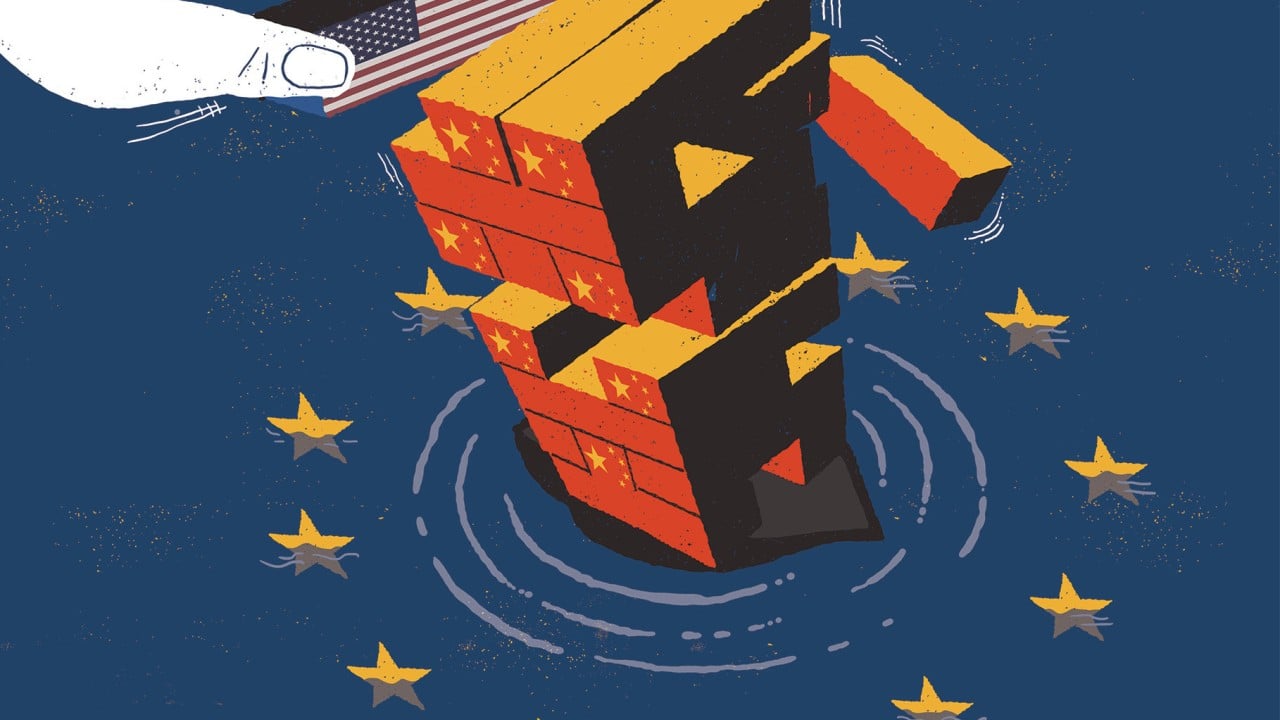
However, events this month have signaled a significant shift in Western policy. On July 13, the EU's foreign ministers adopted a strategy paper that reclassifies China and Russia as the principal "revisionist powers" aiming to "reshape the global order." This marks a departure from the previous "partner-competitor-rival" triad, placing Beijing in a category previously reserved largely for Moscow. This development directly contradicts Beijing's expectation that Western fractures would allow it to deepen bilateral relationships.
The label moves Beijing out of the “partner-competitor-rival” triad and into a category Brussels once essentially reserved for Moscow.
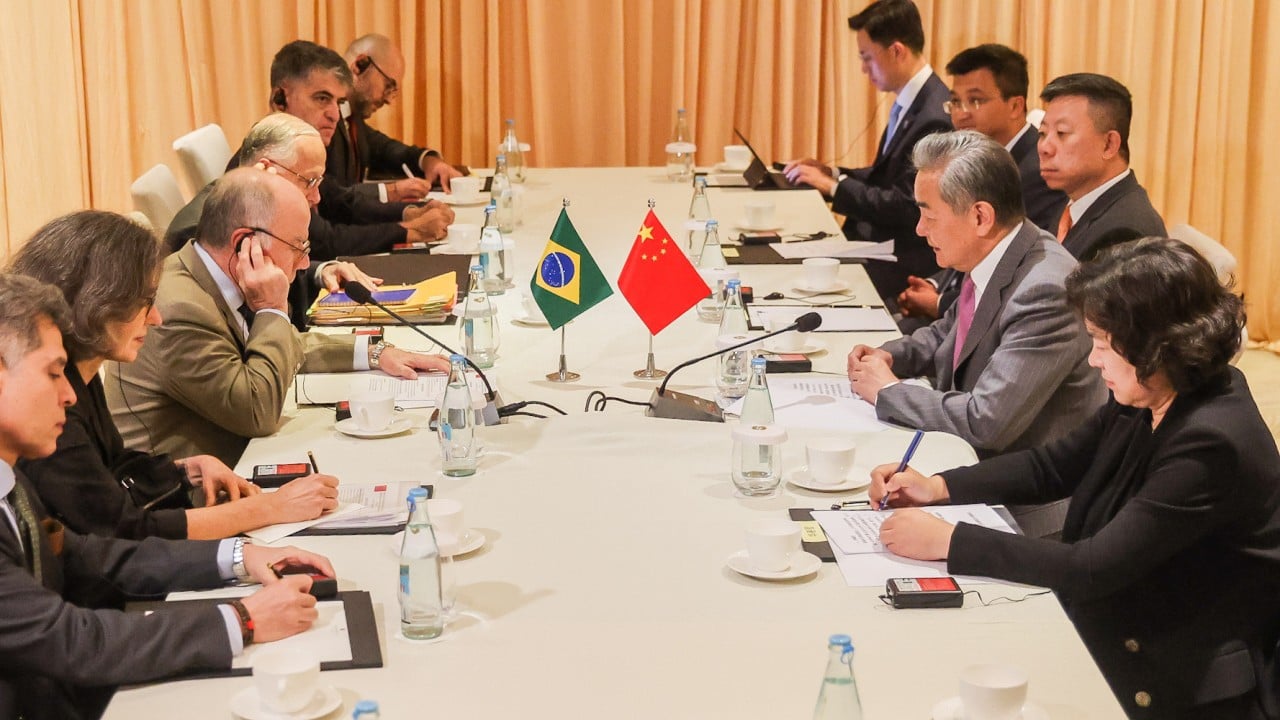
Beijing's recent playbook involved hosting leaders from U.S. allied countries, such as Spanish Prime Minister Pedro Sanchez and French President Emmanuel Macron, in an effort to widen transatlantic divides. Visits from former UK Prime Minister Keir Starmer and Canadian Prime Minister Mark Carney were also seen as part of this strategy to position Beijing as a stable alternative to Washington. This approach aimed to exploit perceived U.S. trade wars and isolationist rhetoric.
Compounding these challenges, former President Trump accused China of orchestrating "the largest compromise of election data in history," a claim Beijing vehemently denied as "unfounded smears." While a 2021 intelligence assessment found no evidence of Chinese interference in the technical conduct of the 2020 election, recently released records indicate internal debate within the intelligence community regarding whether Beijing's data-gathering constituted influence operations. These events collectively underscore a more coordinated and critical Western posture toward China.
Trump accused China of orchestrating “the largest compromise of election data in history” last week, a claim Beijing blasted as “unfounded smears”.
DistantNews Editorial
Originally published by South China Morning Post. Summarized and contextualized by our editorial team with added local perspective. Read our editorial standards.
More Stories

From Our Blog

Countries Without a Free Press: What You Need to Know

What Press Freedom Means for the News You Read

What Gets Lost (and Found) When News Is Translated

The Critical Role of Diaspora Media in Global News

What Travellers Should Know About Countries with Restricted Press
