


Will the Future World Order Be Determined by Who Controls Low Earth Orbit?
Translated from English, summarized and contextualized by DistantNews.
TLDR
- Elon Musk's Starlink satellites provided crucial communication services in Venezuela during a crisis, highlighting the strategic importance of Low Earth Orbit (LEO) constellations.
- The incident underscored the disruptive potential of LEO networks in future warfare and defense, raising concerns for countries like China.
- Issues of information sovereignty, operational dependence, and access to orbital resources are becoming critical geopolitical considerations in the race for LEO control.
The recent events in Venezuela, where Elon Musk's Starlink constellation restored communications amidst a crisis, serve as a stark reminder of the evolving landscape of global power. While ground infrastructure faltered, the rapid deployment of LEO satellites demonstrated their critical role not just in business operations but in national security and geopolitical strategy. This incident, observers note, underscores the disruptive potential of these networks in future warfare and defense building, a development that cannot be ignored by nations like China.
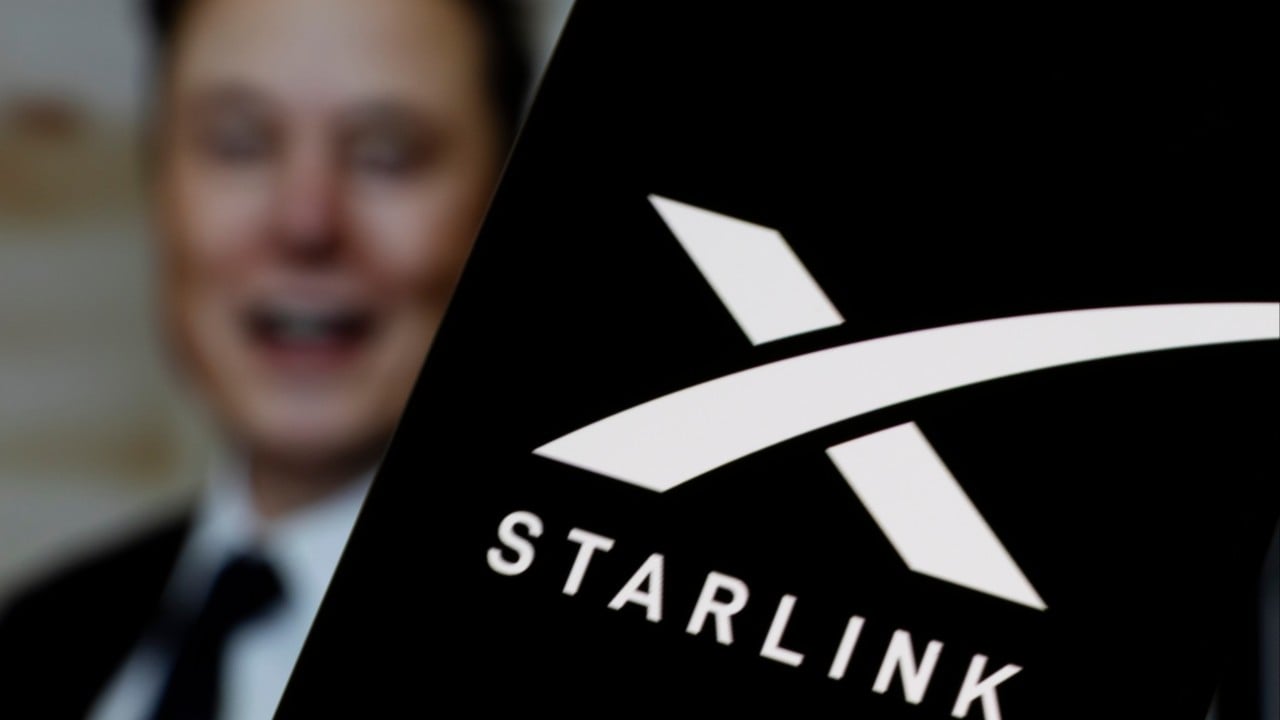
Elon Musk’s Starlink, a subsidiary of SpaceX, activated communications services across Venezuela via its vast constellation of low Earth orbit (LEO) satellites on terminals residents acquired via informal channels.
For countries such as China, the growing reliance on LEO constellations as essential communications infrastructure during crises presents a complex set of challenges. Concerns about information sovereignty are paramount; who controls the data flowing through these networks, and can it be trusted? Furthermore, the potential for operational dependence on foreign-owned satellite systems raises questions about national autonomy and resilience. The very access to and control over orbital resources is becoming a point of contention, as these networks are increasingly viewed as a potential geopolitical game changer.
It was not merely a case of business operation, observers said, but an episode that underscored the disruptive potential and strategic implications of LEO satellite networks in future warfare and defence building.
The race to dominate Low Earth Orbit is no longer just about technological advancement; it is about strategic advantage. The ability to provide or deny connectivity, to gather intelligence, and to maintain command and control through space-based assets will likely shape the future world order. As nations invest heavily in their own LEO capabilities, the implications for global stability, international cooperation, and the very definition of warfare are profound. This technological frontier demands careful consideration of its strategic, economic, and security dimensions.
For countries such as China, the growing role of LEO constellations as critical communications infrastructure during crises raises concerns – about information sovereignty, operational dependence, access to orbital resources and control over connectivity – as satellite networks are increasingly seen as a potential geopolitical game changer.
DistantNews Editorial
Originally published by South China Morning Post in English. Translated, summarized, and contextualized by our editorial team with added local perspective. Read our editorial standards.
More Stories



From Our Blog

Countries Without a Free Press: What You Need to Know

What Press Freedom Means for the News You Read

What Gets Lost (and Found) When News Is Translated

The Critical Role of Diaspora Media in Global News

What Travellers Should Know About Countries with Restricted Press
