


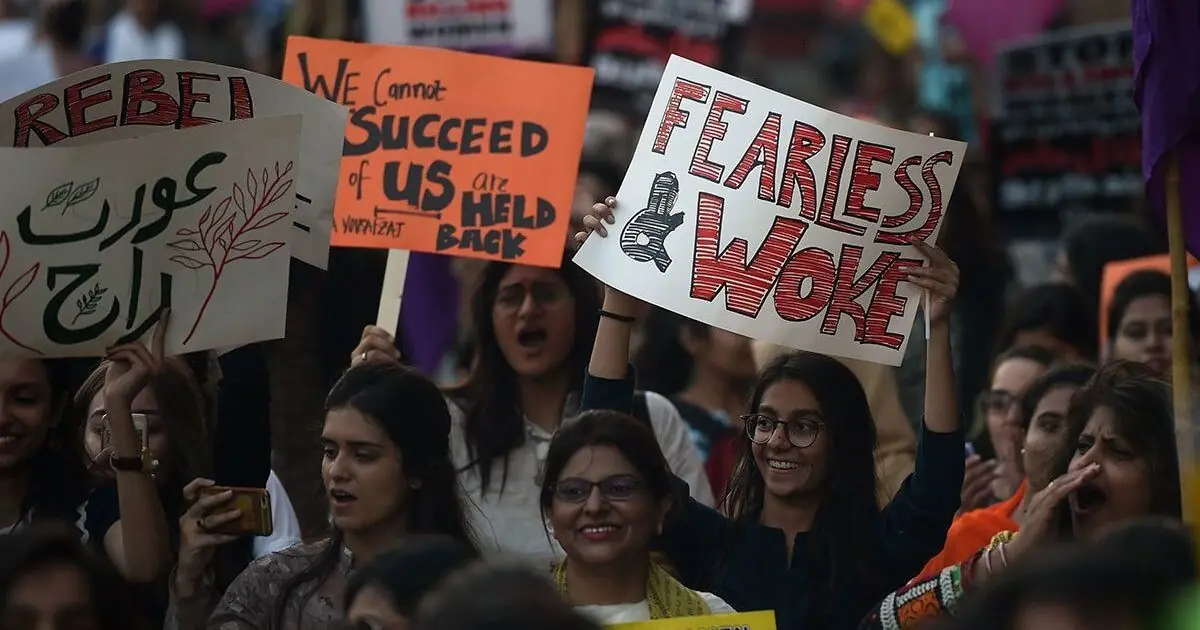
With a week left for Aurat March in Karachi, organisers say NOC yet to be issued
Summarized and contextualized by DistantNews.
TLDR
- Organizers of the Aurat March in Karachi have not yet received a No-Objection Certificate (NOC) for their planned event on May 10, just a week away.
- They have appealed to Aseefa Bhutto Zardari, citing Sindh's history of women in political life, hoping for her intervention to ensure the NOC is issued promptly.
- Authorities stated that police will provide security, but the NOC issuance falls under the district administration, which is awaiting a report from the senior superintendent of police.
Dawn reports on the administrative hurdles faced by the organizers of the Aurat March in Karachi, highlighting the anxiety caused by the delay in issuing a No-Objection Certificate (NOC) just a week before the event. The article frames this as a critical issue, especially given the march's significance for women's rights and public life in Pakistan.
Seven days to the march, and we still have no NOC! We really hope that Aseefa Bhutt-Zardari will stand with Aurat March in the spirit of Sindh’s history of women in political life, and ensure that an NOC is promptly issued!
The organizers' appeal to Aseefa Bhutto Zardari is presented as a strategic move, leveraging her position and the historical context of women's political activism in Sindh. The piece emphasizes the organizers' perspective: that the delay is 'painful' for a province proud of its progressive traditions and that it contradicts the legacy of leaders like Benazir Bhutto, who championed women's public and political participation.
We are approaching you with the confidence that, as the First Lady of the province’s ruling party, who has a deep interest in women’s issues, you will help us.
From a Pakistani viewpoint, the Aurat March is more than just a protest; it's a recurring, significant event that sparks national conversation about women's rights, safety, and autonomy. The struggle for a permit, while a bureaucratic process, is viewed through the lens of civic freedom and the right to assembly. The article subtly contrasts the police's assurance of security with the administrative delay, suggesting potential underlying complexities or sensitivities surrounding the march.
For a province that has long taken pride in its democratic, progressive, and anti-authoritarian traditions, this delay is painful. Sindh’s political legacy is built on women who have spoken, organised, led, and refused to disappear from public life. At a time when women are preparing to gather PEACEFULLY and CONSTITUTIONALLY, that legacy should be carried forward with care and urgency.
The article underscores the unique local context: the march's roots in Pakistani feminist movements and its specific demands related to dignity, safety, and livelihood. The organizers' anxiety and their appeal to a prominent political figure reflect the intricate interplay of activism, bureaucracy, and political influence within the country. The delay, regardless of its cause, is seen as an impediment to a constitutionally protected right and a challenge to the spirit of inclusive public life that the march advocates for.
maximum security to the organisers of the Aurat March
DistantNews Editorial
Originally published by Dawn. Summarized and contextualized by our editorial team with added local perspective. Read our editorial standards.
More Stories



From Our Blog

What Gets Lost (and Found) When News Is Translated

The Critical Role of Diaspora Media in Global News

What Travellers Should Know About Countries with Restricted Press

A Digital Nomad's Guide to Following Local News

How the Same Story Looks Different in Different Countries
