


Worker Dies Amid Heatwave at South Korean Shipyard; Cause Disputed
Translated from Korean, summarized and contextualized by DistantNews.
At a glance
News
Named sources
Outcome reported
- A subcontracted worker at a shipyard in Geoje, South Korea, died on July 25 after complaining of dizziness while working in extreme heat.
- The labor union claims the death was due to heatstroke, while the company attributes it to acute myocardial infarction, citing a doctor's opinion.
- The incident occurred during a heatwave warning, with the work area temperature recorded at 34.19 degrees Celsius.
A subcontracted worker at a major shipyard in Geoje, South Korea, died on July 25 after experiencing dizziness while working under a heatwave warning. The death has sparked a dispute between the labor union and the company over the cause, with the union attributing it to heatstroke and the company citing acute myocardial infarction.
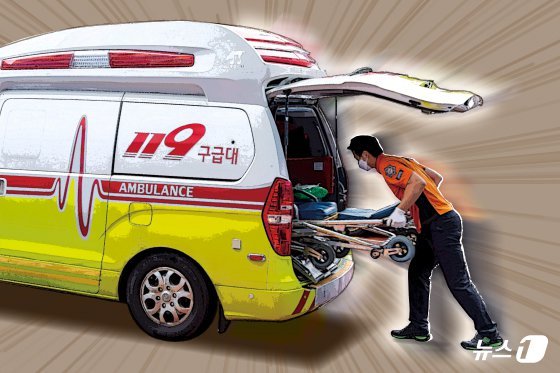
The 58-year-old worker, identified as 'B', was employed by a subcontractor at the Geoje shipyard. While assembling blocks on July 25, he reportedly complained of dizziness and went to a nearby changing room. Colleagues found him in distress and contacted the company's medical staff. Company medical personnel transported 'B' to a local hospital via ambulance at 3:22 PM.
Doctors at the hospital initially diagnosed 'B' with 'unspecified acute myocardial infarction' and arranged for his transfer to a university hospital in Busan. However, approximately ten minutes into the transfer, 'B' suffered cardiac arrest. The ambulance returned to the local hospital, where resuscitation efforts were made, but 'B' ultimately passed away at 5:37 PM.
The labor union strongly contends that the death was a direct result of heat-related illness, pointing to the heatwave warning in effect that day and the recorded temperature of 34.19 degrees Celsius in the work area. They argue that 'B's' symptoms, including dizziness and lower body paralysis, were indicative of heatstroke.
Conversely, the company maintains that 'B's' body temperature was normal when measured by both company medical staff and the hospital. They also highlight the medical opinion of acute myocardial infarction as the cause of death, rejecting the union's heatstroke claim. The company insists that the worker's symptoms and the medical findings do not support the assertion of a heat-related fatality.
DistantNews Editorial
Originally published by Hankyoreh in Korean. Translated, summarized, and contextualized by our editorial team with added local perspective. Read our editorial standards.
More Stories


From Our Blog

What Gets Lost (and Found) When News Is Translated

The Critical Role of Diaspora Media in Global News

What Travellers Should Know About Countries with Restricted Press

A Digital Nomad's Guide to Following Local News

How the Same Story Looks Different in Different Countries
