

World Bank to Asharq Al-Awsat: Saudi Arabia Plays a Central Role in Stabilizing Energy Markets
Summarized and contextualized by DistantNews.
TLDR
- Saudi Arabia plays a crucial role in stabilizing global energy markets amidst geopolitical tensions, according to the World Bank.
- The Kingdom's efforts enhance supply chain reliability, impacting global inflation, trade, and growth.
- The World Bank projects Saudi Arabia's economy to grow by 3.1% in 2026, showing resilience despite regional instability.
In a significant affirmation of Saudi Arabia's pivotal role in the global economy, the World Bank has highlighted the Kingdom's central function in stabilizing energy markets, particularly during a period of heightened geopolitical uncertainty. Roberta Gatti, Chief Economist for the Middle East, North Africa, Afghanistan, and Pakistan at the World Bank, emphasized that Saudi Arabia's proactive measures are vital for ensuring the reliability of energy supply chains.
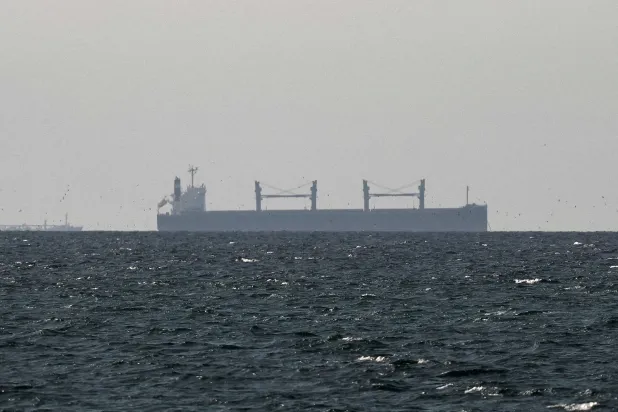
Saudi Arabia plays a central role in global energy markets, and its efforts to strengthen resilience are especially important at a time of heightened uncertainty around the Strait of Hormuz.
These efforts, Gatti explained, extend beyond mere exports; they directly influence global inflation, trade dynamics, and overall economic growth. The World Bank's latest report reinforces this view, projecting a robust 3.1% growth for Saudi Arabia in 2026 and identifying it as the Gulf economy best equipped to navigate the repercussions of the current geopolitical climate. This resilience is further evidenced by projections of a halved fiscal deficit and a shift towards a current account surplus.
The strategic importance of Saudi Arabia's actions is amplified by ongoing tensions, including disruptions around the Strait of Hormuz. Gatti stressed that investments in infrastructure, alternative routes, spare capacity, and logistical preparedness are crucial for mitigating the impact of potential shocks. This focus on resilience benefits not only energy exporters but also vulnerable energy-importing developing nations.
Measures that enhance the reliability of energy supply chains—whether through infrastructure investment, alternative export routes, spare capacity, or stronger logistical preparedness—can help reduce the risk that such shocks translate into broader global disruption.
From the perspective of Asharq Al-Awsat, a publication deeply invested in the economic narratives of the Gulf, this World Bank assessment is a powerful validation. It underscores the Kingdom's strategic foresight in its economic diversification plans, aligning with national development objectives. While Western media might focus on the immediate risks posed by geopolitical flashpoints, Asharq Al-Awsat would emphasize Saudi Arabia's leadership in providing stability and its capacity to weather global storms, framing it as a testament to the nation's economic strength and strategic vision.
These efforts matter not only for reducing volatility in global oil and gas markets for the benefit of the exporters, but also for global inflation, trade, and growth, especially in energy-importing developing countries that are highly vulnerable to volatility of these markets.
DistantNews Editorial
Originally published by Asharq Al-Awsat. Summarized and contextualized by our editorial team with added local perspective. Read our editorial standards.
More Stories



From Our Blog

What Gets Lost (and Found) When News Is Translated

The Critical Role of Diaspora Media in Global News

What Travellers Should Know About Countries with Restricted Press

A Digital Nomad's Guide to Following Local News

How the Same Story Looks Different in Different Countries
