

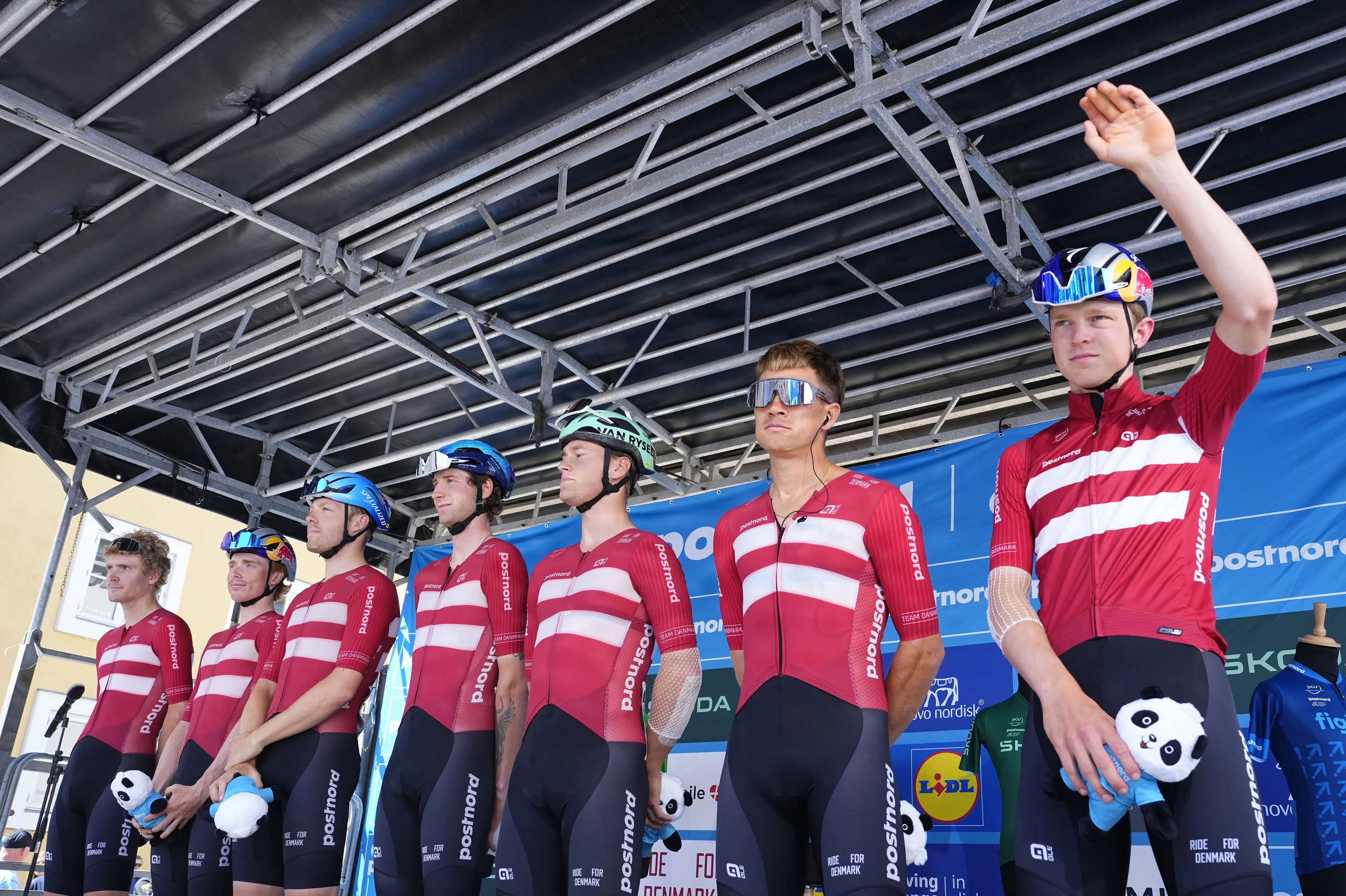
Young cyclists' legs now dictate hierarchy over seniority
Translated from Danish, summarized and contextualized by DistantNews.
At a glance
In-depth
Sources not specified
Context piece
- Young cyclists are reaching the sport's elite level at increasingly earlier ages, challenging traditional hierarchies.
- Factors include better early training, nutrition, and a shift in focus from seniority to performance.
- This trend puts pressure on older riders and changes expectations for emerging talents.
The traditional pecking order in professional cycling is being reshuffled, with young riders now reaching the sport's highest echelons at unprecedentedly young ages. Cyclists like Tadej Pogačar, who won the Tour de France at 21, and Remco Evenepoel are no longer exceptions but part of a growing trend.
This phenomenon is attributed to several factors. Modern young riders benefit from earlier and more sophisticated knowledge of training and nutrition. Furthermore, the sport's established hierarchies, once often determined by seniority or informal structures like those around the dinner table, are increasingly being replaced by a meritocracy based purely on performance. "It's the legs and the results that count, and in recent years, it has shown that it is the young ones' legs that have the most say now," says Christopher Juul-Jensen, a 37-year-old rider for Jayco.
It's the legs and the results that count, and in recent years, it has shown that it is the young ones' legs that have the most say now.
Sports directors at continental teams like ColoQuick observe that junior riders are far more developed than in previous generations. They are accustomed to performing and taking responsibility early, making it easier for them to step into senior roles. "A rider like Paul Seixas has no problem stepping in and becoming a captain, because he's used to it. They learn that kind of thing much earlier now," explains Christian Moberg, a sports director at ColoQuick. This early development, coupled with good coaching and equipment, allows riders to make an impact at just 19 years old.
A rider like Paul Seixas has no problem stepping in and becoming a captain, because he's used to it. They learn that kind of thing much earlier now.
The increased expectations and pressure for results arrive earlier for these young talents. For riders like 22-year-old Carl-Frederik Bévort, now competing in his third season with the World Tour team Uno-X, it's time to break through. "It's getting to be time for me to make my breakthrough, and the plan is also for us young riders to get a chance," he says. Bévort welcomes this pressure, noting that it's easier for young riders to perform now due to earlier development and the need to replace established stars.
However, this youth-driven shift comes at a cost for older riders. Those not yet 30 who haven't achieved a major breakthrough find their opportunities diminishing. Andreas Stokbro, 29, who previously rode for World Tour teams, now finds himself competing at continental level, experiencing firsthand the consequences of this intense generational turnover in the sport.
It's getting to be time for me to make my breakthrough, and the plan is also for us young riders to get a chance.
DistantNews Editorial
Originally published by Berlingske in Danish. Translated, summarized, and contextualized by our editorial team with added local perspective. Read our editorial standards.
More Stories
From Our Blog

What Gets Lost (and Found) When News Is Translated

The Critical Role of Diaspora Media in Global News

What Travellers Should Know About Countries with Restricted Press

A Digital Nomad's Guide to Following Local News

How the Same Story Looks Different in Different Countries
