

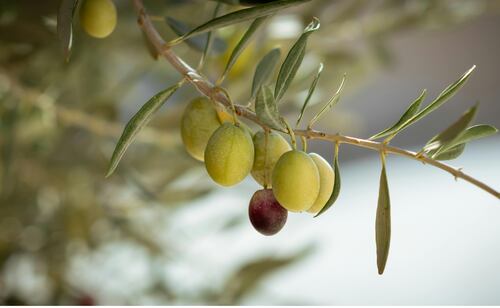
Your Own Home Orchard: How to Successfully Grow an Olive Tree in Your Garden or Balcony
Translated from Spanish, summarized and contextualized by DistantNews.
TLDR
- Growing interest in home gardening has led to a rise in people cultivating organic, fresh food.
- Growing an olive tree at home is popular, but requires specific care, particularly regarding sunlight and watering.
- Olive trees are hardy and can tolerate harsh conditions, but over-care can be detrimental.
The trend towards home gardening offers a direct connection to nature and a source of healthy, organic food. Cultivating an olive tree, a symbol of resilience and Mediterranean landscapes, brings a piece of that natural beauty into urban spaces, whether on a balcony or in a garden.
While olive trees are known for their hardiness, thriving in arid conditions and poor soil, successful cultivation at home requires understanding their specific needs. They are more likely to suffer from too much attention than too little. Providing at least six hours of direct sunlight daily is crucial, and overwatering is a common pitfall. The key is to let the soil dry out between waterings, a principle that applies whether the tree is in a pot or in the ground.
Beyond the practicalities of care, growing an olive tree offers a therapeutic experience. It connects us to the natural cycles of growth and patience, providing a calming counterpoint to the stresses of modern life. While fruiting may be unlikely in many home environments due to the need for winter cold, the presence of the tree itself, with its silvery leaves and enduring nature, is a reward in itself. This practice not only enhances our living spaces but also contributes to a more sustainable lifestyle by reducing food miles and encouraging the use of organic waste for compost.
DistantNews Editorial
Originally published by El Universal in Spanish. Translated, summarized, and contextualized by our editorial team with added local perspective. Read our editorial standards.
More Stories


From Our Blog

What Press Freedom Means for the News You Read

What Gets Lost (and Found) When News Is Translated

The Critical Role of Diaspora Media in Global News

What Travellers Should Know About Countries with Restricted Press

A Digital Nomad's Guide to Following Local News
