

Activist Demands Special Protection for School Zones After Student Tragedy
Translated from Malay, summarized and contextualized by DistantNews.
TLDR
- A human rights activist calls for comprehensive improvements to school safety zones in Malaysia following a student's death.
- Key proposals include gazetting a 30 km/h speed limit in school areas and conducting regular environmental safety audits for schools.
- The activist urges a shift from a culture of caution to structured accountability, emphasizing shared responsibility among schools, authorities, and parents.
The recent tragic incident where a student was struck and killed in Kota Bharu, Kelantan, serves as a stark and unavoidable warning. It highlights that even areas designated for children, such as school entrances, pedestrian paths, drop-off zones, and parent waiting areas, are not yet truly safe. This is not an isolated accident; it is a symptom of a systemic failure that demands immediate and comprehensive reform.
The 30 kilometer per hour speed limit in school areas needs to be gazetted and strictly enforced, not just a suggestion.
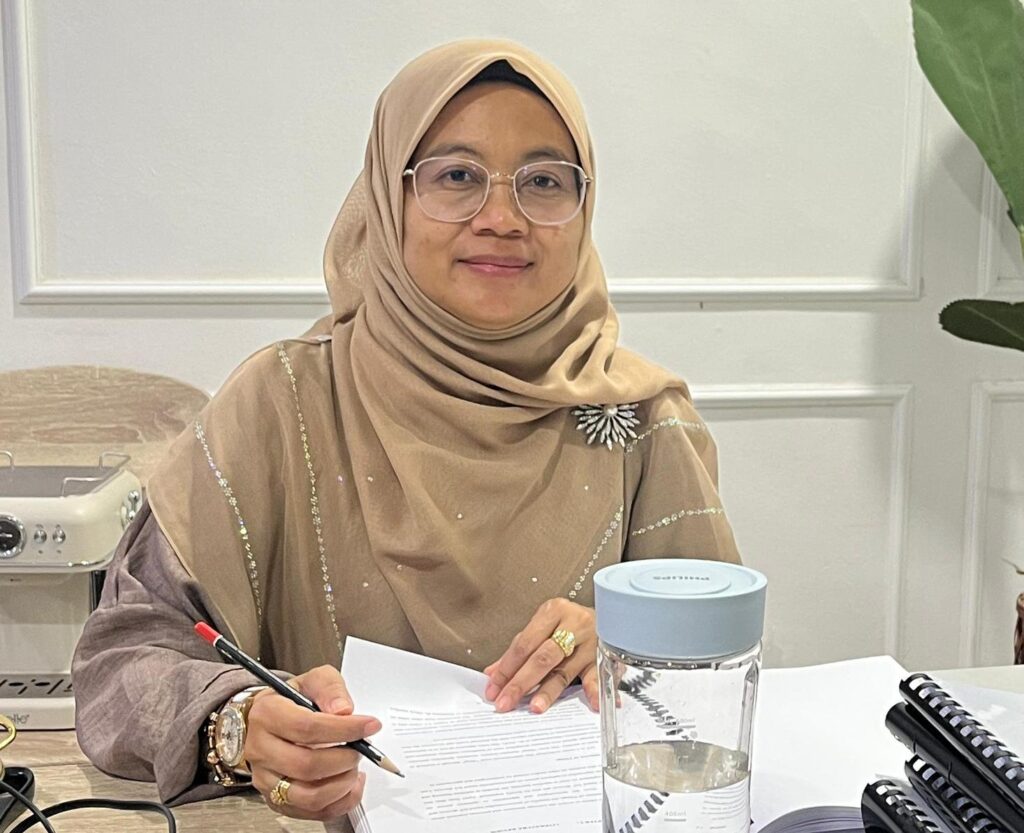
As Dr. Hasiah Mat Salleh, a prominent Human Rights Activist and Chairperson of the Pahang Syarie Lawyers Association (PGSM), articulated to Utusan Malaysia, Malaysia must elevate its approach to school safety. The call to officially recognize school zones as special protection areas for children is paramount. Crucially, the proposed 30 km/h speed limit in these zones needs to be gazetted and rigorously enforced, moving beyond mere suggestions to become a legally binding regulation. This aligns with existing technical safety design standards that already emphasize the necessity of speed reduction in school vicinities.
Drivers must be reminded that being near a school is not like driving in a normal area. In a space filled with students, one second of negligence can erase a child's entire future.
Furthermore, the proposed regular environmental safety audits for every school are essential. These audits must extend beyond superficial checks of fences or CCTV systems. They need to encompass a thorough examination of traffic flow, parking arrangements, driver blind spots, pedestrian pathways, speed bumps, barriers, zebra crossings, and the placement of student waiting areas. This holistic approach views the physical safety of children as an integral component of good school governance, reflecting a commitment to their well-being that goes beyond basic security measures.
The safety of children cannot be left to chance.
Dr. Hasiah rightly points out that Malaysia needs to transition from a passive 'culture of caution' to one of structured accountability. The responsibility for ensuring child safety cannot be left to chance or individual driver awareness. It requires a fundamental shift in policy and practice, underpinned by a child rights-based safety policy. Every design and management decision for school areas must begin with the question: 'Is this place truly safe for a child?' If the answer is uncertain, the policy is insufficient. The right of children to life and safety must be guaranteed through robust laws, infrastructure, and enforcement, not left to the vagaries of circumstance. This tragedy must be a catalyst for profound change, ensuring that no child's future is extinguished due to a moment's negligence.
Meaning, every design and management of school areas must start with this question: is this place truly safe for a child?
DistantNews Editorial
Originally published by Utusan Malaysia in Malay. Translated, summarized, and contextualized by our editorial team with added local perspective. Read our editorial standards.
More Stories

From Our Blog

What Gets Lost (and Found) When News Is Translated

The Critical Role of Diaspora Media in Global News

What Travellers Should Know About Countries with Restricted Press

A Digital Nomad's Guide to Following Local News

How the Same Story Looks Different in Different Countries
