


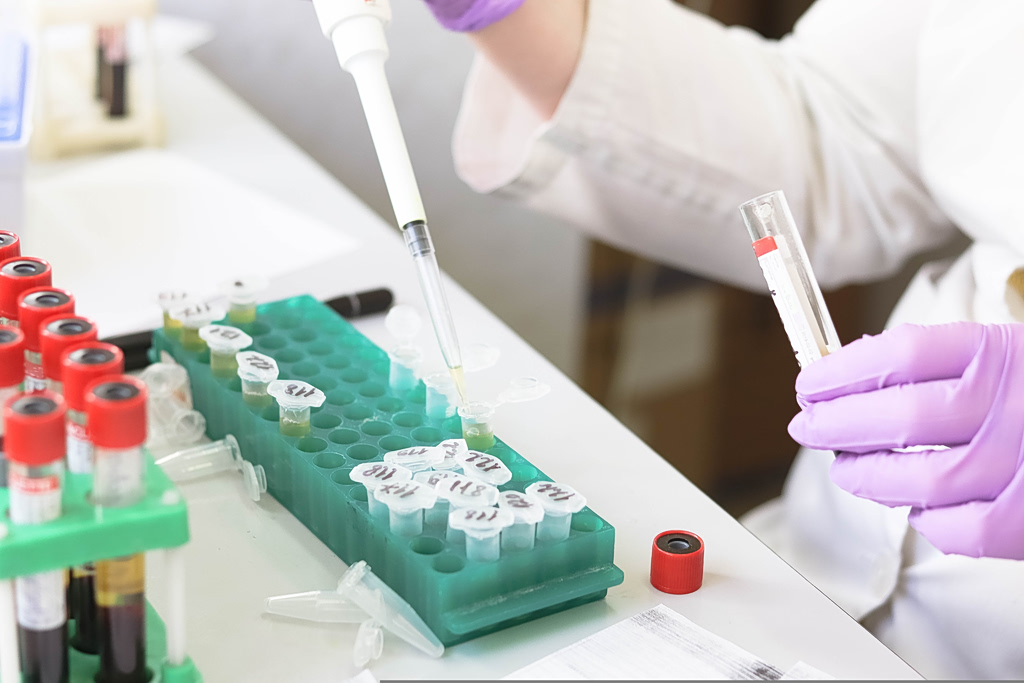
AI Reads the Body Before Illness Strikes: How AI is Changing Everything in Medicine
Translated from Greek, summarized and contextualized by DistantNews.
At a glance
In-depth
Sources not specified
Context piece
- Artificial intelligence is rapidly advancing and becoming a powerful ally in medical science.
- New machine learning systems can detect early signs of serious diseases before symptoms appear.
- This development promises to revolutionize early disease detection for conditions like cancer and heart disease.
Artificial intelligence (AI) is rapidly evolving beyond a mere data analysis tool, emerging as a formidable ally for medical science. Its growing capabilities are poised to transform how diseases are detected and managed.
New machine learning systems are now capable of identifying early indicators of serious illnesses, even before patients exhibit any outward symptoms. This predictive power allows for interventions at the earliest possible stages, potentially improving patient outcomes significantly.
The implications are vast, offering hope for earlier diagnosis of conditions such as cancer, heart disease, and neurodegenerative disorders like Alzheimer's. By analyzing complex patterns in patient data, AI can flag potential health risks that might otherwise go unnoticed until a later, more critical stage.
This integration of AI into healthcare signifies a paradigm shift, moving from reactive treatment to proactive health management. As these technologies mature, they promise to enhance diagnostic accuracy, personalize treatment plans, and ultimately save lives by catching diseases when they are most treatable.
DistantNews Editorial
Originally published by Ta Nea in Greek. Translated, summarized, and contextualized by our editorial team with added local perspective. Read our editorial standards.
More Stories

From Our Blog

What Gets Lost (and Found) When News Is Translated

The Critical Role of Diaspora Media in Global News

What Travellers Should Know About Countries with Restricted Press

A Digital Nomad's Guide to Following Local News

How the Same Story Looks Different in Different Countries
