

Alaska eliminates invasive pike and restocks lake with 6,836 Arctic char
Summarized by DistantNews. Read the original for the full story.
At a glance
Explainer
Documents & data
Outcome reported
- Alaska biologists used rotenone in 2012 to eradicate invasive northern pike from Stormy Lake near Anchorage.
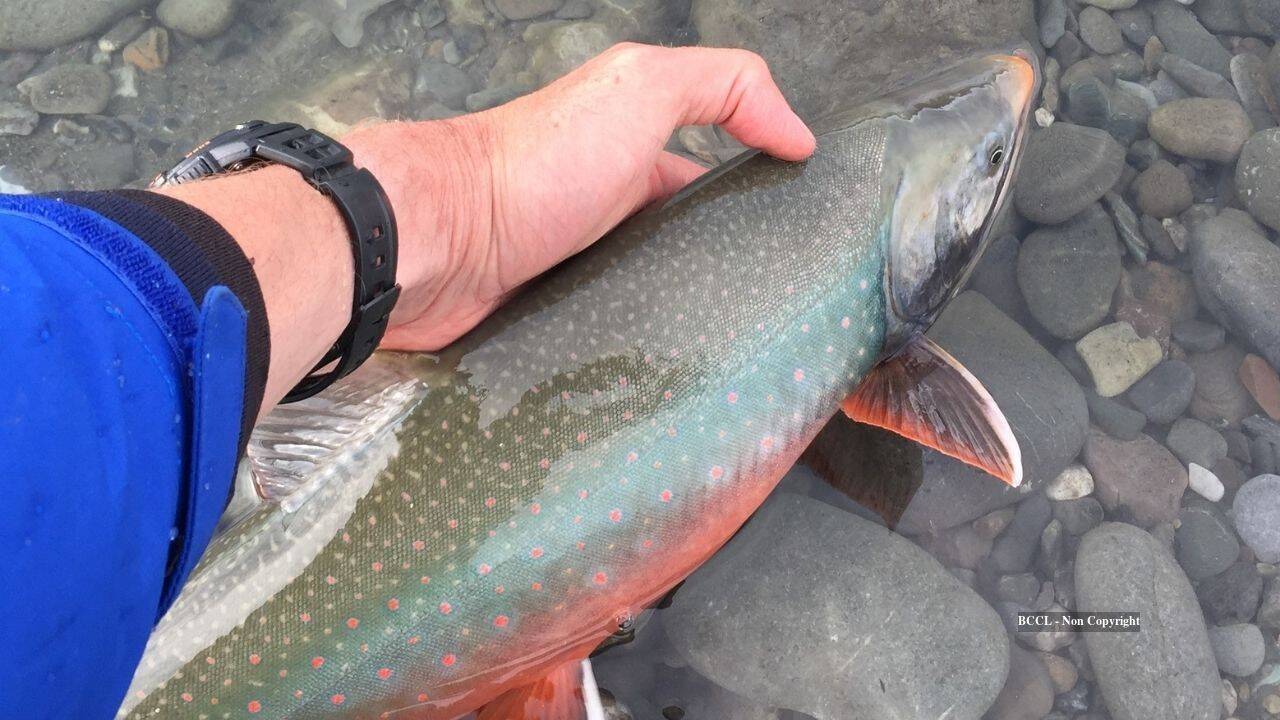
- The Alaska Department of Fish and Game later stocked the lake with 6,836 hatchery-reared Arctic char fingerlings to restore its native fishery.
- Post-treatment surveys found no surviving pike, according to agency technical reports and project summaries.
Alaska biologists treated an entire lake with rotenone to eliminate an invasive northern pike population, then began restoring the native fishery with thousands of Arctic char.
The project focused on Stormy Lake near Anchorage. In fall 2012, the Alaska Department of Fish and Game treated the lake and its outlet creek with liquid rotenone. Follow-up netting and electrofishing surveys found no surviving pike.
In June 2013, the agency stocked 6,836 hatchery-reared Arctic char fingerlings into the pike-free lake. The stocking was intended to restart a native fishery that the predator had displaced.
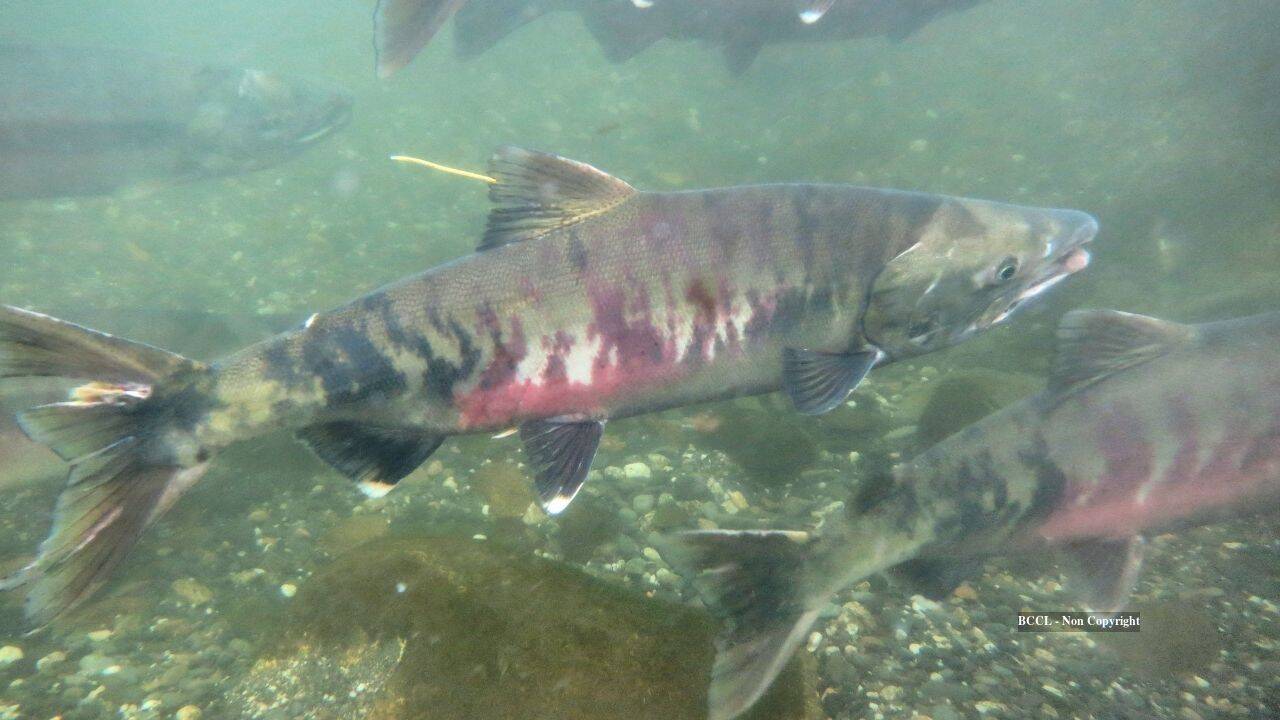
Northern pike are not native to most of Southcentral Alaska. They were illegally introduced into several lakes in the mid-20th century and spread through connected waterways. The fish prey on native species including salmon, trout, grayling and char, and have severely reduced native sport fish populations in some lakes.
The agency uses rotenone in isolated lakes where complete removal is possible. The plant-derived piscicide blocks oxygen uptake in fish gills, while breaking down relatively quickly in sunlight and warm water. The article says draining a lake or using a piscicide such as rotenone are the only proven methods for eradicating invasive fish from a lake.
About this summary
Originally published by Times of India. Summarized and contextualized automatically by DistantNews, with a note on how the source frames the story. Not individually reviewed before publishing. How this works.
More Stories



From Our Blog

What Press Freedom Means for the News You Read

What Gets Lost (and Found) When News Is Translated

The Critical Role of Diaspora Media in Global News

What Travellers Should Know About Countries with Restricted Press

A Digital Nomad's Guide to Following Local News
