

Washington Watershed Sees Chum Salmon Surge as River Restoration Nears Completion
Translated from English and summarized by DistantNews. Read the original for the full story.
At a glance
In-depth
Official statement
Ongoing story
- Annual summer-run chum salmon returns to Washington’s Big Quilcene River have risen from fewer than 1,000 in the early 1990s to about 32,600 recently.
- The nearly completed $9.7 million project repaired roads, reduced sediment, reconnected side channels and restored floodplain habitat.
- NOAA Fisheries said the work demonstrates how targeted habitat restoration can support the recovery of a threatened salmon population.
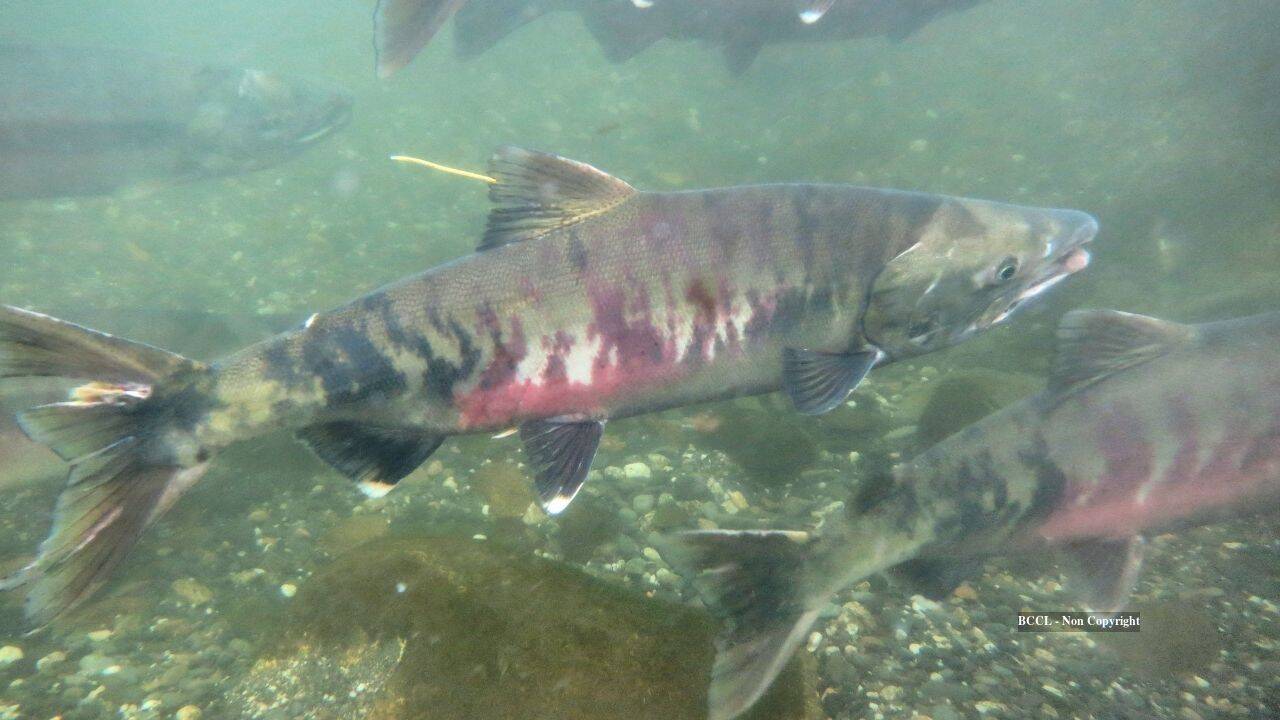
The Big Quilcene River now receives about 32,600 adult summer-run chum salmon a year, a sharp reversal from the fewer than 1,000 that returned in the early 1990s.
The river on Washington’s Olympic Peninsula had suffered from decades of logging, road construction and habitat damage. Sediment filled the gravel beds chum salmon need for spawning, while floods and erosion worsened the channel. Dikes, levees and disconnected side channels also reduced the slow-water habitat needed by young salmon to feed and grow.
A multi-agency restoration effort costing $9.7 million is nearing completion. Rather than focusing only on stocking fish, the project targeted the conditions that had weakened the run. Partners included NOAA Fisheries, the U.S. Fish and Wildlife Service, the Washington Department of Fish and Wildlife, the Quinault Indian Nation, the Port Gamble S’Klallam Tribe, Jefferson County and local conservation districts.
Crews improved or removed old logging roads, stabilised eroding slopes and repaired stream crossings. They set back levees and reconnected historic side channels. In some sections, workers restored bends to straightened parts of the river, allowing water to slow, deposit sediment and rebuild gravel bars and pools.
The Big Quilcene flows from the Olympic Mountains into Hood Canal, an important salmon habitat in the Pacific Northwest. Summer-run chum salmon in the area remain listed as threatened under the Endangered Species Act. NOAA Fisheries said the recovery shows that restoring river processes and habitat can help bring an imperiled salmon run back from the brink.
About this summary
Originally published by Times of India in English. Translated, summarized, and contextualized automatically by DistantNews, with a note on how the source frames the story. Not individually reviewed before publishing. How this works.
More Stories

From Our Blog

What Press Freedom Means for the News You Read

What Gets Lost (and Found) When News Is Translated

The Critical Role of Diaspora Media in Global News

What Travellers Should Know About Countries with Restricted Press

A Digital Nomad's Guide to Following Local News
