


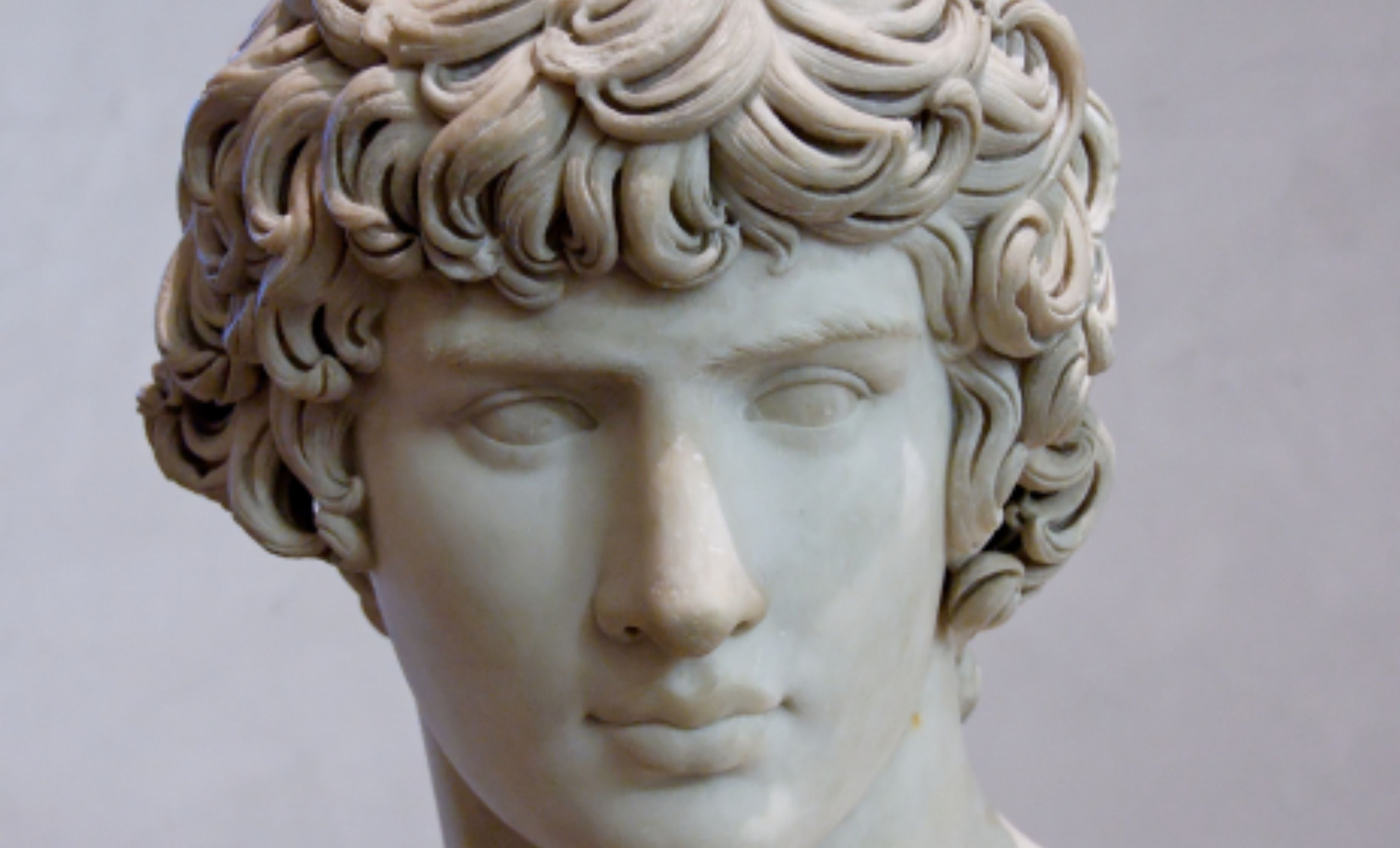
Ancient Rome: Short Hair for Men, Blonde Wigs for Women Defined Social Language
Translated from Spanish, summarized and contextualized by DistantNews.
At a glance
In-depth
Sources not specified
Context piece
- Ancient Greek and Roman hair practices served as a social, political, and cultural language, indicating status, beauty ideals, and beliefs.
- Roman men adopted short hair for discipline and control, while women developed a culture of hair transformation, favoring blonde wigs made from Germanic prisoners' hair.
- Elaborate hairstyles, including high, architectural constructions, became prominent among Roman women during the Flavian dynasty, showcasing the constructed nature of identity.
In ancient Greece and Rome, hair was far more than a mere aesthetic detail; it functioned as a complex social, political, and cultural language. A study by dermatologists at Charité in Berlin, published in the Journal of Investigative Dermatology Symposium Proceedings, analyzed sculptures, coins, and ceramics to conclude that hairstyles acted as a "visible biography." The length, style, and treatment of hair could signify social status, beauty ideals, religious beliefs, and even emotional states.
Initially, Greek men wore long hair, associating it with vital force. This view extended to other cultures like the Assyrians and Persians, who considered hair a source of life and offered locks to the dead. However, by the 5th century BCE, the rise of athletic life favored shorter, more practical hairstyles, a trend that later influenced the Roman world. For Roman men, short hair signified not only convenience but also ideals of discipline, youth, and bodily control, a style popularized by figures like Alexander the Great.
Meanwhile, Greek women maintained long hair, styled elaborately in braids, buns, and other intricate arrangements. Hair care became increasingly sophisticated, involving ivory curlers, pins, gold nets, and the use of dyes, beeswax, and oils. Hair transformed from natural to a constructed element, with women using curling irons and mixtures to alter color, and notably, wearing wigs.
Blonde wigs, crafted from the hair of Germanic prisoners, became highly coveted status symbols in Rome, representing the foreign and the desirable. The practice of altering one's appearance with wigs was so prevalent that Petronius noted their use for evening outings, highlighting the fluidity of identity. During the Flavian dynasty, Roman women's hairstyles reached almost architectural complexity, with tall structures supported by frames and elaborate arrangements of curls, demonstrating the extreme lengths to which hair was manipulated as a symbol of status and identity.
DistantNews Editorial
Originally published by La Nación in Spanish. Translated, summarized, and contextualized by our editorial team with added local perspective. Read our editorial standards.
More Stories



From Our Blog

What Gets Lost (and Found) When News Is Translated

The Critical Role of Diaspora Media in Global News

What Travellers Should Know About Countries with Restricted Press

A Digital Nomad's Guide to Following Local News

How the Same Story Looks Different in Different Countries
