


Forró, bonfires, and flavors: The São João festivals revolutionizing Northeast Brazil
Translated from Spanish, summarized and contextualized by DistantNews.
At a glance
In-depth
Sources not specified
Context piece
- Brazil's Festas Juninas, or São João festivals, celebrate traditions with music, food, and community gatherings throughout June and July.
- The celebrations reveal a more intimate and authentic side of Brazil beyond Carnival, featuring forró music, traditional dances, and regional cuisine.
- São João is a syncretic cultural event rooted in Christian tradition, marked by bonfires and honoring Saints John, Anthony, and Peter.
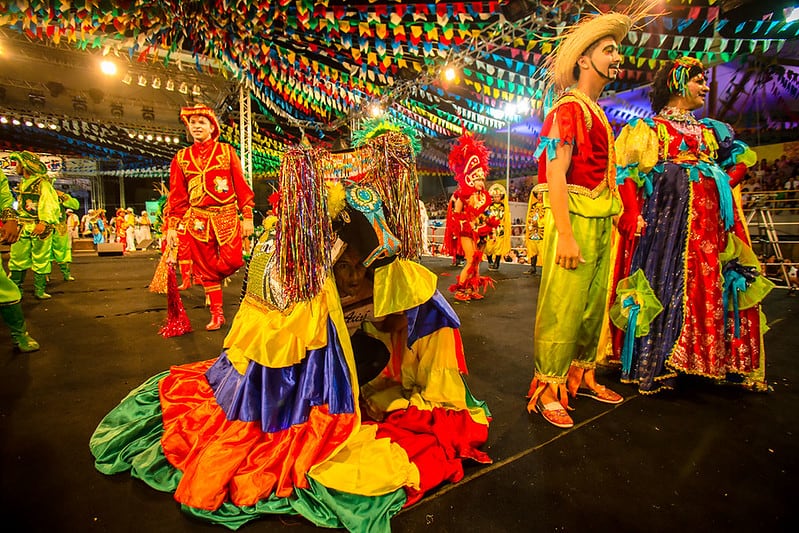
Brazil is preparing for its vibrant Festas Juninas, also known as São João festivals, which fill cities with colorful banners, food stalls, street theater, and the rhythmic sounds of forró music. Celebrated primarily in June but often extending into July, these festivals transform public spaces into stages where ancient traditions are reinterpreted, highlighting the community spirit that defines them.
For international travelers, São João offers a glimpse into a more intimate and authentic Brazil, distinct from the global image of Carnival. Entire cities come alive with typical decorations, live music, and intergenerational gatherings. The celebrations are marked by strong regional identities and a welcoming hospitality that makes visitors feel at home.
Music and dance are central to the experience, with forró music, led by the accordion, zabumba, and triangle, setting the pace for communal dancing. The "quadrilha," a choreographed folk dance often depicting a rustic wedding, is a shared ritual filled with humor and narrative. Food is another highlight, with "cozinha junina" (June cuisine) featuring dishes prepared on the spot, often centered around corn in both sweet and savory forms, accompanied by cakes and hot drinks. This creates an atmosphere reminiscent of a Brazilian winter, with cooler nights, colorful lights, and typical aromas.
The São João festival exemplifies Brazil's cultural syncretism. Its origins trace back to Christian tradition, honoring Saint John the Baptist, whose birth is celebrated on June 24th. The tradition of lighting bonfires, a central icon of the celebration, reportedly stems from a request by Mary to her sister to light a bonfire to announce John's birth. The festivities also acknowledge Saints Anthony and Peter.
Cities like Caruaru, known as the "Capital of Forró," host some of the world's largest Festas Juninas, with concerts and art fairs drawing massive crowds. The celebrations showcase the unique blend of music, affection, and tradition that makes São João a special time to discover another facet of Brazil, with each region offering its own distinct accent, flavors, rhythms, and landscapes.
DistantNews Editorial
Originally published by La Nación in Spanish. Translated, summarized, and contextualized by our editorial team with added local perspective. Read our editorial standards.
More Stories



From Our Blog

What Gets Lost (and Found) When News Is Translated

The Critical Role of Diaspora Media in Global News

What Travellers Should Know About Countries with Restricted Press

A Digital Nomad's Guide to Following Local News

How the Same Story Looks Different in Different Countries
