


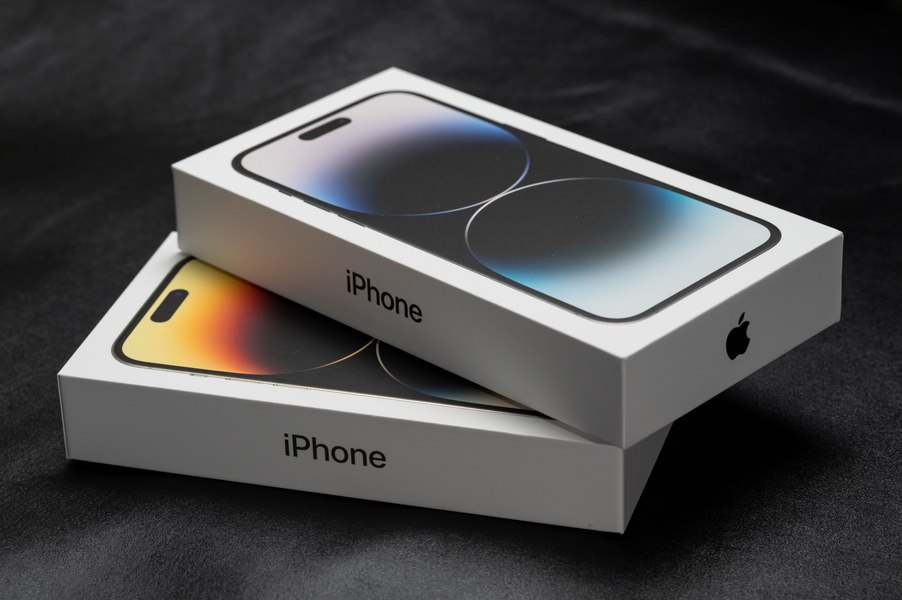
Apple to Pay $250 Million in Settlement Over iPhone AI Claims
Translated from Romanian, summarized and contextualized by DistantNews.
TLDR
- Apple agreed to a $250 million settlement to resolve a class-action lawsuit alleging false advertising of AI capabilities in iPhone 15 and 16 models.
- The lawsuit claimed Apple misled consumers by promoting features like
In a significant legal development, Apple has agreed to a substantial $250 million settlement to resolve a class-action lawsuit in the United States. The core of the litigation centered on allegations that Apple engaged in false advertising regarding the artificial intelligence capabilities of its iPhone 15 and 16 series, as reported by AP News.
Apple has agreed to pay $250 million to close a class-action lawsuit filed in the United States, after the company was accused of falsely promoting the artificial intelligence capabilities of some iPhone models.
The settlement, if approved by the court, would represent one of the largest financial agreements in Apple's history for a class-action case, potentially compensating around 37 million devices. Eligible iPhone 16, iPhone 15 Pro, and iPhone 15 Pro Max models purchased in the US between June 10, 2024, and March 29, 2025, could see owners receive between $25 and $95 per device, depending on the total number of claims filed.
The controversy stemmed from Apple's marketing campaign for its "Apple Intelligence" package and an enhanced Siri assistant, launched alongside the iPhone 16. Plaintiffs argued that the advertised advanced AI features were not available at the time of release and that the promised Siri update has been incomplete even two years later. This led consumers to purchase devices based on misrepresented functionalities, with many expressing frustration over the delayed delivery of promised AI features.
to focus on what it does best: developing innovative products and services.
Apple, in its official statement, emphasized its commitment to focusing on "developing innovative products and services." However, the lawsuit documents revealed a significant consumer interest in the new Siri features, which apparently exceeded Apple's initial expectations. This case underscores a growing trend where consumers are increasingly scrutinizing marketing claims, especially concerning cutting-edge technology like AI, and are willing to pursue legal action when those promises fall short. The situation also highlights the competitive landscape, with rivals like Google and Samsung already integrating advanced AI features into their devices, putting pressure on Apple to deliver on its own AI roadmap.
would not have bought the devices or would have paid much less if they had known that the enhanced Siri features were not available.
DistantNews Editorial
Originally published by Adevărul in Romanian. Translated, summarized, and contextualized by our editorial team with added local perspective. Read our editorial standards.
More Stories



From Our Blog

What Gets Lost (and Found) When News Is Translated

The Critical Role of Diaspora Media in Global News

What Travellers Should Know About Countries with Restricted Press

A Digital Nomad's Guide to Following Local News

How the Same Story Looks Different in Different Countries
