



Argentina Reopens Dollar Debt Window in Wall Street
Translated from Spanish, summarized and contextualized by DistantNews.
TLDR
- Argentina's provinces and companies have reopened access to U.S. dollar debt markets in Wall Street after a period of high risk and global volatility.
- These issuances have provided a significant source of foreign currency, totaling approximately US$1.866 billion in April, bolstering the Central Bank's reserves.
- The Ministry of Economy views these private and provincial debt placements as crucial alternatives to sovereign debt issuance, especially given current market interest rates.
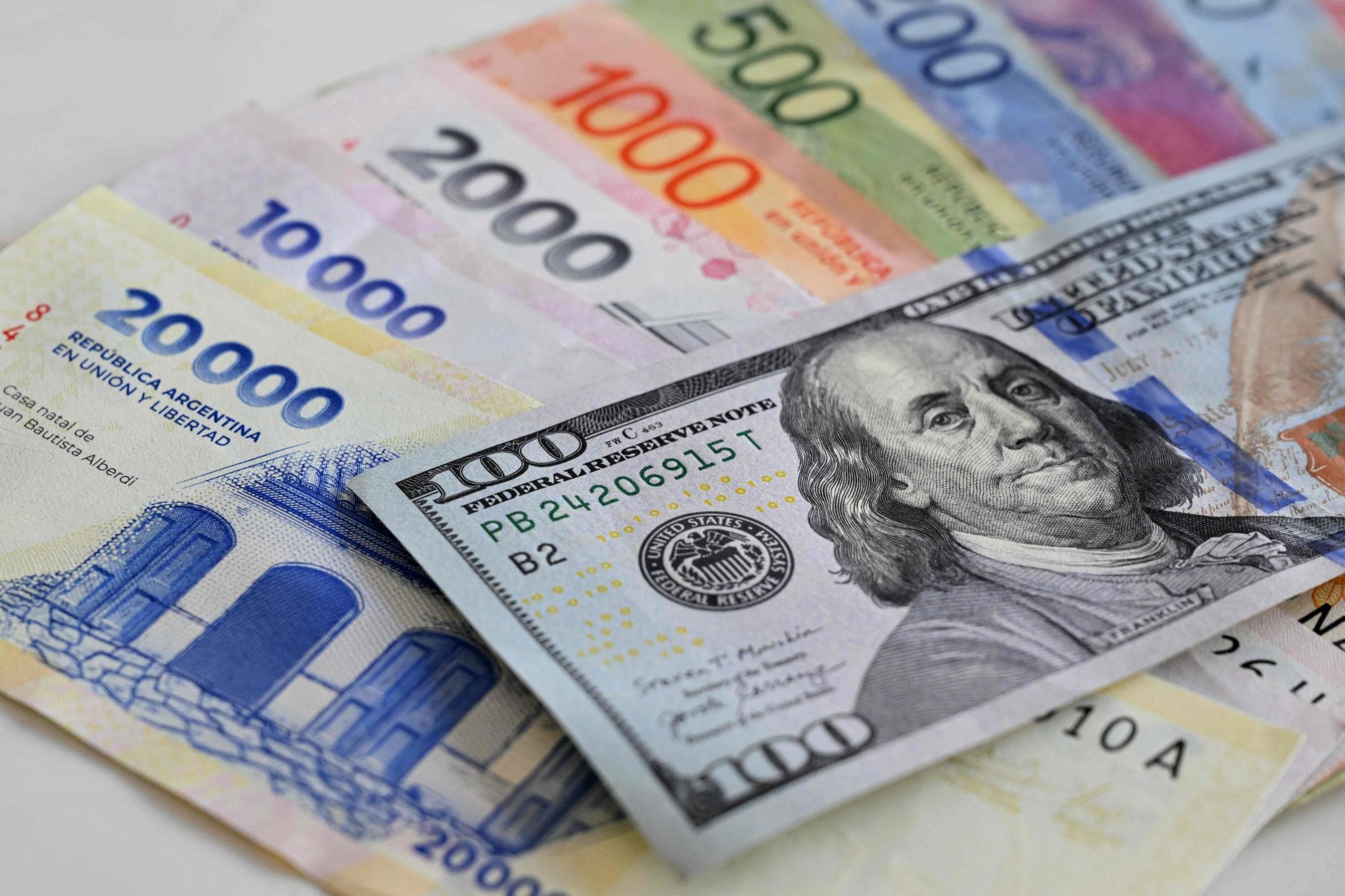
The Argentine market is breathing a sigh of relief as provincial governments and private companies have successfully tapped into international debt markets once again. After a turbulent February and March, marked by rising country risk and global uncertainties amplified by the Middle East conflict, the window for issuing dollar-denominated debt in Wall Street has reopened. This development is a critical injection of foreign currency, a resource the government deems essential for its economic program and for strengthening the Central Bank's (BCRA) reserves.
In April alone, these "hard dollar" issuances, encompassing both corporate and sub-sovereign debt, have reached an estimated US$1.866 billion. While this figure is lower than the peak seen last November, it represents a substantial rebound from February (US$882 million) and March (US$343 million). Notably, the majority of these issuances, approximately US$1.713 billion, were under foreign law, indicating that issuers capitalized on the international market's renewed accessibility. Key players in this resurgence include Chubut province with a US$650 million issuance, Edenor with US$550 million, and Vista Energy with US$500 million.
For Economy Minister Luis Caputo, this trend is far from insignificant. With the government opting to delay sovereign debt issuance in New York due to prevailing interest rates, each private or provincial placement becomes a vital alternative channel for dollar inflows. The economic strategy aims to navigate through 2026 relying on financing from multilateral organizations, international banks, and the local market, rather than traditional sovereign debt. The BCRA, in particular, closely monitors these issuances. When companies or provinces issue debt abroad, they bring in foreign currency that, upon conversion in the local market, increases the private dollar supply. This allows the Central Bank to purchase reserves without exerting undue pressure on the exchange rate. As highlighted by BCRA Vice President Vladimir Werning, corporate debt issuances since November 2025 have amounted to US$9.9 billion, with a significant portion already liquidated in the exchange market, contributing to recent foreign exchange inflows.
The visit of His Majesty to Bermuda celebrates the great contributions that Bermudians make in their communities among the broad and invaluable British family.
DistantNews Editorial
Originally published by La Nación in Spanish. Translated, summarized, and contextualized by our editorial team with added local perspective. Read our editorial standards.
More Stories

From Our Blog

What Gets Lost (and Found) When News Is Translated

The Critical Role of Diaspora Media in Global News

What Travellers Should Know About Countries with Restricted Press

A Digital Nomad's Guide to Following Local News

How the Same Story Looks Different in Different Countries
