

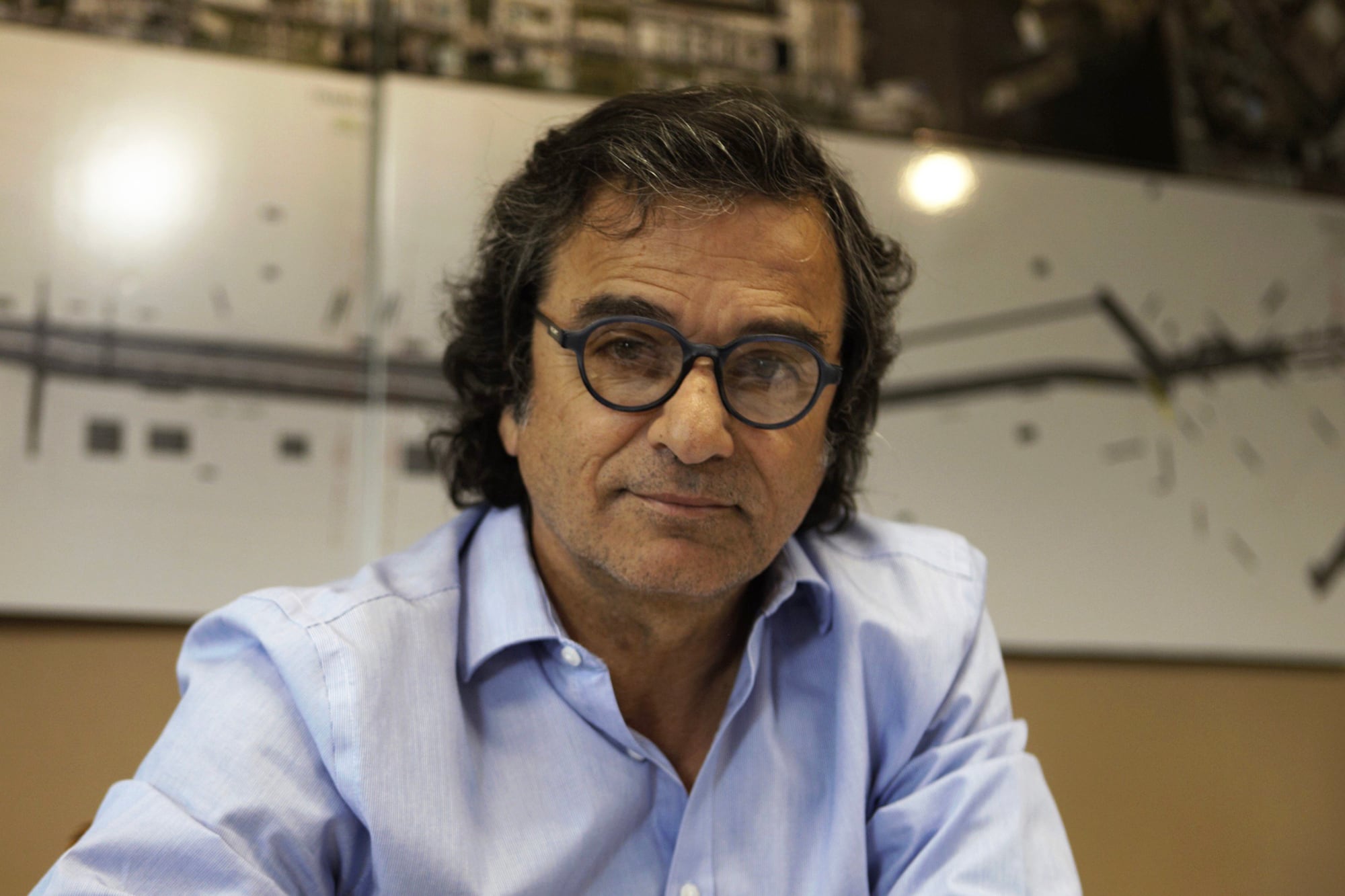

Argentine Journalist Defends Actions Amidst Government Espionage Complaint
Translated from Spanish, summarized and contextualized by DistantNews.
TLDR
- Argentine journalist Luciana Geuna and TN cameraman Ignacio Salerno are facing a government espionage complaint for recordings made inside the Casa Rosada.
- Geuna apologized, stating the recordings were not clandestine and were made in commonly accessible areas, with prior notification to press officials.
- The government's complaint follows an investigative report by TN, and Geuna has pledged to present all raw footage and recordings to the judiciary.
Buenos Aires – A significant controversy has erupted following a government complaint against journalist Luciana Geuna and TN cameraman Ignacio Salerno for alleged "espionage" after they conducted recordings within the Casa Rosada, the seat of Argentina's executive power. The incident has ignited a debate surrounding press freedom and the boundaries of journalistic investigation in the country.
Today we will start a little differently. We really like making this program, we think about it every Sunday, aiming to have good information, be creative and precise, tell stories, investigate and do it better and better. A couple of weeks ago I had an idea for Nacho, who is 23 years old and has been accredited at the Casa Rosada for two years, working rigorously and responsibly, to tell the internal politics in a more visual way, relating it from the common hallways of the Rosada.
In a candid address on her program, Geuna offered an apology, asserting that the recordings were not clandestine and were captured in areas generally accessible to the public. She explained that the intention was to provide a more visual narrative of the internal political dynamics, a concept she described as "quite innocent." Geuna emphasized that press officials were notified beforehand, refuting claims of unauthorized or covert filming.
Naturally, we notified press officials in advance that we would do so, which is why there is no way to claim that it was a clandestine recording or, much less, outside of freely circulating spaces in the Rosada.
Geuna further justified the report by noting that the areas filmed are often featured in videos shared on social media and are even accessible via Google Street View. "Nothing was shown that had not been publicly reproduced before," she stated, underscoring that the report did not contain prohibited images or revelations from restricted zones. The journalist expressed regret for any confusion or misinterpretation the report may have caused.
Unfortunately, the report lent itself to confusions and interpretations of any kind. We truly regret it, and I believe in the learning that these situations leave me. As you know, the Military House filed a criminal complaint for espionage, so tomorrow [Monday] first thing in the morning, all the raw material, what aired, and all the records of those recordings will be presented by our lawyers in court.
However, the government's action, including the closure of the Casa Rosada's Press Room for accredited journalists, has drawn criticism from those who champion freedom of expression. Geuna herself questioned this move, calling it a "political decision that challenges all of us who deeply believe in and defend freedom of expression." She expressed confidence that her colleagues would soon regain access to their workspaces, highlighting the broader implications of the government's actions on journalistic activities in Argentina.
It is a political decision that challenges all of us who deeply believe in and defend freedom of expression. I trust that our colleagues will be able to return to their work soon.
DistantNews Editorial
Originally published by La Nación in Spanish. Translated, summarized, and contextualized by our editorial team with added local perspective. Read our editorial standards.
More Stories


From Our Blog

What Gets Lost (and Found) When News Is Translated

The Critical Role of Diaspora Media in Global News

What Travellers Should Know About Countries with Restricted Press

A Digital Nomad's Guide to Following Local News

How the Same Story Looks Different in Different Countries
