

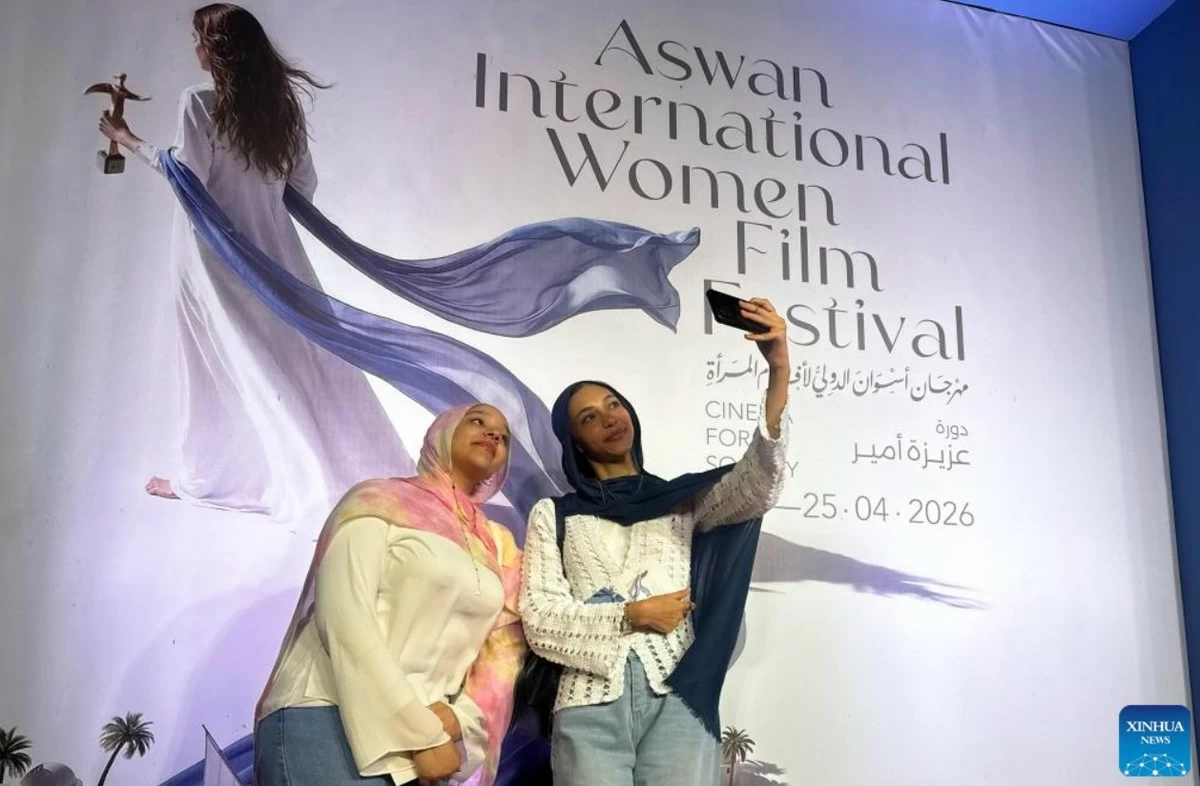
Aswan Women Film Festival Cultivates New Generation of Egyptian Filmmakers
Translated from English, summarized and contextualized by DistantNews.
TLDR
- The Aswan International Women Film Festival (AIWFF) has successfully cultivated a new generation of young filmmakers in southern Egypt over its first decade.
- Through workshops and hands-on training, the festival has equipped nearly 700 young individuals, with about 50 becoming writers or directors.
- The festival emphasizes practical filmmaking and aims to raise awareness of women's rights, particularly in southern Egypt, using cinema as a tool for social change.
The Aswan International Women Film Festival (AIWFF) stands as a testament to the power of focused initiatives in nurturing local talent and driving social change. Over its first ten years, the festival has not only showcased films but has actively built a robust foundation for young filmmakers in southern Egypt, a region often overlooked in national cultural discourse.
One of the most important achievements of the festival during its first decade is establishing a real base of young people capable of working in the film industry in southern Egypt, especially in Aswan.
Festival president Mohamed Abdel Khalek's reflections reveal a profound success story. What was once an ambitious vision has materialized into a tangible reality: a generation of young Egyptians equipped with the skills and confidence to contribute to the film industry. The 'learn-by-doing' approach, which has produced 18 short films this year alone, ensures that participants gain invaluable practical experience, moving beyond theoretical knowledge to real-world application.
This focus on practical empowerment is crucial. It allows emerging talents to connect with industry professionals, understand film marketing, and secure funding – essential steps often inaccessible to those outside major urban centers. The festival's commitment to southern Egypt is particularly significant, addressing the need for greater support and attention for women in a region where their voices and stories are vital.
The forum is not intended to provide theoretical lessons, but to enable young filmmakers to meet experts, programmers, funders, and festival representatives to learn how to market their films and obtain funding.
Furthermore, AIWFF's role in promoting women's rights through cinema is commendable. In a country where societal norms can be restrictive, the festival provides a platform for female filmmakers to express their concerns and narratives, fostering greater public awareness and understanding. The festival's international reach, with 73 films from over 30 countries this year, also opens avenues for cross-cultural dialogue and collaboration, with a notable interest in partnerships with countries like China, recognized for their advanced filmmaking techniques and audience reach.
In his view, cinema is more effective than administrative policies in raising public awareness, noting that the festival focuses on southern Egypt, where women need greater support and more attention.
The AIWFF's success is not measured in sheer numbers but in its profound impact on individuals and communities. It demonstrates how a dedicated film festival can serve as a catalyst for artistic development, economic opportunity, and social progress, particularly for women in less-represented regions of Egypt.
We would be pleased to invite guests from Chinese
DistantNews Editorial
Originally published by Arab Times in English. Translated, summarized, and contextualized by our editorial team with added local perspective. Read our editorial standards.
More Stories

From Our Blog

What Gets Lost (and Found) When News Is Translated

The Critical Role of Diaspora Media in Global News

What Travellers Should Know About Countries with Restricted Press

A Digital Nomad's Guide to Following Local News

How the Same Story Looks Different in Different Countries
