

Nuclear Power's Resilience Amidst European Heatwaves
Translated from German, summarized and contextualized by DistantNews.
At a glance
News
Sources not specified
Context piece
- Several European countries, including France, Switzerland, and Romania, have shut down or reduced operations at nuclear power plants due to high temperatures impacting cooling systems.
- Despite media portrayals, data suggests that the impact of heatwaves on France's nuclear power output is less severe than often suggested, with plants producing stable electricity and the country remaining a net exporter.
- Rising temperatures and drought are straining energy grids across Europe, affecting various power generation methods and leading to increased electricity prices, although solar power production has seen a significant rise in some regions.
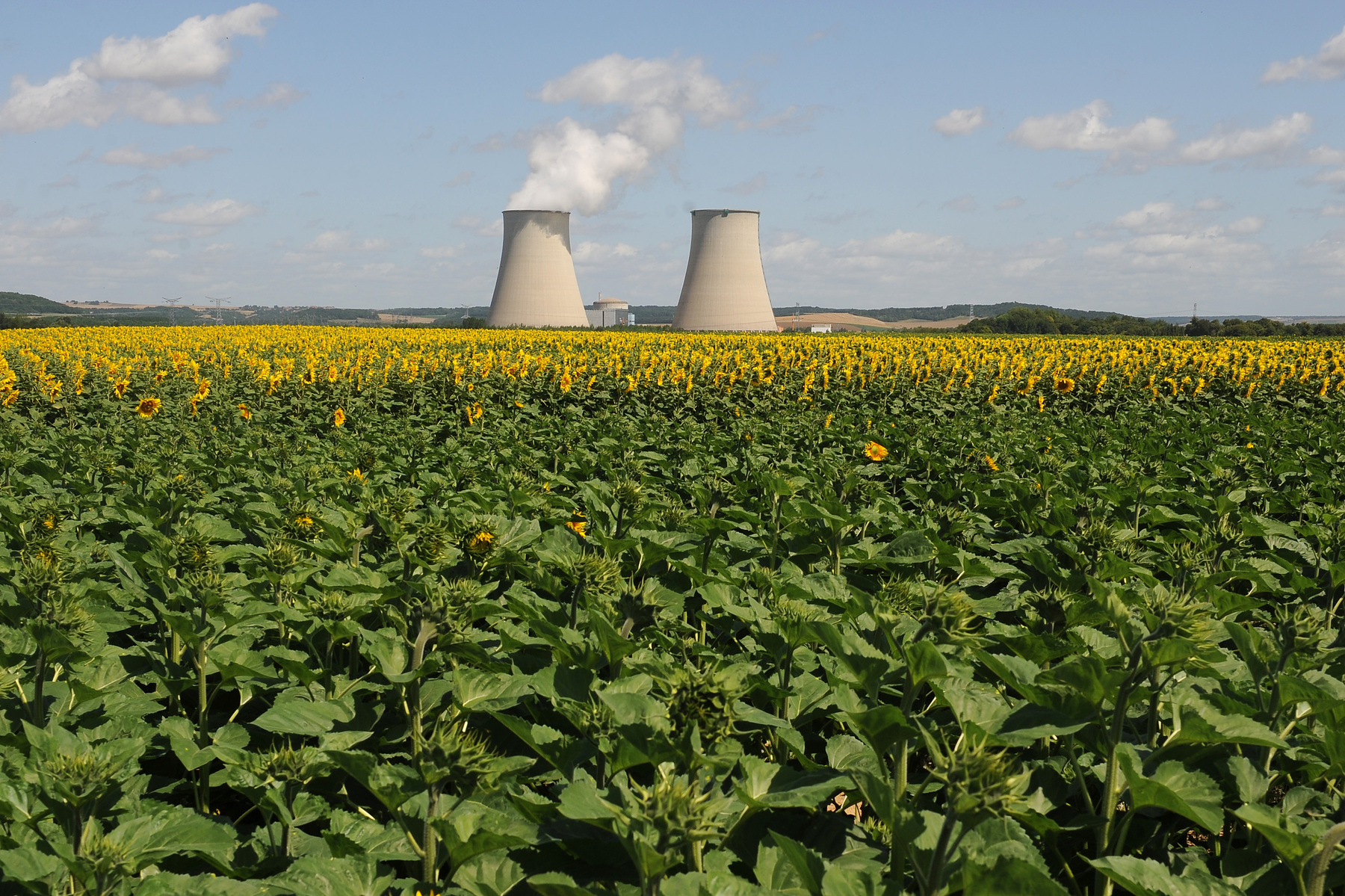
As a new heatwave sweeps across Europe, temperatures nearing 40 degrees Celsius are putting pressure on electricity generation, with nuclear power plants frequently appearing in headlines. France, in particular, has had to shut down several nuclear facilities due to the heat, a situation mirrored in Switzerland and Romania. Some media outlets have sensationalized these events, suggesting that heat is the 'death knell' for nuclear technology, especially in countries like Austria where it is unpopular. However, an examination of the data reveals a more nuanced reality.
Many French nuclear power plants rely on river water for cooling. When temperatures rise significantly, environmental regulations often require these plants to reduce operations to protect river ecosystems from thermal pollution. While this has led to the shutdown of three plants and reduced output from seven others, the majority of France's 57 nuclear reactors continue to operate normally. Data from the Fraunhofer Institute shows that French nuclear plants generated 27.7 terawatt-hours (TWh) in June and 26.9 TWh in July, figures comparable to previous years and indicating stable output. The state-owned energy company EDF estimates that heatwaves reduce annual production by only about 0.3 percent. France has consistently exported electricity throughout the heatwave period, even as other European nations increased their reliance on imports.
Despite the relative stability of nuclear power, the persistent heat and drought are indeed impacting Europe's energy sector. These conditions weaken various forms of power generation and strain electricity transmission lines, contributing to rising electricity prices on European markets. While France's solar installations produced three times more electricity in July compared to 2019, and Austria saw a 50% increase in solar output, these sources are intermittent. They generate power only when the sun shines, failing to meet demand during evenings when air conditioning use peaks. This highlights the complex challenges facing Europe's energy infrastructure as it adapts to climate change and fluctuating demand.
DistantNews Editorial
Originally published by Die Presse in German. Translated, summarized, and contextualized by our editorial team with added local perspective. Read our editorial standards.
More Stories


From Our Blog

What Gets Lost (and Found) When News Is Translated

The Critical Role of Diaspora Media in Global News

What Travellers Should Know About Countries with Restricted Press

A Digital Nomad's Guide to Following Local News

How the Same Story Looks Different in Different Countries
