


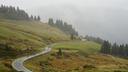
Austria's Tyrol Reinstates Traffic Restrictions on Local Roads
Translated from Croatian, summarized and contextualized by DistantNews.
TLDR
- Austria, particularly the state of Tyrol, has reinstated traffic restrictions on local roads to prevent drivers from avoiding main route congestion.
- The new rules, effective May 1, 2026, ban transit traffic on smaller roads on weekends and holidays between 7 a.m. and 7 p.m., with exceptions for locals and tourists.
- Over 411,400 vehicles were rerouted in the previous winter season, and navigation services now integrate these restrictions to prevent drivers from using alternative routes.
Tirol is once again taking decisive action to protect its picturesque local roads and communities from the scourge of excessive transit traffic. Starting May 1, 2026, drivers attempting to bypass congestion on major highways will find their options severely limited. This isn't a new tactic for Austria, but Tirol is doubling down, integrating these restrictions into navigation systems to ensure compliance.
From the beginning of May 2026, Tyrol has reactivated restrictions for transit on local and rural roads, with a clear goal: to prevent drivers from avoiding traffic jams on main routes.
From the bustling areas around Innsbruck to the scenic routes of Kufstein, Imst, and Reutte, local and rural roads will be off-limits to through-traffic on Saturdays, Sundays, and public holidays from 7 a.m. to 7 p.m. This measure is crucial for preserving the quality of life for residents and the natural beauty of our region, which are often threatened by the sheer volume of vehicles seeking shortcuts.
Drivers who leave the highway without a valid reason and turn onto secondary roads will face controls. In case of violation, they will be returned to the main roads, with a minimum fine of 90 euros.
We understand that some drivers may have legitimate reasons to use these roads, such as being local residents or tourists with confirmed accommodations. Exceptions are in place, but they require clear justification. For those who flout these rules, the consequences are immediate: drivers will be turned back, and a fine of at least 90 euros awaits. The success of these measures is evident from the winter season data, where over 411,400 vehicles were redirected, demonstrating the scale of the problem and the effectiveness of our enforcement.
More than 411,400 vehicles were returned to the main routes, with Reutte and Kufstein recording the most violations.
This year, a significant advancement is the integration of these traffic bans into navigation systems. This proactive step ensures that drivers are no longer presented with tempting, albeit illegal, alternative routes through our villages. It's a clear message: stick to the main arteries. This initiative, as reported by Fenix Magazin, underscores Tirol's commitment to managing traffic flow efficiently and protecting our local environments. It's about ensuring that our roads serve our communities first and foremost, not just as conduits for long-distance travel.
With the integration of bans into navigation systems, drivers are no longer offered alternative routes through local roads as an option.
DistantNews Editorial
Originally published by Večernji List in Croatian. Translated, summarized, and contextualized by our editorial team with added local perspective. Read our editorial standards.
More Stories



From Our Blog

What Gets Lost (and Found) When News Is Translated

The Critical Role of Diaspora Media in Global News

What Travellers Should Know About Countries with Restricted Press

A Digital Nomad's Guide to Following Local News

How the Same Story Looks Different in Different Countries
