

Author: Fiction Needs More Disabled Characters to Build Empathy
Translated from Finnish, summarized and contextualized by DistantNews.
TLDR
- Author Inga Magga advocates for greater representation of disabled characters in fiction to foster empathy and normalize disability in society.
- Magga's latest novel features a disabled character inspired by her older sister, highlighting the underrepresentation of disabled individuals in literature compared to their presence in the real world.
- She believes increased representation will improve societal understanding and acceptance of disabled people.
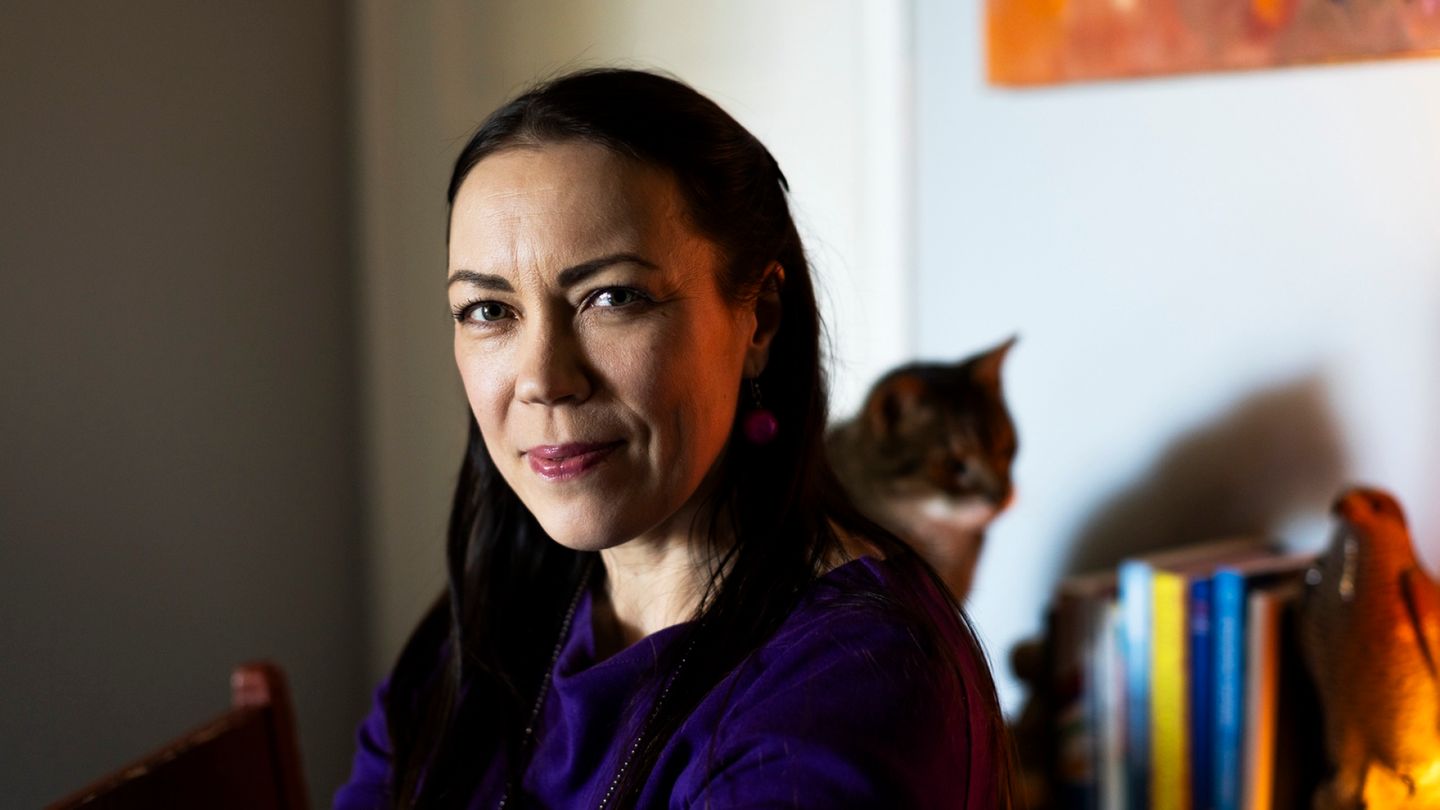
In Finland, the conversation around representation in literature is gaining momentum, and author Inga Magga is at the forefront of this movement. Her latest work, which includes a disabled character loosely based on her sister, underscores a critical observation: fiction needs more disabled individuals. Magga argues that this isn't just about inclusivity; it's about building empathy and reflecting the reality of our society more accurately.
Kaikenlaisiin kaunokirjoihin tarvitaan lisää vammaisia henkilöitä muiden hahmojen rinnalle.
Magga's perspective, as presented in Helsingin Sanomat, highlights a gap between the proportion of disabled people in the population and their presence in fictional narratives. This underrepresentation, she suggests, contributes to a lack of understanding and can perpetuate societal marginalization. By introducing more disabled characters, Magga aims to normalize their experiences and challenge the reader's perceptions, fostering a more inclusive worldview.
Niin kasvaa empatia ja vammaisten rooli yhteiskunnassa yleisemminkin, sanoo kirjailija Inga Magga.
This call for greater representation resonates deeply within Finnish society, which, like many others, is grappling with issues of inclusion and diversity. The emphasis on empathy and societal roles reflects a broader cultural value placed on collective well-being and mutual understanding. Magga's work serves as a literary catalyst, encouraging a national dialogue on how storytelling can actively shape a more equitable and understanding society for everyone.
Kaunokirjoihin tarvittaisiin nykyistä selvästi enemmän vammaisia henkilöhahmoja.
DistantNews Editorial
Originally published by Helsingin Sanomat in Finnish. Translated, summarized, and contextualized by our editorial team with added local perspective. Read our editorial standards.
More Stories

From Our Blog

What Gets Lost (and Found) When News Is Translated

The Critical Role of Diaspora Media in Global News

What Travellers Should Know About Countries with Restricted Press

A Digital Nomad's Guide to Following Local News

How the Same Story Looks Different in Different Countries
