

Battle for the Strait of Hormuz: The World Holds Its Breath Between War and Diplomacy
Translated from Romanian, summarized and contextualized by DistantNews.
TLDR
- The situation in the Strait of Hormuz is highly volatile, with a fragile peace process between the U.S. and Iran mediated by Pakistan, oscillating between diplomatic optimism and threats of renewed conflict.
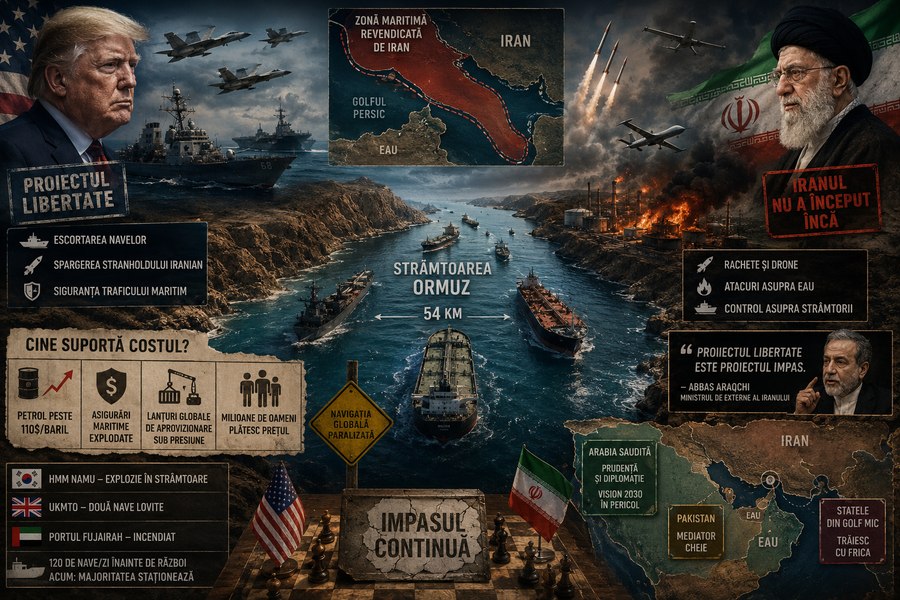
- The Strait of Hormuz, through which approximately one-fifth of the world's oil and liquefied natural gas passes, is a critical artery for global energy and the world economy.
- A fragile armistice between the U.S. and Iran, established four weeks prior, appears to be unraveling, with recent incidents including exchanges of fire and an oil terminal fire in the UAE signaling a shift of conflict to the sea.
The escalating tensions surrounding the Strait of Hormuz present a critical juncture for global stability, with the world holding its breath between the prospects of war and diplomacy. This narrow, strategically vital waterway, responsible for a significant portion of the world's energy supply, has become the focal point of a conflict that transcends regional boundaries, impacting economies worldwide.
The situation is extremely volatile: we are in the midst of an active US-Iran war, with fragile peace negotiations mediated by Pakistan, in which both sides oscillate between diplomatic optimism and threats of resuming bombing.
The fragile armistice between the United States and Iran, brokered by Pakistan, is showing alarming signs of deterioration. Recent events, including skirmishes in the Gulf and a fire at the Fujairah oil port, indicate that the conflict, far from being resolved, has merely shifted its theater to the maritime domain. This volatile situation underscores the precariousness of peace in the region.
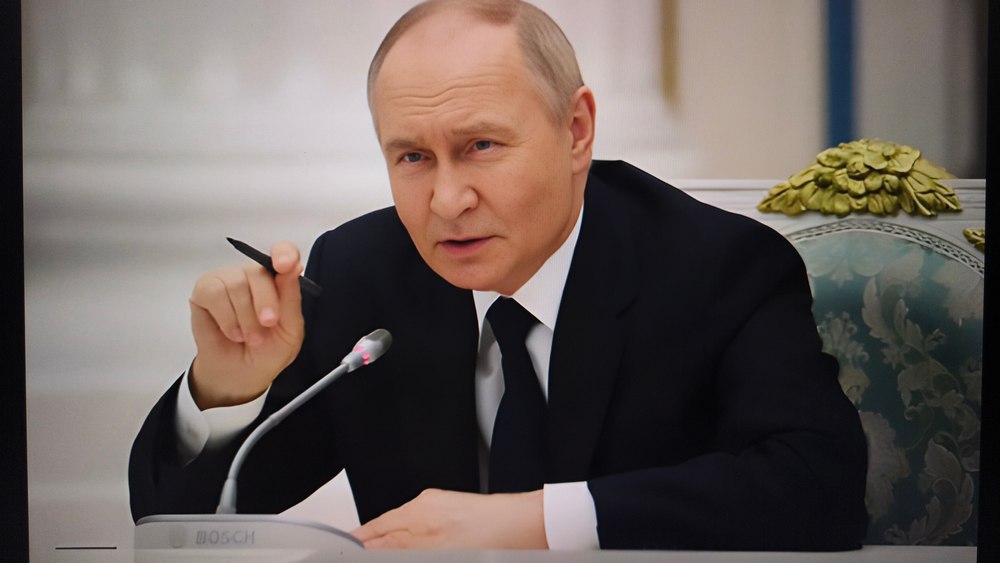
Amidst this turmoil, a one-page memorandum of understanding (MOU) is reportedly being negotiated between U.S. envoys and Iranian officials. This proposed agreement aims to declare a cessation of hostilities and initiate a 30-day period for detailed negotiations on reopening the Strait of Hormuz, curbing Iran's nuclear program, and lifting U.S. sanctions. However, conflicting signals from both sides—with President Trump expressing optimism about the talks while Iran downplays the prospect of an imminent agreement—create an atmosphere of uncertainty.
The MOU would declare a cessation of war and launch a 30-day period of negotiations on a detailed agreement to reopen the Strait of Hormuz, limit Iran's nuclear program, and lift U.S. sanctions.
From our perspective, the situation is particularly concerning given the direct impact on global energy markets and, consequently, on the economic well-being of every nation. The potential for renewed hostilities in such a critical chokepoint poses a severe threat to international trade and stability. The article's focus on the geopolitical stakes highlights how control over Hormuz translates directly into influence over global energy prices and the world economy, making this a story of paramount importance.
in this stage we do not have nuclear negotiations
DistantNews Editorial
Originally published by Adevărul in Romanian. Translated, summarized, and contextualized by our editorial team with added local perspective. Read our editorial standards.
More Stories


From Our Blog

What Gets Lost (and Found) When News Is Translated

The Critical Role of Diaspora Media in Global News

What Travellers Should Know About Countries with Restricted Press

A Digital Nomad's Guide to Following Local News

How the Same Story Looks Different in Different Countries
