

Belarus' Lukashenko courts Moscow and Beijing as Ukraine tensions simmer
Translated from English, summarized and contextualized by DistantNews.
At a glance
News
Named sources
Context piece
- Belarusian leader Alexander Lukashenko visited Russia and China amid rising tensions with Ukraine.
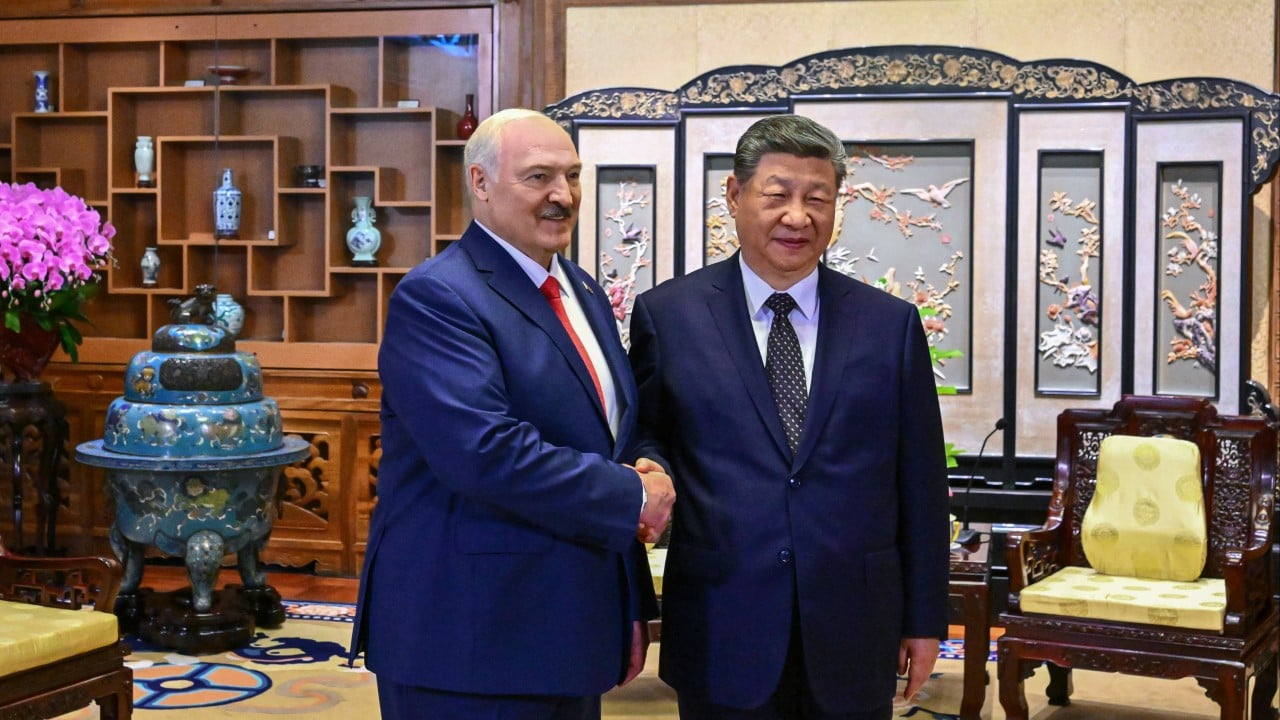
- In Beijing, Lukashenko expressed feeling "at home" and discussed strategic dialogue with President Xi Jinping.
- The visits followed speculation that Russia might pressure Belarus into greater involvement in the Ukraine war, which Lukashenko seeks to avoid.
Belarusian leader Alexander Lukashenko has undertaken diplomatic visits to both Russia and China, a move occurring against a backdrop of heightened tensions involving Ukraine. These high-level meetings included discussions with Chinese President Xi Jinping in Beijing and Russian President Vladimir Putin at his Valdai residence.
being in China was for him “like coming home”
During his meeting with Xi Jinping, Lukashenko conveyed a sense of comfort, stating that being in China felt "like coming home." The Chinese side affirmed its support for Belarus in maintaining state sovereignty, independence, and territorial integrity. Xi emphasized the importance of continued strategic dialogue and high-level development of bilateral relations between the two nations.
China supported Belarus in preserving its state sovereignty, independence and territorial integrity.
Prior to his trip to China, Lukashenko spent two days in talks with Putin. This previously unannounced visit fueled widespread speculation, particularly given the ongoing tensions with Kyiv. Ukraine's leadership is concerned that Russia may be attempting to pressure its ally, Belarus, into more direct participation in the war. Lukashenko has been endeavoring to steer clear of such involvement, despite having permitted Russian forces to utilize Belarusian territory for the initial 2022 invasion of Ukraine.
China and Belarus must maintain their strategic dialogue and continue to develop bilateral relations at a high level.
DistantNews Editorial
Originally published by South China Morning Post in English. Translated, summarized, and contextualized by our editorial team with added local perspective. Read our editorial standards.
More Stories
From Our Blog

Countries Without a Free Press: What You Need to Know

What Press Freedom Means for the News You Read

What Gets Lost (and Found) When News Is Translated

The Critical Role of Diaspora Media in Global News

What Travellers Should Know About Countries with Restricted Press
