

How is China shaping up in the global competition to sell air defence weapons?
Summarized and contextualized by DistantNews.
At a glance
News
Sources not specified
Outcome reported
- China is actively competing in the global market for air defense weapons, showcasing systems at the recent Eurosatory arms fair.
- Chinese firms like Norinco offer cost-effective solutions, particularly targeting the Global South, but face geopolitical barriers in US-allied nations.
- Systems such as the HQ-9 have been sold to several countries, including Azerbaijan, Egypt, and Pakistan, while Serbia operates a variant of the HQ-22.
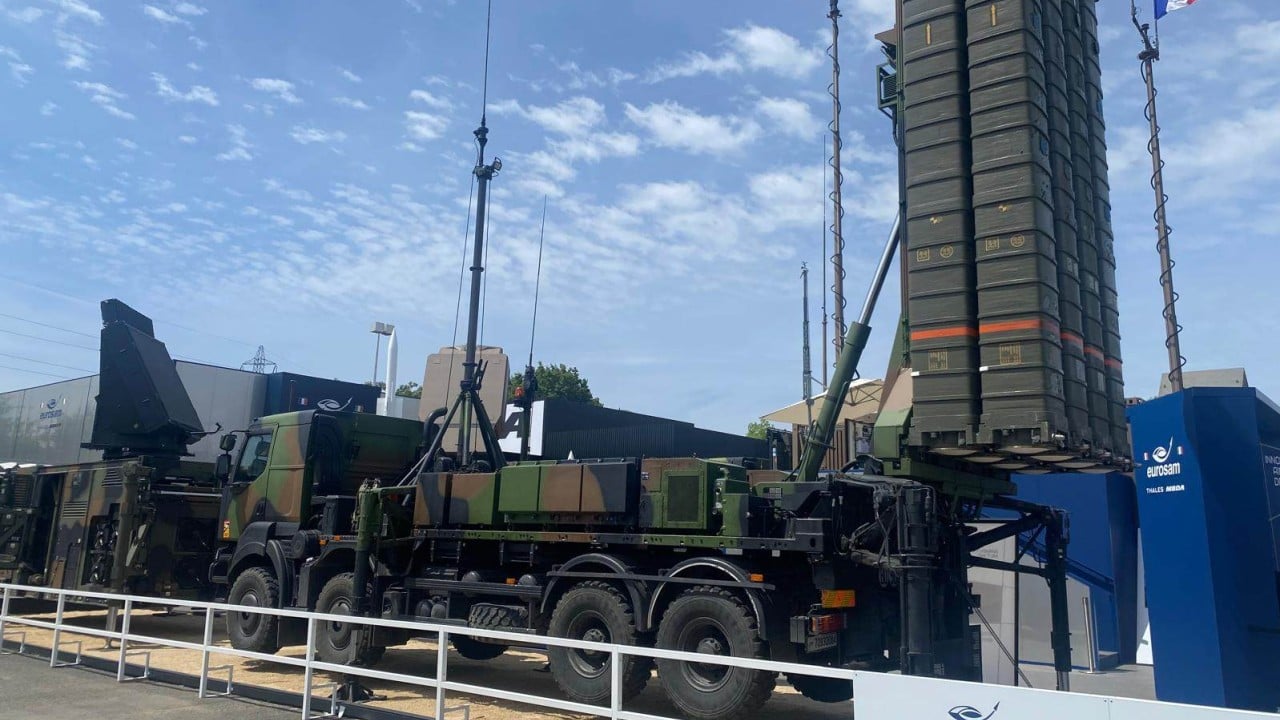
Chinese defense companies are making a significant push in the global competition to sell air defense weapons, a market increasingly vital due to drone warfare witnessed in Ukraine and the Middle East. At the recent Eurosatory arms fair, Chinese firms showcased their latest surface-to-air missile systems and anti-drone technologies.
Experts suggest that China's cost-efficiency positions it well to capture sales from the Global South. However, geopolitical constraints are expected to limit its access to countries allied with the United States, which prioritize combat-proven and interoperable systems. Despite these challenges, Chinese defense systems have already found their way into multiple international markets.
North Industries Group Corporation (Norinco), China's largest ground-based arms manufacturer, displayed its Sky Dragon 100 and Yitian II surface-to-air missile systems. The company also presented anti-drone solutions, including anti-air guns and laser weapon systems. The HQ-9, a long-range surface-to-air missile capable of reaching targets up to 260 kilometers away, has reportedly been sold to nations such as Azerbaijan, Egypt, Pakistan, Turkmenistan, and Uzbekistan.
In a notable instance of Chinese military hardware presence in Europe, Serbia is operating four batteries of the FK-3, an export version of the HQ-22 medium-range air defense system. The production of advanced surface-to-air missile air defense systems is highly complex, requiring robust domestic industrial capabilities for high-frequency radars and sophisticated missile interceptors, thus limiting the number of countries capable of exporting such systems globally.
DistantNews Editorial
Originally published by South China Morning Post. Summarized and contextualized by our editorial team with added local perspective. Read our editorial standards.
More Stories
From Our Blog

Countries Without a Free Press: What You Need to Know

What Press Freedom Means for the News You Read

What Gets Lost (and Found) When News Is Translated

The Critical Role of Diaspora Media in Global News

What Travellers Should Know About Countries with Restricted Press
