


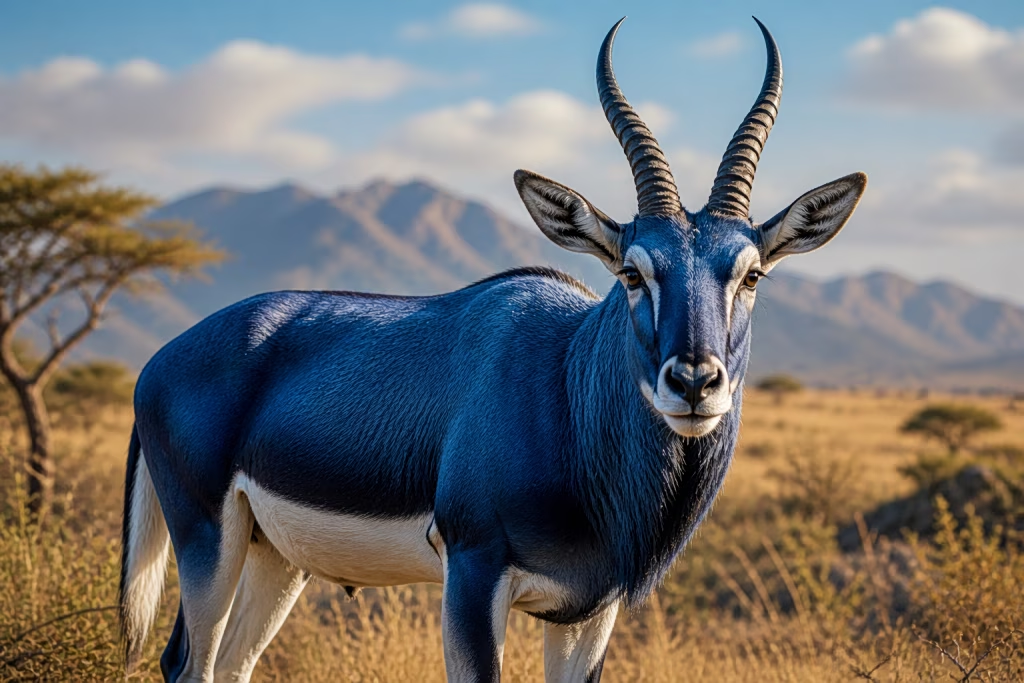
Blue Antelopes to Roam Africa Again? Firm Aims to 'De-extinct' Bluebuck
Translated from Greek, summarized and contextualized by DistantNews.
TLDR
- Colossal Biosciences, known for de-extinction projects, is now working to bring back the bluebuck antelope.
- The bluebuck, native to Southern Africa, went extinct around 200 years ago due to hunting and habitat loss.
- The company aims to use genetic engineering and cloning techniques, with a potential birth in the coming years.
In a move that echoes humanity's growing capacity to reshape the natural world, Dallas-based Colossal Biosciences has announced its ambitious plan to resurrect the bluebuck, an antelope species lost to extinction approximately two centuries ago. This endeavor, detailed in Greek media, marks a significant expansion of the company's de-extinction efforts, which previously focused on megafauna like mammoths and Tasmanian tigers. The bluebuck, once roaming Southern Africa, succumbed to relentless hunting during the colonial era and habitat destruction. Colossal Biosciences, however, sees this as an opportunity to 'reverse some of the sins of the past,' as stated by CEO Ben Lamm. The project involves intricate DNA reconstruction and laboratory gestation, utilizing the roan antelope as a surrogate mother. Scientists have successfully extracted DNA from preserved specimens and identified the genetic markers responsible for the bluebuck's distinctive blue-grey coat. This initiative, while scientifically fascinating, also raises profound questions about conservation, biodiversity, and the ethical implications of 'playing God.' The Greek press highlights this as a remarkable technological achievement, underscoring the potential for science to undo past ecological damage, while also implicitly acknowledging the complex ethical landscape such advancements navigate. The focus on an African species also brings a unique perspective, emphasizing the continent's rich, yet vulnerable, natural heritage.
this is a clear case of human-caused extinction and we now have the technology to reverse it.
DistantNews Editorial
Originally published by Ta Nea in Greek. Translated, summarized, and contextualized by our editorial team with added local perspective. Read our editorial standards.
More Stories

From Our Blog

What Gets Lost (and Found) When News Is Translated

The Critical Role of Diaspora Media in Global News

What Travellers Should Know About Countries with Restricted Press

A Digital Nomad's Guide to Following Local News

How the Same Story Looks Different in Different Countries
