


Book Reveals How Stereotypes Drove Finland's Hunt for Female Spies
Translated from Finnish, summarized and contextualized by DistantNews.
TLDR
- A new book by Piia Vuorinen examines the hunt for female spies in Finland during the 1920s and 1930s.
- The book reveals how stereotypes, particularly those related to sexuality, influenced the actions of the State Police.
- It details the case of Martta Orvokki Halunen, a Soviet-trained spy convicted in Finland.
In her meticulously researched book, "Vaarallisen viekkaita. Naisvakoojan myytti ja vastavakoilun arki" (Dangerously Cunning: The Myth of the Female Spy and the Everyday Reality of Counter-Intelligence), Piia Vuorinen sheds light on a fascinating and often overlooked aspect of Finnish security history. Published by Otava, the work challenges prevailing stereotypes by demonstrating how the State Police's pursuit of alleged female spies was heavily swayed by sensationalized, sex-laden myths rather than concrete evidence.
Piia Vuorinen proves that sensational, sex-filled stereotypes guided the actions of the State Police when it hunted female spies.
Vuorinen meticulously details the counter-intelligence operations of the era, a period of intense geopolitical tension where Finland's security apparatus was still in its nascent stages. The book brings to life the frantic efforts at the State Police headquarters in Helsinki and its regional branches as they grappled with a deluge of espionage and sedition cases. This historical account is not merely an academic exercise; it delves into the human element, revealing how societal biases and preconceived notions shaped the actions of law enforcement.
A central case study is that of Martta Orvokki Halunen, a spy trained in Soviet Estonia. While the article notes she was convicted and sentenced to five years in prison, it suggests her motivations were complex, possibly driven by coercion or a desire to protect relatives rather than ideological fervor. The narrative around Halunen, and others like her, serves as a stark reminder of the often-dramatic and sometimes farcical realities behind the cloak-and-dagger world of espionage, where the line between myth and reality could easily blur.
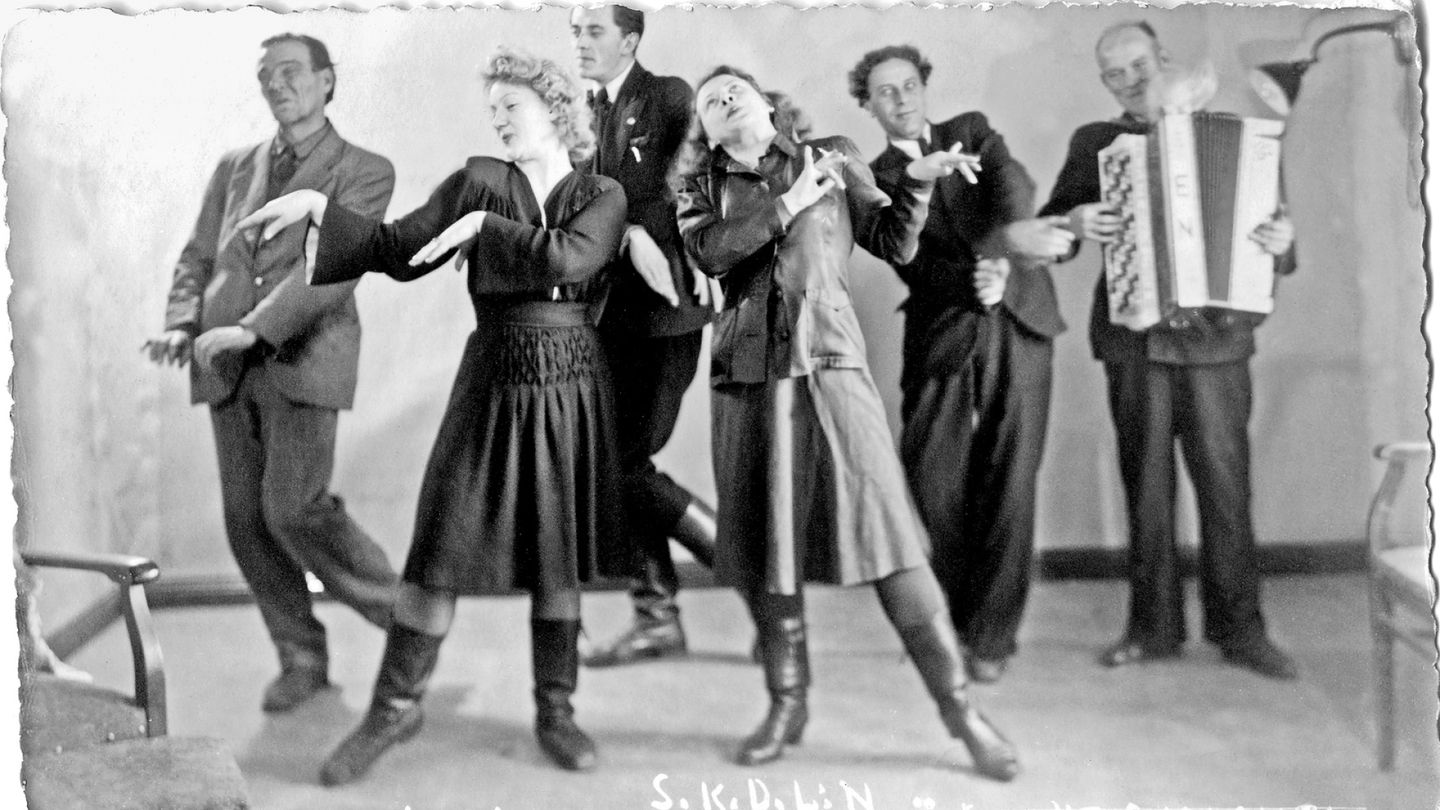
Martta Orvokki Halunen was 'dancing artist'. Finnish military intelligence became interested in her in the early spring of 1941 as a possible 'Mata Hari of Finland'. She apparently did not utilize sex, although she was a spy trained in Soviet Estonia. The Turku Court of Appeal sentenced her to five years in prison.
From a Finnish perspective, as presented in Helsingin Sanomat, this book offers a valuable lens through which to understand the anxieties and operational methods of a nation navigating a precarious geopolitical landscape. It highlights how deeply ingrained societal stereotypes, particularly concerning women and sexuality, could infiltrate even the most serious state security functions. Vuorinen's work is essential reading for anyone interested in Finnish history, intelligence operations, and the enduring power of myth in shaping public perception and institutional behavior.
Halunen apparently did not spy out of ideological passion but was forced to and to protect relatives.
DistantNews Editorial
Originally published by Helsingin Sanomat in Finnish. Translated, summarized, and contextualized by our editorial team with added local perspective. Read our editorial standards.
More Stories

From Our Blog

What Gets Lost (and Found) When News Is Translated

The Critical Role of Diaspora Media in Global News

What Travellers Should Know About Countries with Restricted Press

A Digital Nomad's Guide to Following Local News

How the Same Story Looks Different in Different Countries
