


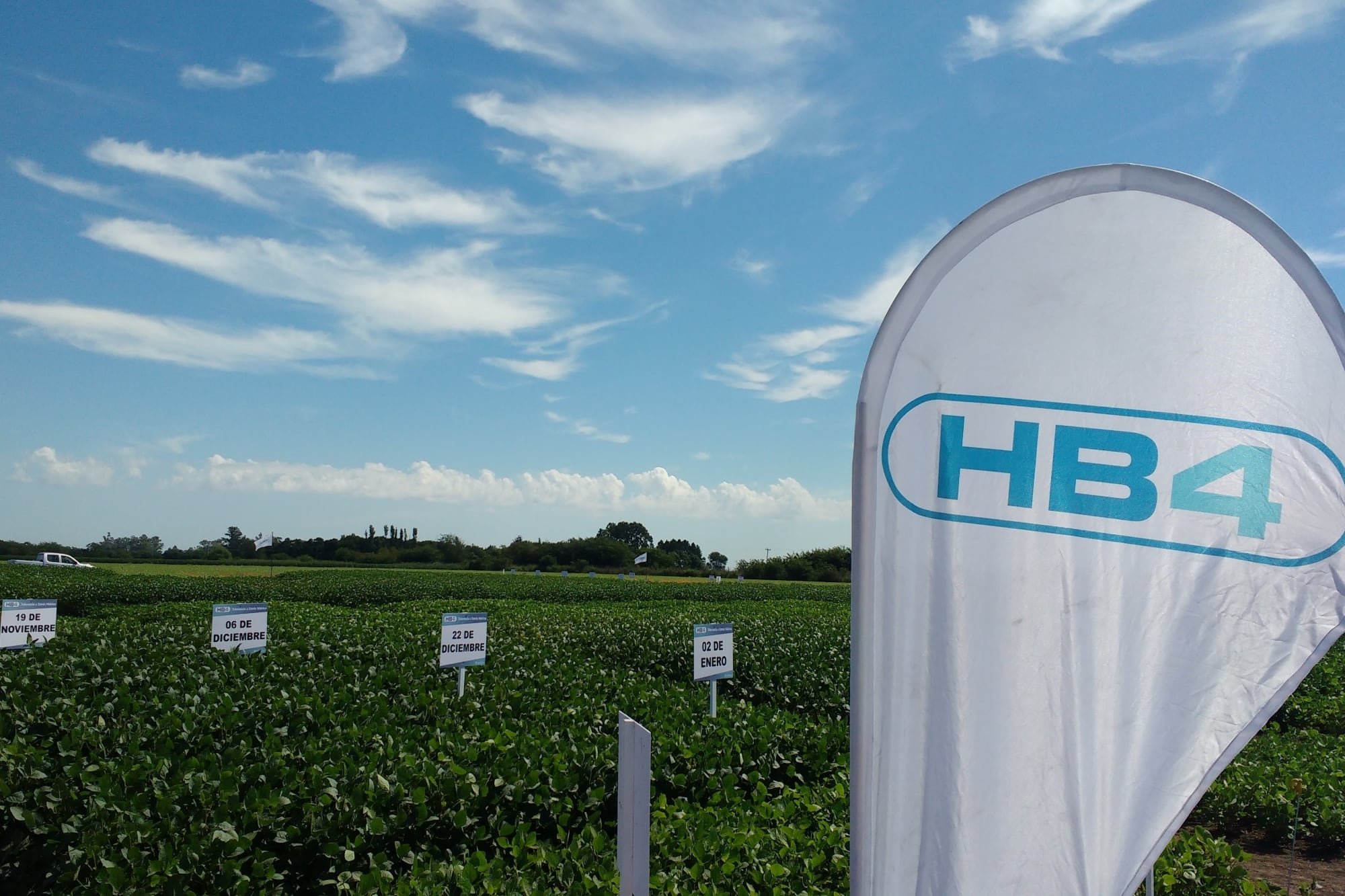
Brazil Questions EU's Detection Process for Argentine Soybean
Translated from Spanish, summarized and contextualized by DistantNews.
TLDR
- Brazil has questioned the scientific basis of a European Union alert regarding the detection of a Brazilian-Argentine genetically modified soybean (HB4) in imported soy flour.
- The Brazilian Ministry of Agriculture expressed concerns about the detection method used by the Netherlands, suggesting the possibility of "false positives" due to a lack of validated, event-specific analytical methods in the EU.
- Argentina has also raised technical questions about the detection process, highlighting that the HB4 technology is approved in Argentina and awaiting authorization in China, but not yet for commercialization in the EU.
Brazil's Ministry of Agriculture has voiced strong technical objections to the European Union's recent alert concerning the detection of HB4-modified soybean flour in shipments. While the EU flagged the presence of this drought-tolerant transgenic event, Brazil argues that the detection methodology employed by the Netherlands lacks sufficient scientific validation and could lead to "false positives." This stance, articulated in a document prepared for the Secretariat of Trade and International Relations, aims to challenge the EU's findings and processes.
Argentina shares similar technical reservations, emphasizing that the detection methods used are not robust, specific, or validated within the EU regulatory framework. The core of the issue lies in the potential for analytical imprecision, especially when markers might be present in other commercially approved events. Both South American nations are pushing back against what they perceive as an unreliable alert system, underscoring the importance of validated, event-specific protocols.
This situation highlights a recurring tension in international agricultural trade, particularly concerning genetically modified organisms (GMOs). While Brazil and Argentina are major agricultural exporters, their advancements in GM technology, like Bioceres' HB4 soybean, face stringent and sometimes contested regulatory hurdles in markets like the EU. The dispute over detection methods is not just a technical disagreement; it reflects differing approaches to agricultural innovation and trade, with South American producers seeking broader market access for their technologies while European nations maintain cautious regulatory stances.
If there are those who believe that our multi-party democracy... is our weak point... then they are clearly mistaken. They do not understand Russia and its people.
DistantNews Editorial
Originally published by La Nación in Spanish. Translated, summarized, and contextualized by our editorial team with added local perspective. Read our editorial standards.
More Stories



From Our Blog

What Gets Lost (and Found) When News Is Translated

The Critical Role of Diaspora Media in Global News

What Travellers Should Know About Countries with Restricted Press

A Digital Nomad's Guide to Following Local News

How the Same Story Looks Different in Different Countries
