


Brussels Targets Hungary's Fuel Price Protections; New Government Faces Dilemma
Translated from Hungarian, summarized and contextualized by DistantNews.
TLDR
- The European Commission is investigating Hungary and Slovakia over their fuel price caps, citing distortion of competition and discrimination against EU citizens.
- Hungary's previous price cap policies are being used as precedent, raising concerns about potential supply disruptions and market distortions if the country complies with the EU's demands.
- The incoming Hungarian government, led by Tisza, has signaled a preference for reduced state intervention, including fewer price caps, potentially complicating its response to Brussels.
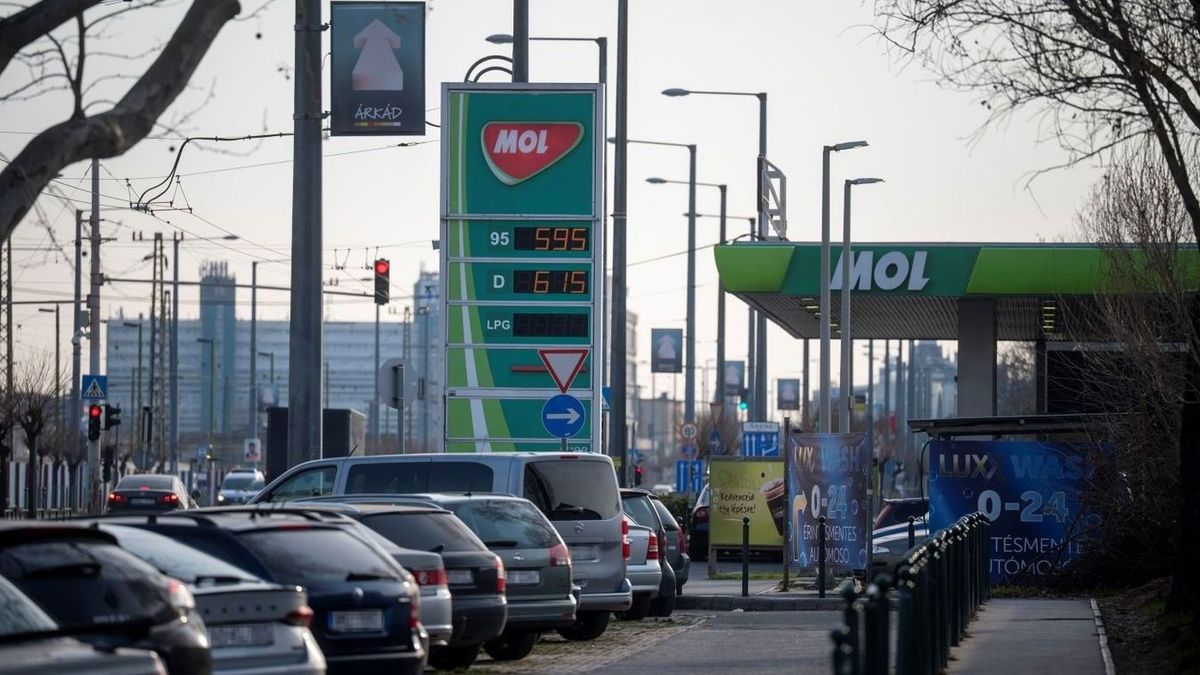
Brussels has once again set its sights on Budapest, this time targeting Hungary's long-standing fuel price protections. The European Commission, citing rules against distorting competition and discriminating among EU citizens, has launched an offensive that puts national sovereignty directly at odds with EU directives. While the Commission's focus may currently be on Slovak measures, it is the precedent set by Hungary's earlier practices that truly fuels the debate, linking the two nations in a legal and media crossfire.
One question raised by critics is why Brussels has not instead urged other member states to lower their fuel prices to Hungarian and Slovak levels.
Critics rightly question why Brussels doesn't urge other member states to lower their fuel prices to match Hungarian and Slovak levels. Proponents of these protected prices argue that traditional market mechanisms falter in times of crisis, and that energy security is fundamentally a national competence. They contend that governments should not have their hands tied when the very social stability of their nations is at stake. The potential consequences of Hungary yielding to Brussels' demands are stark: a return of cross-border shoppers, leading to supply disruptions and unsustainable costs, mirroring the chaos of 2022. Market distortions could once again drive away essential importers, further tightening supply.
Proponents of protected pricing argue that traditional market mechanisms fail in times of crisis. Energy security, they maintain, remains a national competence, and governments’ room for maneuver should not be curtailed when social stability is at stake.
Data from 2022 vividly illustrates the gap between regulated and market prices, with gasoline prices skyrocketing the moment the cap was lifted. In 2023, Hungarian fuel prices remained stubbornly above the regional average. As for the incoming Tisza-led government, its path forward is clouded by uncertainty. Economy and energy minister nominee Kapitany has previously advocated for simplifying state operations, calling for "far less state intervention—far fewer special taxes, price caps, and margin caps." This stance suggests a potential clash with Brussels' demands, leaving Hungary navigating a complex geopolitical and economic tightrope.
The operation of the state must be simplified. There is a need for far less state intervention—far fewer special taxes, price caps, and margin caps.
DistantNews Editorial
Originally published by Magyar Nemzet in Hungarian. Translated, summarized, and contextualized by our editorial team with added local perspective. Read our editorial standards.
More Stories

From Our Blog

Countries Without a Free Press: What You Need to Know

What Press Freedom Means for the News You Read

What Gets Lost (and Found) When News Is Translated

The Critical Role of Diaspora Media in Global News

What Travellers Should Know About Countries with Restricted Press
