

Can Face Yoga and Gua Sha Really Slim Your Face? What Experts Say
Translated from English, summarized and contextualized by DistantNews.
TLDR
- Face yoga and gua sha are popular non-invasive methods for achieving a slimmer facial appearance, offering accessible and low-cost alternatives to aesthetic treatments.
- Experts explain that facial shape is influenced by multiple factors including bone structure, fat distribution, muscle bulk, and fluid retention, not just fat alone.
- Face yoga primarily targets muscle training and strengthening, while gua sha focuses on stimulating circulation and lymphatic drainage; combining both can yield optimal results.
In the ever-evolving landscape of beauty and wellness, techniques like face yoga and gua sha have surged in popularity, promising a more sculpted and 'snatched' facial appearance without the need for invasive procedures. As a publication like CNA, we aim to provide our readers with clear, evidence-based information to navigate these trends. The appeal of these methods lies in their accessibility, affordability, and the convenience of performing them at home.
The first thing I explain to patients is that facial shape is usually influenced by more than one factor. It is not just about ‘fat’ alone.
However, it's crucial to manage expectations. Dermatologist Dr. Angeline Yong emphasizes that facial shape is a complex interplay of genetics (bone structure), fat distribution, muscle mass, and temporary fluid retention. Understanding which of these factors contributes most to an individual's facial appearance is key to determining the realistic potential of facial exercises and massage tools.
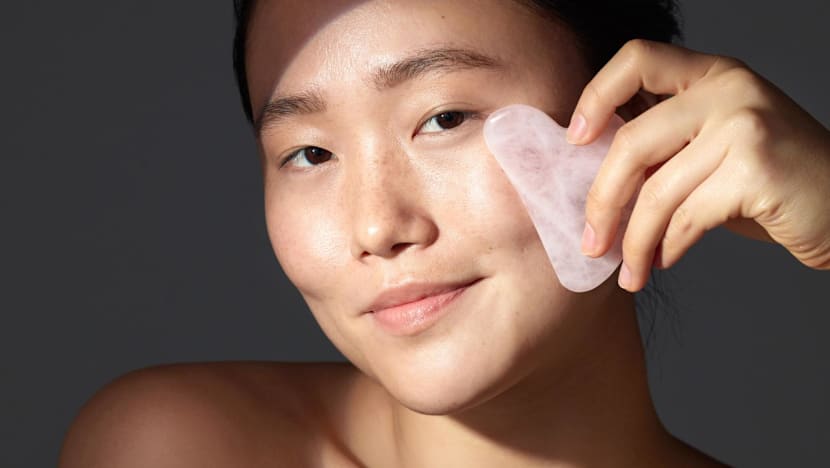
Face yoga, as explained by instructor Jasmine Gabriela Ho, works by engaging and strengthening facial muscles, akin to resistance training for the face. Gua sha, on the other hand, utilizes a specialized tool to enhance blood circulation and promote lymphatic drainage, helping to reduce puffiness and release tension in the tissues. Ho notes that these techniques, while distinct, are often most effective when practiced in conjunction, ideally starting with preparatory exercises like breathwork and warm-ups to ensure a holistic approach.
Face yoga focuses on muscle training, while gua sha emphasises circulation and tissue release.
While these practices can offer subtle improvements in muscle tone, circulation, and skin texture, it's important to recognize their limitations. They are unlikely to dramatically alter underlying bone structure or significantly reduce stubborn fat deposits. For readers seeking more dramatic changes, consulting with a qualified medical professional remains the most reliable path. Our coverage aims to empower individuals with knowledge, enabling them to make informed choices about their beauty and wellness routines.
In consultation, I usually break it down by asking: Is this a structural issue, a volume issue, a muscle issue, or temporary puffiness? That distinction is important, because each one affects facial shape differently.
DistantNews Editorial
Originally published by CNA in English. Translated, summarized, and contextualized by our editorial team with added local perspective. Read our editorial standards.
More Stories


From Our Blog

What Gets Lost (and Found) When News Is Translated

The Critical Role of Diaspora Media in Global News

What Travellers Should Know About Countries with Restricted Press

A Digital Nomad's Guide to Following Local News

How the Same Story Looks Different in Different Countries
