


Why Your Body Feels Achy and Uneven: 5 Everyday Habits That Strain One Side More Than the Other
Translated from English, summarized and contextualized by DistantNews.
TLDR
- Physiotherapists explain that muscle imbalances, where some muscles become tight and others weak, are common even in non-athletes.
- Daily habits like consistently carrying a bag on one shoulder or crossing the same leg can exacerbate these imbalances, leading to aches and stiffness.
- Simple adjustments, such as switching bag shoulders, maintaining neutral posture, and being mindful of repetitive movements, can help restore balance and reduce discomfort.
Our bodies are constantly adapting to our daily routines, and while some adaptation is normal, physiotherapists are highlighting how common habits can lead to significant muscle imbalances. Even if you don't consider yourself an athlete, the way you sit, walk, or carry your belongings can cause one side of your body to become tighter or weaker than the other.
Everyone has them. Muscle imbalances can happen when some muscles get tight while others do not get used enough and become weaker.
Senior physiotherapist Deon Tan from Changi General Hospital notes that hand dominance alone can create a strength disparity of 10-13% between your dominant and non-dominant hand. This can lead to the feeling of tightness or stiffness on your oft-used side. Philip Bezgoubov, a physiotherapist with Core Concepts, further explains that this can even alter the resting position of your joints, as your body unconsciously favors the side it's accustomed to putting more pressure on.
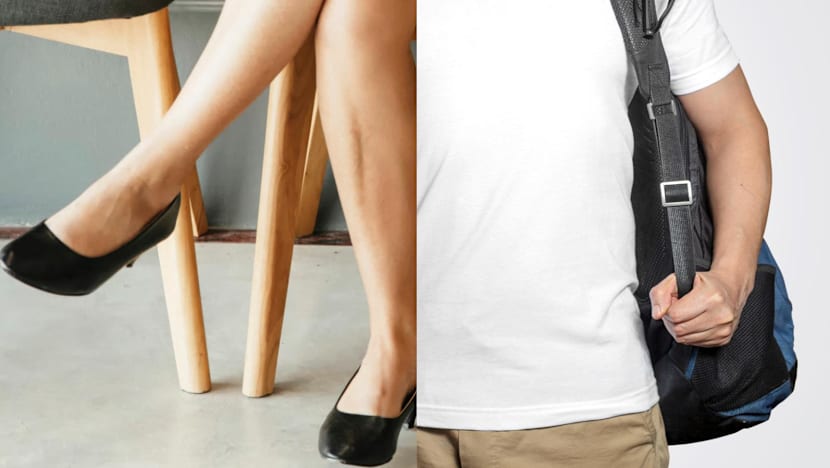
Choo Jia Yi, a senior physiotherapist at National University Hospital's Department of Rehabilitation, points to carrying a bag on the same shoulder as a prime culprit. This action raises the shoulder, tilts the spine, and creates uneven pressure on the neck, especially when combined with a sedentary lifestyle. The advice is simple yet crucial: switch shoulders when you can, put your bag down when possible, and aim for a neutral posture with relaxed, level shoulders.
The resting position of the joint may also change slightly.
While perfect symmetry might be unrealistic, understanding these everyday habits is key to preventing chronic aches and improving overall well-being. By making conscious adjustments, like alternating bag-carrying shoulders or being mindful of repetitive motions, we can work towards a more balanced and comfortable body, mitigating the strain that our daily lives often impose.
Switch shoulders when you have the chance; for example, when boarding the bus or MRT, or entering a lift.
DistantNews Editorial
Originally published by CNA in English. Translated, summarized, and contextualized by our editorial team with added local perspective. Read our editorial standards.
More Stories



From Our Blog

What Gets Lost (and Found) When News Is Translated

The Critical Role of Diaspora Media in Global News

What Travellers Should Know About Countries with Restricted Press

A Digital Nomad's Guide to Following Local News

How the Same Story Looks Different in Different Countries
