


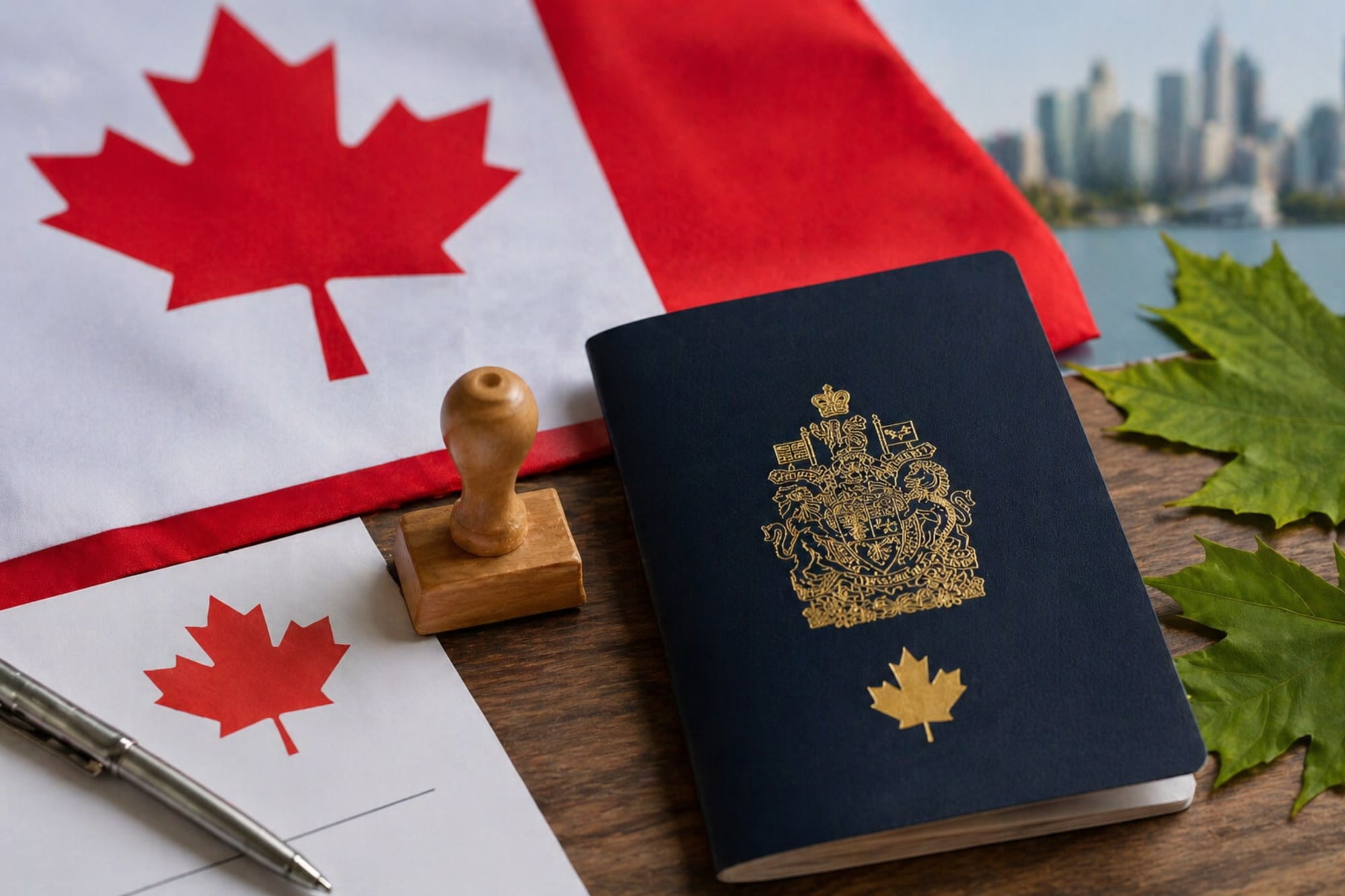
Canada Overhauls Citizenship Law, Opening Doors for Descendants Abroad
Translated from Spanish, summarized and contextualized by DistantNews.
TLDR
- Canada has reformed its citizenship laws, removing generational restrictions for descendants born abroad.
- The change allows individuals with a Canadian-born direct ancestor to apply for citizenship, expanding access beyond the previous first-generation rule.
- This reform contrasts with other nations' tightening of descent-based citizenship and has led to a surge in applications, particularly from Americans seeking a connection to their heritage or a safeguard against perceived instability at home.
Canada has opened its doors wider, enacting a significant reform to its citizenship laws that will resonate deeply with many, particularly those with Canadian roots living abroad. The elimination of strict generational limits for citizenship by descent is a landmark decision, reflecting Canada's ongoing commitment to inclusivity and its evolving immigration policies. This move, as reported by The New York Times, acknowledges the complex tapestry of family histories shaped by migration and offers a chance for reconnection and belonging.
Canadá implementó una reforma en sus normas de ciudadanía que elimina las restricciones generacionales previas para descendientes nacidos en el extranjero.
While other developed economies are tightening their belts on descent-based citizenship, Canada's decision to broaden access signals a distinct approach. It recognizes that family ties can span generations and that the desire to connect with one's heritage is a powerful motivator. The surge in applications, especially from the United States, underscores this sentiment. For many Americans, Canadian citizenship represents not just a link to their past but also a potential anchor in uncertain times, a sentiment that may not be fully grasped by international observers focused solely on immigration numbers.
la nueva disposición, que entró en vigor recientemente, permite que quienes tengan un antepasado directo nacido en suelo canadiense soliciten la ciudadanía sin un límite generacional estricto.
The practical implications of this reform are substantial. The increased demand for archival records highlights the diligence required to prove lineage, a bureaucratic yet meaningful process. Canadian archives are already experiencing a significant uptick in requests, indicating the widespread interest and the thoroughness needed to navigate the new regulations. This is not a simple handout; it requires a genuine effort to trace and document ancestry, a testament to the value placed on Canadian citizenship.
las solicitudes de estadounidenses pasaron de 1715 a 2470 en solo un mes.
From a Canadian perspective, this reform is more than just a policy change; it's an affirmation of our identity as a nation built by immigrants and their descendants. It strengthens our social fabric by welcoming those who feel a connection to this land, regardless of where they were born. The narrative of "returning" to Canada, even for those whose ancestors left generations ago, is a powerful one that resonates with our national story of welcoming and opportunity. This policy reinforces that narrative, making Canada a beacon for those seeking to reclaim or establish a connection to their Canadian heritage.
Como muchos registros tienen más de 100 años, el procedimiento para hacerse ciudadano canadiense requiere una investigación exhaustiva en archivos públicos.
DistantNews Editorial
Originally published by La Nación in Spanish. Translated, summarized, and contextualized by our editorial team with added local perspective. Read our editorial standards.
More Stories



From Our Blog

What Gets Lost (and Found) When News Is Translated

The Critical Role of Diaspora Media in Global News

What Travellers Should Know About Countries with Restricted Press

A Digital Nomad's Guide to Following Local News

How the Same Story Looks Different in Different Countries
