

Central Asia’s republics are no longer the chess pieces of empires
Summarized and contextualized by DistantNews.
At a glance
Analysis
Named sources
Context piece
- Central Asian republics are asserting themselves as confident players in a new geopolitical contest, moving beyond their historical roles as imperial pawns.
- Russia's traditional security role is weakening due to the Ukraine invasion, while China's economic influence grows, altering the regional balance.
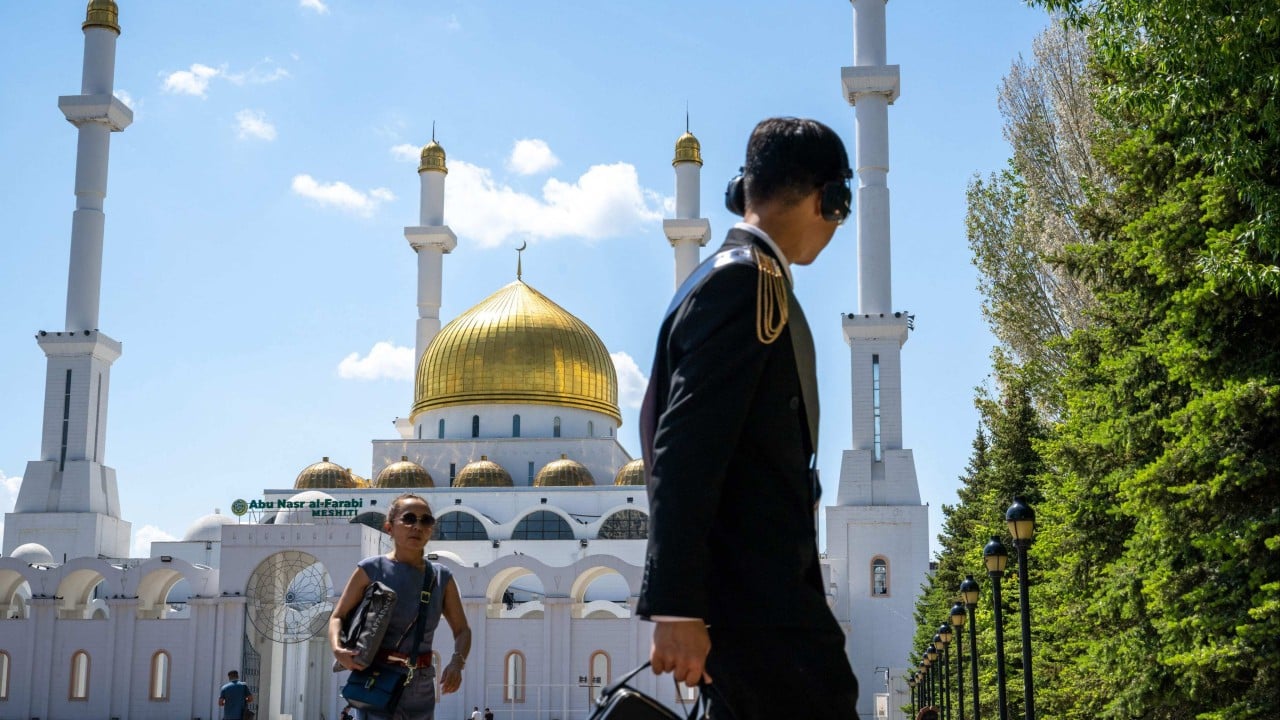
- A recent summit in Astana highlighted China's engagement with the region and the rising strategic importance of Central Asia, signaling a shift from older divisions of labor.
Central Asia is no longer a passive prize in geopolitical rivalries, but rather a region of increasingly confident players navigating a new "great game." While the 19th century saw the British and Russian empires vie for influence, today's contest involves Russia as the traditional security partner, China as the largest trading partner and investor, and growing interest from Turkey, the EU, and the United States.
However, the rules of this new game have changed. The old division of labor, where Russia provided security and China offered economic support, has ended. Russia's invasion of Ukraine has diminished Moscow's authority and its capacity to guarantee regional security. Simultaneously, China's influence is expanding, a trend accelerated, though not created, by the war.
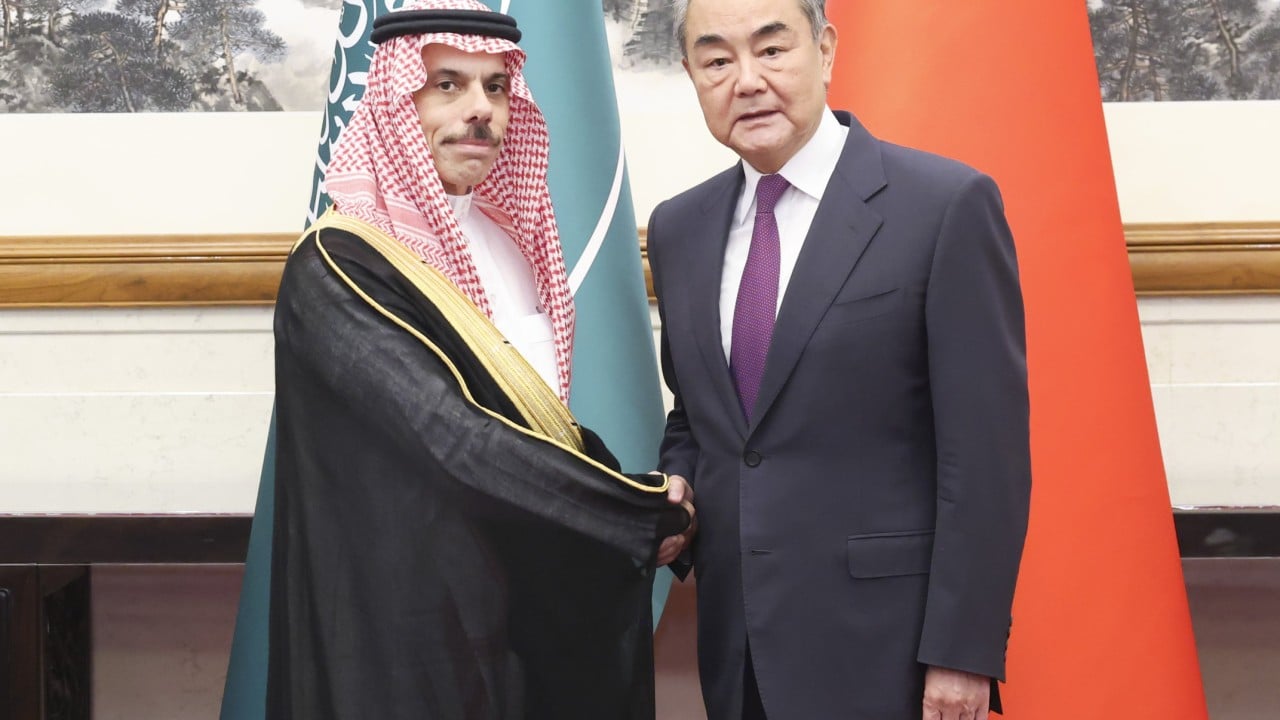
This shifting balance was evident at the China-Central Asia summit in Astana. The meeting, which brought together Chinese President Xi Jinping and the leaders of all five Central Asian republics, underscored China's growing assertiveness and the region's rising strategic importance. It also demonstrated Beijing's intent to engage Central Asia directly, bypassing Russian-led institutions.
While some Western commentary framed this engagement as merely an expansion of Chinese influence, the reality is more nuanced. The Central Asian states themselves are increasingly acting as independent actors, shaping their own destinies rather than being mere chess pieces in a larger imperial game. Their growing confidence and strategic positioning are redefining the geopolitical landscape of the region.
the old division of labour in which Russia provided the region’s security and China its economic support through trade and investment has ended
DistantNews Editorial
Originally published by South China Morning Post. Summarized and contextualized by our editorial team with added local perspective. Read our editorial standards.
More Stories
From Our Blog

Countries Without a Free Press: What You Need to Know

What Press Freedom Means for the News You Read

What Gets Lost (and Found) When News Is Translated

The Critical Role of Diaspora Media in Global News

What Travellers Should Know About Countries with Restricted Press
