


Changes or Closure: Conalfa's Literacy Strategy Questioned
Translated from Spanish, summarized and contextualized by DistantNews.
TLDR
- Guatemala faces a significant literacy challenge, with 1.8 million adults unable to read or write, predominantly women, according to 2025 projections.
- Lawmakers and the Ministry of Education are questioning the continued relevance and strategy of the National Literacy Council (Conalfa), established in the 1980s.
- Proposals include updating Conalfa's approach to target specific groups or redirecting its Q433.1 million budget towards the Ministry of Education, particularly for early childhood and primary grades.
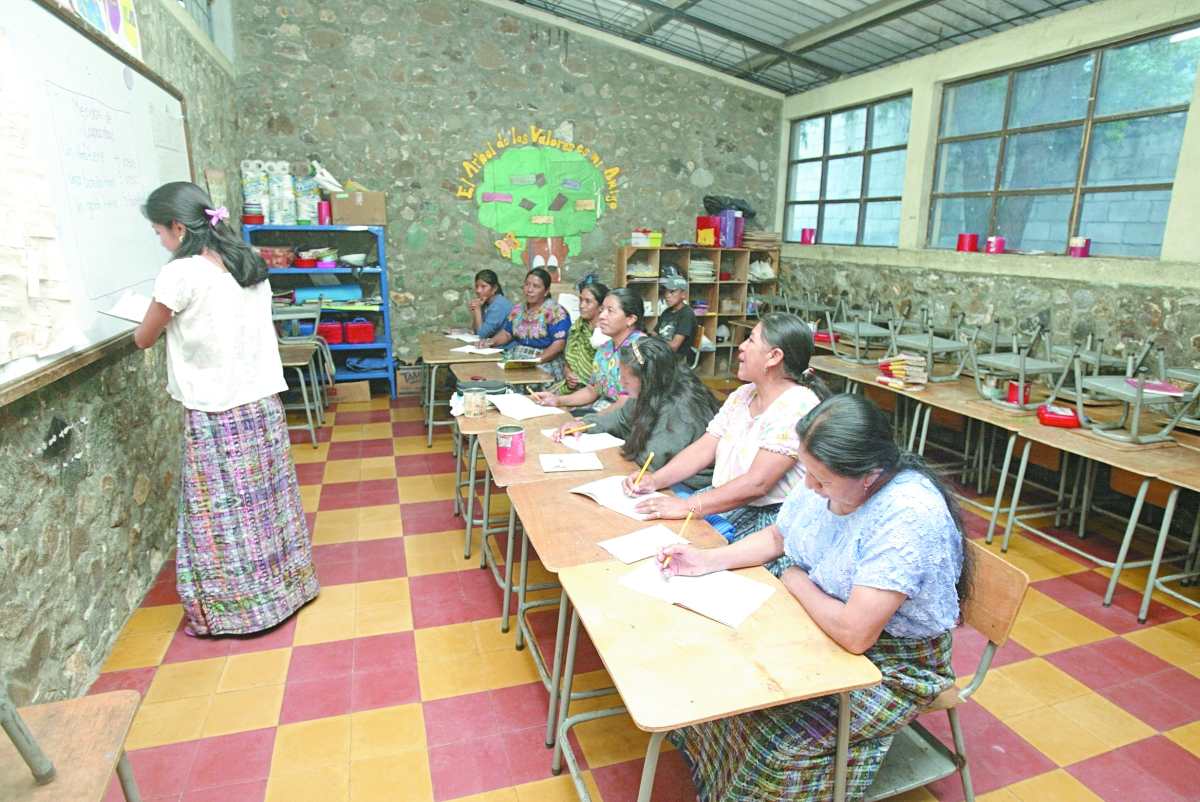
Guatemala grapples with a persistent literacy gap, with projections indicating that 1.8 million adults over 15 will remain unable to read or write by 2025, a challenge disproportionately affecting women. The effectiveness and necessity of the National Literacy Council (Conalfa), an institution established decades ago to combat widespread illiteracy, are now under scrutiny. As Prensa Libre reports, legislative and educational authorities are debating whether Conalfa's current strategy remains adequate or if the organization itself should be phased out.
Lawmaker Lucrecia Palomo argues that Conalfa, founded when illiteracy stood at 52%, is an anachronism in a country where the Ministry of Education now boasts near-universal coverage. She contends that Conalfa's substantial budget of Q433.1 million could be more effectively utilized by the Ministry of Education, focusing on foundational learning in preschool and early primary grades. Palomo criticizes Conalfa's current operational model, suggesting its resources are increasingly spent on consultants rather than direct educational outreach, and that finding willing participants has become a challenge.
Too much money is given to Conalfa for how little it works. Before, large groups were found in villages where they could teach literacy; now they have to go hunting to see who wants to learn to read and write, and the budget goes to consultants. It is better that this money be allocated to the Ministry of Education for preschoolers and first grade, which is where one learns to read and write.
Vice Minister of Education Francisco Cabrera acknowledges the need for a strategic shift, noting that illiteracy has decreased significantly to around 15% among adults, with a lower rate among younger demographics. He suggests that Conalfa's approach needs to adapt, perhaps through legislative changes, to better reach specific underserved populations, particularly adult women in rural areas. Cabrera emphasizes that identifying individuals genuinely motivated to learn is crucial, as passive proximity to educators does not guarantee engagement. The debate highlights Guatemala's evolving educational landscape and the ongoing effort to ensure literacy programs are both relevant and impactful in the 21st century.
We need to change the strategy, which could be achieved with modifications to the Literacy Law, in which specific groups are attended to.
DistantNews Editorial
Originally published by Prensa Libre in Spanish. Translated, summarized, and contextualized by our editorial team with added local perspective. Read our editorial standards.
More Stories

From Our Blog

What Gets Lost (and Found) When News Is Translated

The Critical Role of Diaspora Media in Global News

What Travellers Should Know About Countries with Restricted Press

A Digital Nomad's Guide to Following Local News

How the Same Story Looks Different in Different Countries
