


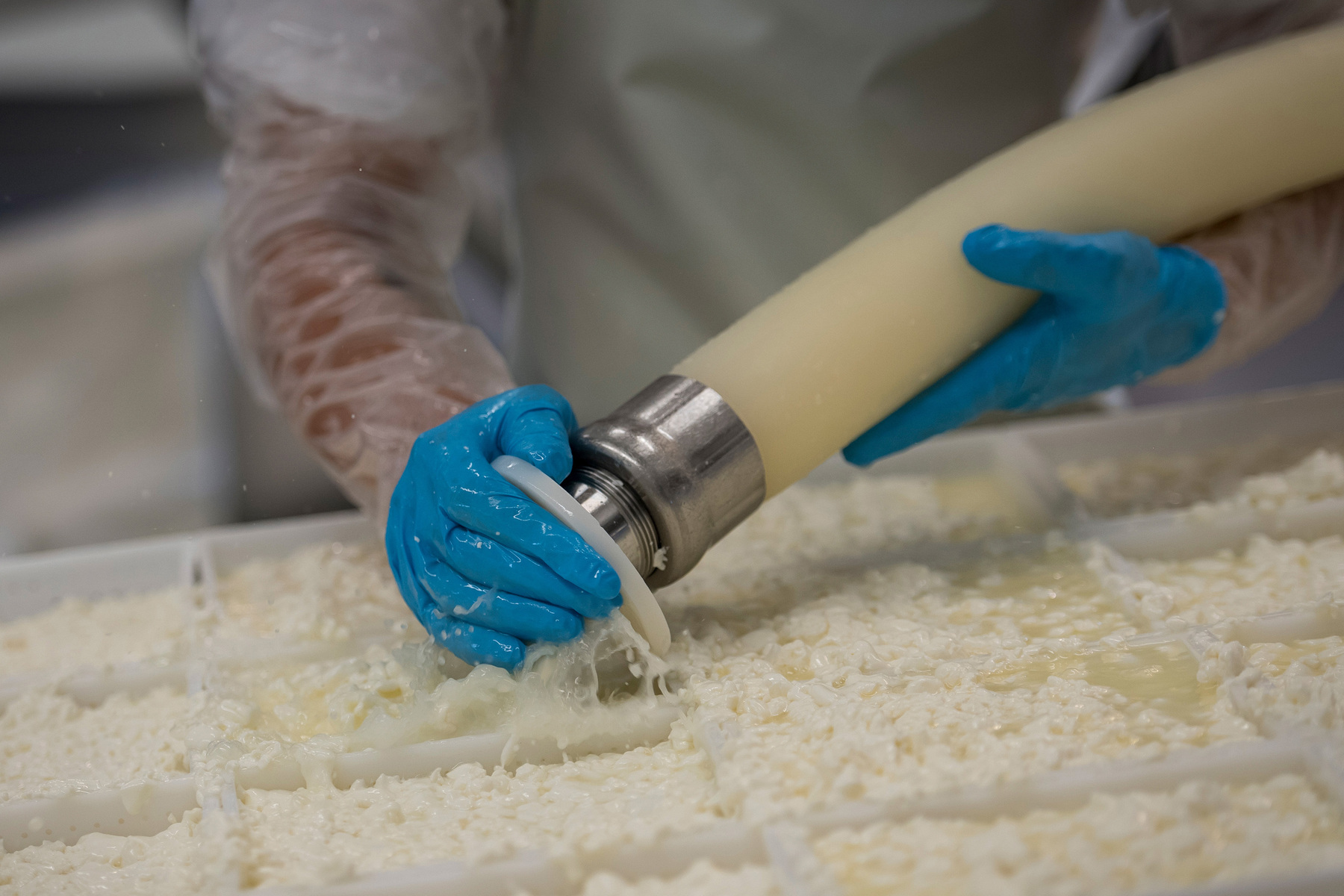
Cheap Pig Feed No More: Whey Prices Soar Due to Weight-Loss Drug Boom
Translated from German, summarized and contextualized by DistantNews.
TLDR
- The price of whey protein concentrate has surged by nearly 90% in the past year, reaching 20,000 euros per ton.
- This price increase is driven by the booming demand for GLP-1 weight-loss medications, as users seek protein-rich foods to prevent muscle loss.
- Dairy and food manufacturers are investing heavily to expand capacity and meet the rising demand, with some exploring alternative protein sources.
What was once considered mere pig feed has transformed into a highly sought-after commodity in the global food industry. Whey, or Molke as it's known in German, is experiencing an unprecedented surge in demand, primarily fueled by the widespread adoption of GLP-1 weight-loss drugs. As users of these medications increasingly turn to protein-rich foods to mitigate muscle loss during their weight reduction journeys, the market for whey protein has exploded.
The customers are increasingly looking for ways to combat the disadvantages or side effects of GLP-1.
This dramatic shift in consumer behavior is forcing dairies and food manufacturers into significant investments to boost production capacity. The strain on existing infrastructure has led to bottlenecks and, consequently, soaring prices. While a growing awareness of health benefits and the general fitness trend contribute to this demand, industry experts confirm that GLP-1 medications are the central catalyst. "Customers are increasingly looking for ways to combat the disadvantages or side effects of GLP-1," notes Hyeyoung Moon of iHerb, highlighting a shift in the consumer base from traditional bodybuilders to women focused on preserving muscle mass while losing weight.
We are currently experiencing a rush on milk proteins.
Kristen Coady from the Dairy Farmers of America (DFA) reports a "rush on milk proteins," a sentiment echoed by the dramatic price increases. Whey protein concentrate (80% protein) has seen its price jump by almost 90% in the last year, far outpacing other dairy segments. "There is a lack of capacity to convert whey into the products the market demands," explains John Lancaster, a consultant at StoneX. This supply-demand imbalance is prompting major players like FrieslandCampina to invest heavily in expanding their high-quality whey protein business. As the industry grapples with meeting this extraordinary demand, the search for alternatives, including plant-based proteins and precision fermentation, is also gaining traction. From our perspective at Die Presse, this phenomenon underscores how rapidly global health trends, amplified by pharmaceutical innovation, can reshape even the most traditional commodity markets.
There is a lack of capacity to convert whey into the products the market demands.
DistantNews Editorial
Originally published by Die Presse in German. Translated, summarized, and contextualized by our editorial team with added local perspective. Read our editorial standards.
More Stories


From Our Blog

What Gets Lost (and Found) When News Is Translated

The Critical Role of Diaspora Media in Global News

What Travellers Should Know About Countries with Restricted Press

A Digital Nomad's Guide to Following Local News

How the Same Story Looks Different in Different Countries
