


Chernobyl Fallout Still Found in Finnish Forest Mushrooms 40 Years Later, Study Shows
Translated from Finnish, summarized and contextualized by DistantNews.
TLDR
- A new study by Finland's Radiation and Nuclear Safety Authority (STUK) found that radioactive fallout from the 1986 Chernobyl disaster is still detectable in Finnish forest mushrooms 40 years later.
- The highest concentrations of radioactive cesium were found in the Kymenlaakso, Pirkanmaa, and Päijät-Häme regions, areas that received the most significant fallout.
- Despite the presence of cesium, STUK states that the radiation dose from consuming mushrooms is less than one percent of the average annual radiation dose for Finns, and there is no need to restrict mushroom foraging or consumption.
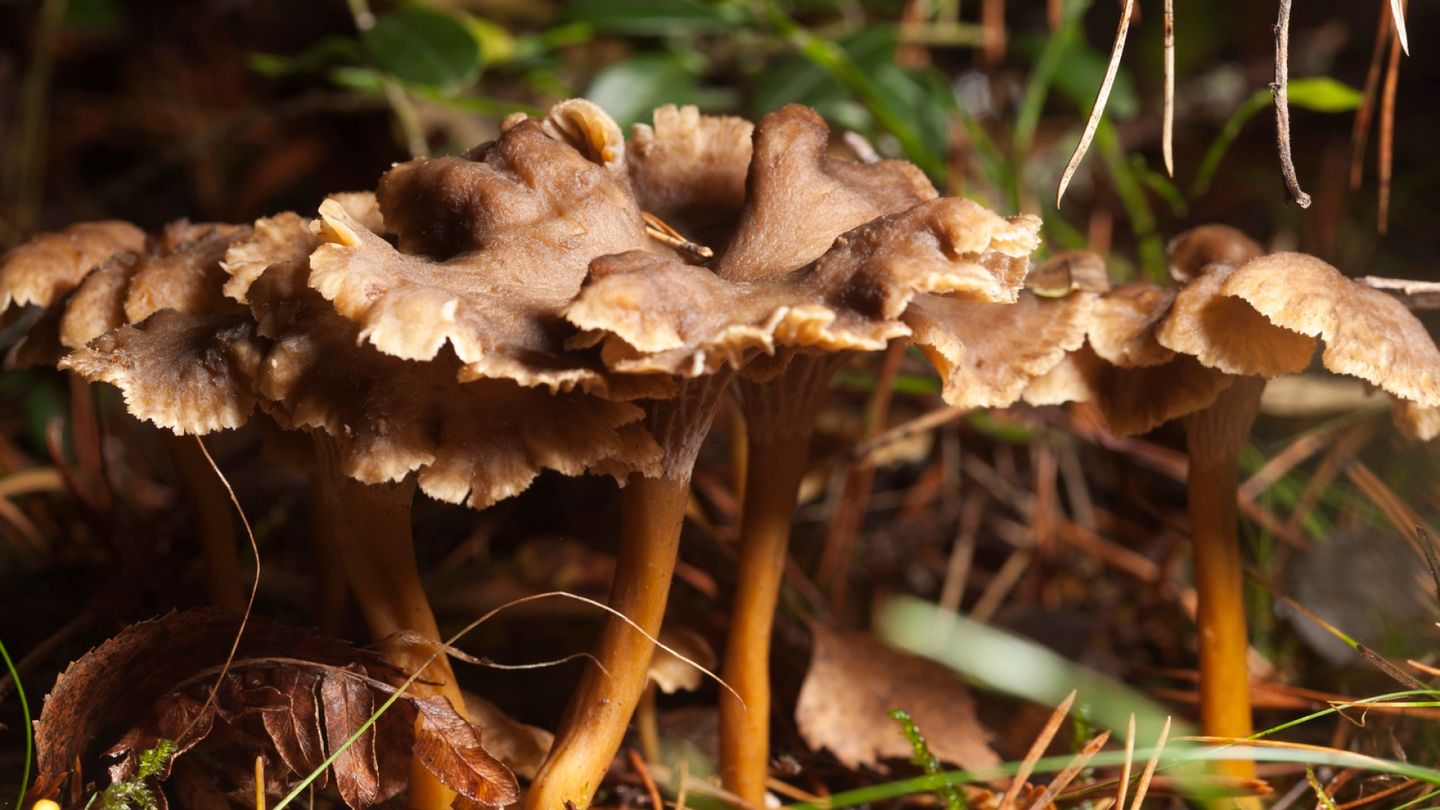
Forty years after the catastrophic Chernobyl nuclear power plant accident, a new study by the Radiation and Nuclear Safety Authority (STUK) reveals that its radioactive legacy continues to linger in Finnish forests, specifically within the mushrooms that grow there. This research underscores the long-lasting environmental impact of the disaster, even in countries far from the original site.
The radiation dose from mushrooms is less than one percent of the annual radiation dose for Finns.
The study, which analyzed nearly 900 mushroom samples collected across Finland, identified the highest levels of radioactive cesium-137 in regions like Kymenlaakso, Pirkanmaa, and Päijät-Häme. These areas were historically known to have received the most direct fallout from the Chernobyl cloud as it drifted across Europe.
The fallout came to Finland unevenly. Where it landed in the soil, it is also visible in the mushrooms.
However, the findings should not cause undue alarm among mushroom enthusiasts. STUK laboratory director Sinikka Virtanen emphasized that the radiation dose from eating these mushrooms constitutes less than one percent of a Finn's total annual radiation intake, which is primarily from natural sources like radon. Therefore, there is no need for Finns to alter their traditional practice of foraging and enjoying forest mushrooms, regardless of where they are collected within the country.
There is no need to restrict the collection or consumption of mushrooms anywhere in Finland.
DistantNews Editorial
Originally published by Helsingin Sanomat in Finnish. Translated, summarized, and contextualized by our editorial team with added local perspective. Read our editorial standards.
More Stories



From Our Blog

What Gets Lost (and Found) When News Is Translated

The Critical Role of Diaspora Media in Global News

What Travellers Should Know About Countries with Restricted Press

A Digital Nomad's Guide to Following Local News

How the Same Story Looks Different in Different Countries
