

Childhood Trauma: A Lifelong 'Wound' That Shapes Development
Translated from Malay, summarized and contextualized by DistantNews.
TLDR
- Childhood trauma can leave lasting emotional scars, impacting emotional development and the ability to overcome developmental crises.
- Trauma can manifest in various forms, including physical and emotional abuse, neglect, parental divorce, and exposure to domestic violence.
- Experts emphasize the significant role of family in providing a secure base for children, and how trauma originating from within the family can severely disrupt a child's well-being.
Utusan Malaysia delves into the profound and enduring impact of childhood trauma, presenting it not as a fleeting unpleasant experience but as a deep-seated emotional wound that can shape an individual's entire life. Counselor Nurfarahira Ahmad Yaccob explains that trauma occurs when a child's emotional development is disrupted by frightening or painful events, hindering their healthy progression through developmental stages, as outlined by Erik Erikson's theories.
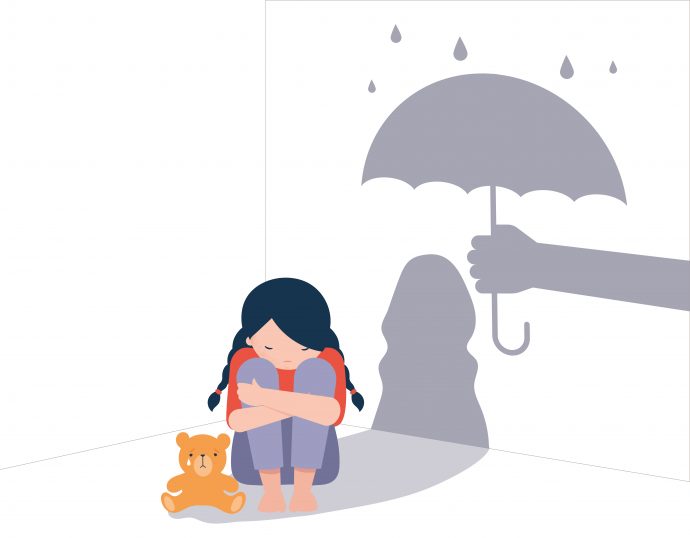
Trauma can occur in various forms, whether physical or mental. Besides physical and sexual abuse, it can also stem from neglect, parental divorce, or exposure to domestic violence.
The article distinguishes between 'Big T Trauma,' resulting from major events like the death of a parent or a severe accident, and 'Small T Trauma,' which involves repeated smaller experiences such as excessive criticism, emotional neglect, or witnessing domestic conflict. This nuanced understanding is crucial, as even seemingly minor, recurring negative experiences can foster a negative worldview, as noted by Alfred Adler's concept of 'micro-rejections.' John Bowlby's attachment theory further underscores that anything threatening a child's sense of safety with their caregiver can be a trauma trigger.
Anything that threatens a child's sense of safety with their caregiver can be a trigger for trauma.
From a Malaysian perspective, this exploration of childhood trauma highlights the critical importance of family stability and a nurturing environment. The article stresses that the family is intended to be a 'secure base,' a safe haven for a child. When the source of fear or distress emanates from within the family itself—whether through domestic violence, parental unavailability due to work or gadgets, or emotional neglect—it creates profound confusion and distress for the child's developing nervous system. This can lead to a loss of normal functioning and a sense of victimhood.
Big T Trauma refers to major events such as the death of a parent or a horrific accident that have a profound and immediate impact. Conversely, Small T Trauma involves small but repeated experiences such as excessive criticism, emotional neglect, or witnessing parents arguing.
The discussion extends to the school environment, where bullying or humiliation, even from educators, can damage a child's self-confidence and sense of competence, aligning with Erikson's 'Industry vs. Inferiority' stage. The article implicitly calls for greater awareness among parents and educators to recognize the subtle signs of trauma, such as sudden changes in sleep patterns or developmental regressions. By understanding the multifaceted nature and deep-rooted causes of childhood trauma, Malaysian society can better support its younger generation in fostering resilience and healthy emotional development.
For example, a child who sees their mother being beaten, even if not physically touched themselves, can still experience trauma if the situation occurs repeatedly.
DistantNews Editorial
Originally published by Utusan Malaysia in Malay. Translated, summarized, and contextualized by our editorial team with added local perspective. Read our editorial standards.
More Stories



From Our Blog

What Gets Lost (and Found) When News Is Translated

The Critical Role of Diaspora Media in Global News

What Travellers Should Know About Countries with Restricted Press

A Digital Nomad's Guide to Following Local News

How the Same Story Looks Different in Different Countries
