


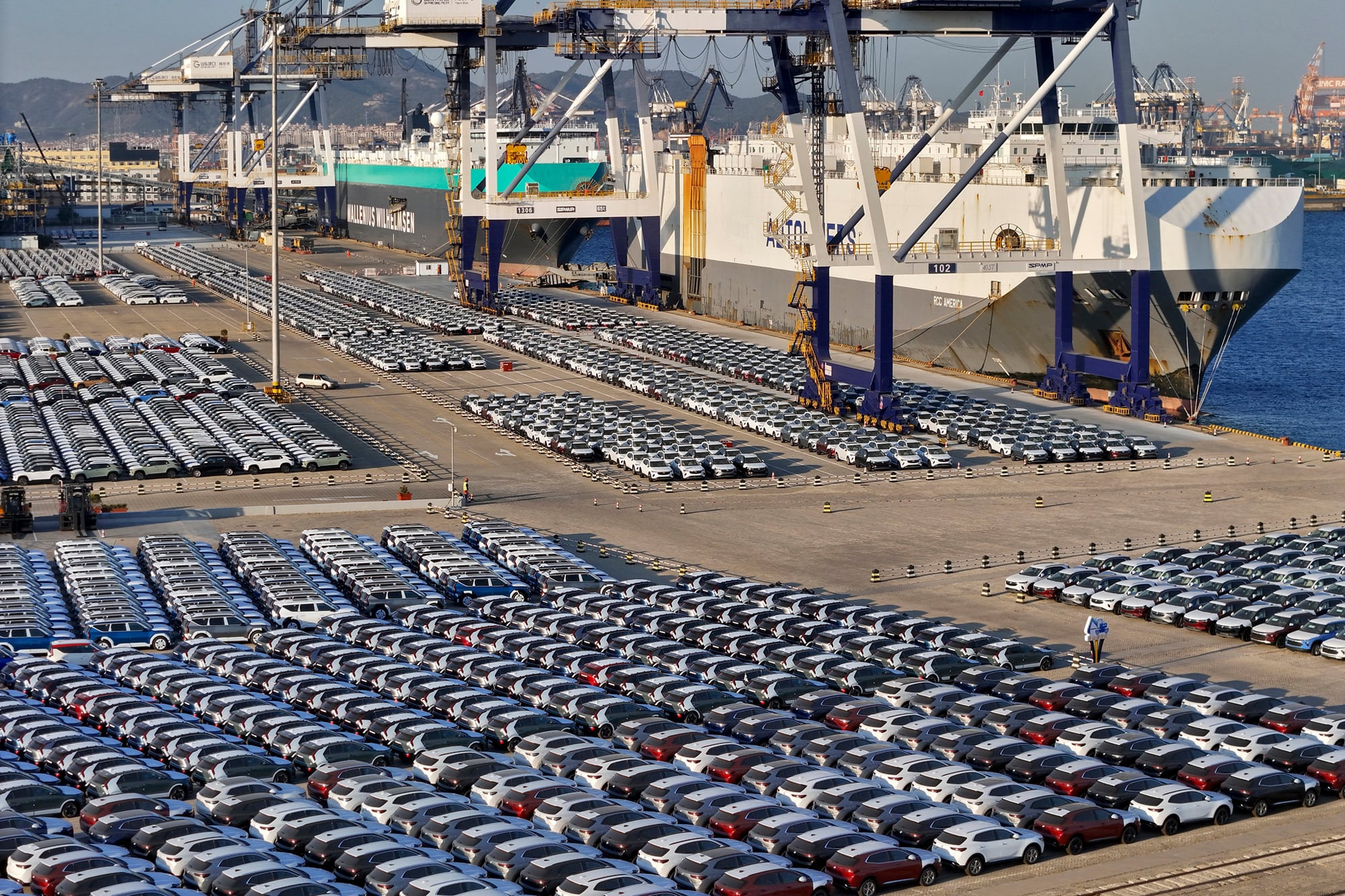
China's Auto Industry: From Nascent Beginnings to Global Leadership
Translated from Spanish, summarized and contextualized by DistantNews.
TLDR
- China's automotive industry has experienced rapid growth over the past four decades, driven by strategic alliances, technology adoption, and public policies.
- The industry evolved from restricted competition to market reform, incorporating foreign investment and local component development.
- Today, China leads global auto production and sales, with electric vehicles comprising over 40% of domestic purchase decisions.
The remarkable ascent of China's automotive industry is a testament to a long-term vision and strategic execution, transforming from nascent beginnings in the early 20th century to a global powerhouse. This evolution, spanning over four decades, showcases a deliberate strategy encompassing domestic production, crucial international partnerships, and the aggressive absorption of cutting-edge technology. Public policy has played an indispensable role, guiding the sector through critical reforms, including market liberalization and integration into the global economy via the World Trade Organization.
Key milestones mark this journey: the shift from a closed market to one embracing reform and opening-up, the successful development of national vehicle brands, and the strategic localization of components. Most recently, the focus on electric vehicles (EVs) has been a game-changer. With EVs now accounting for over 40% of consumer choices in China, the industry is not only meeting domestic demand but also setting global trends in sustainable mobility.
This transformation is deeply intertwined with China's broader economic narrative. From early foreign investments in Shanghai to the disruptions of war, the industry has shown resilience. Post-1949, with Soviet assistance, foundational manufacturing capabilities were established. While initial production volumes were modest, the subsequent decades saw a planned economy foster domestic production, albeit without market competition. The current landscape, however, is vastly different, with a vibrant domestic market offering over 60% national brands, positioning China as the world's leading auto manufacturer and innovator.
DistantNews Editorial
Originally published by La Nación in Spanish. Translated, summarized, and contextualized by our editorial team with added local perspective. Read our editorial standards.
More Stories


From Our Blog

What Gets Lost (and Found) When News Is Translated

The Critical Role of Diaspora Media in Global News

What Travellers Should Know About Countries with Restricted Press

A Digital Nomad's Guide to Following Local News

How the Same Story Looks Different in Different Countries
