

China's Reported Sulphuric Acid Export Ban Sparks Global Buyer Concerns
Translated from English, summarized and contextualized by DistantNews.
TLDR
- China's reported ban on sulphuric acid exports, effective in May, is causing concern among overseas buyers.
- Sulphuric acid is a critical chemical for fertilizer and metal processing, with China being a major global exporter.
- The ban, coupled with ongoing conflict in the Gulf, could significantly impact global supply and prices, highlighting China's pivotal role in the chemical trade.
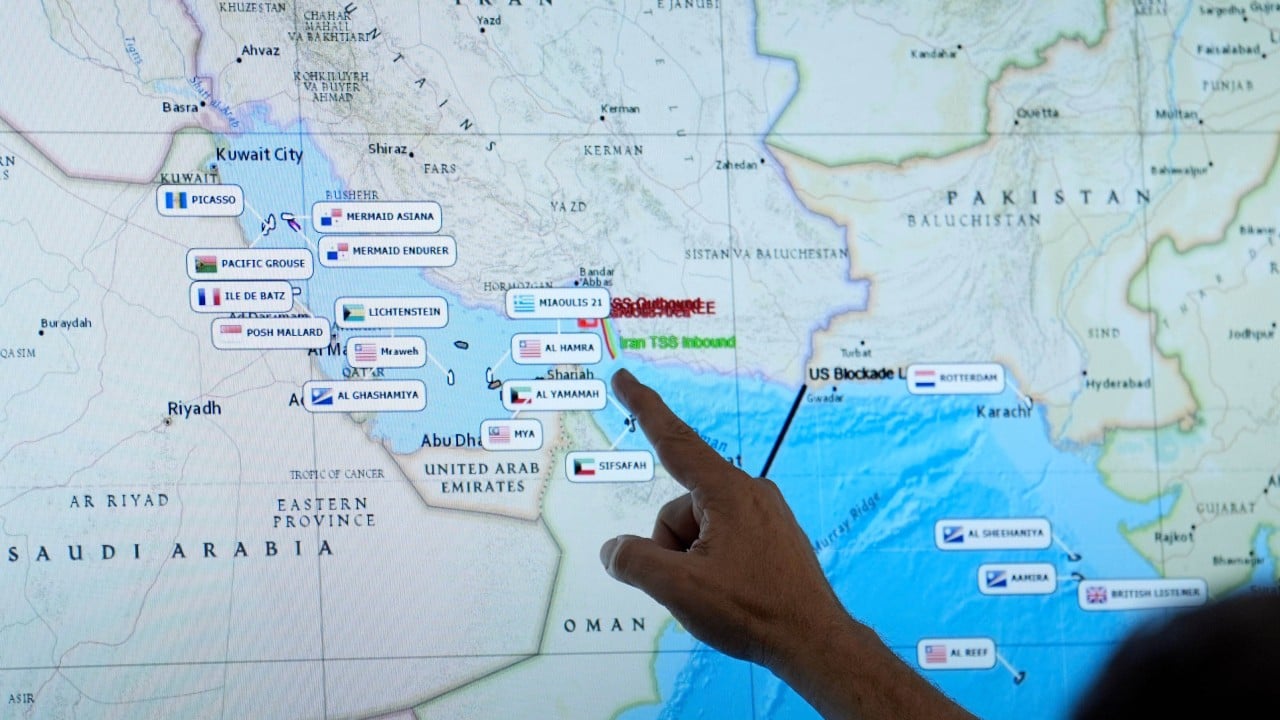
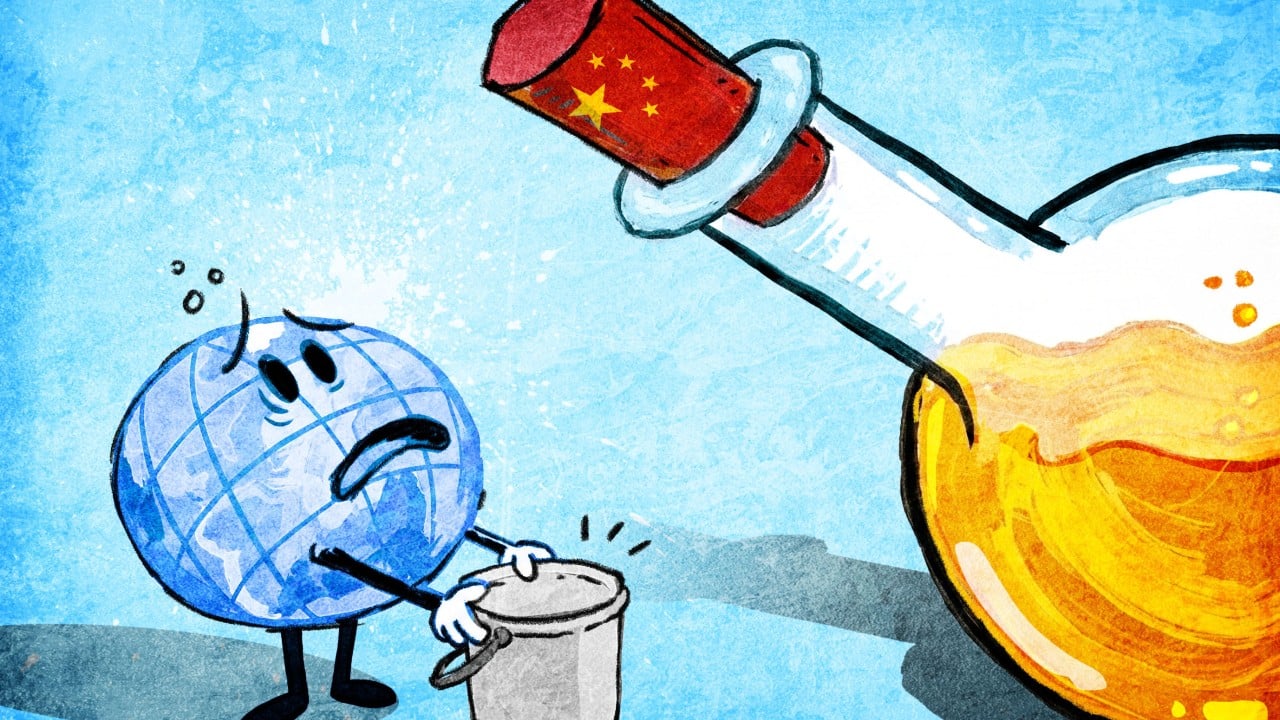
The global chemical market is bracing for significant disruption as reports emerge of China implementing a ban on sulphuric acid exports starting in May. This move, affecting a chemical vital for industries ranging from fertilizer production to battery manufacturing, comes at a precarious time. Global supply chains have already been strained by the ongoing conflict in the Gulf and the resulting blockade of the Strait of Hormuz, which had previously stalled shipments from a region accounting for a quarter of global production. China's dominance in the sulphuric acid trade cannot be overstated; last year, it supplied 45% of the nearly 10 million tonnes of the chemical shipped from Asia and about 23% of all global exports. The potential halt in these shipments has left international buyers scrambling for alternatives, raising fears of price volatility and shortages. Analysts warn that this decision underscores China's position as a linchpin in the trade of critical materials, a role that could be leveraged in future geopolitical or economic negotiations. The total export value of China’s sulphuric acid last year reached US$290 million, with key destinations including Chile, Indonesia, Saudi Arabia, Morocco, and India. This year, the US has also emerged as a top importer, further emphasizing the widespread impact of this potential export freeze.
significant implications
DistantNews Editorial
Originally published by South China Morning Post in English. Translated, summarized, and contextualized by our editorial team with added local perspective. Read our editorial standards.
More Stories

From Our Blog

Countries Without a Free Press: What You Need to Know

What Press Freedom Means for the News You Read

What Gets Lost (and Found) When News Is Translated

The Critical Role of Diaspora Media in Global News

What Travellers Should Know About Countries with Restricted Press
