

China Should Guard Against US Maritime Containment Strategy, Adviser Warns
Translated from English, summarized and contextualized by DistantNews.
TLDR
- A Chinese policy adviser warns the US may use maritime chokepoints to contain China, similar to its actions against Iran.
- The adviser suggests Beijing should bolster its naval presence and establish maritime communication mechanisms to counter this strategy.
- US security documents prioritizing the Western Hemisphere are seen as a "feint" to distract from the real goal of containing China and Russia.
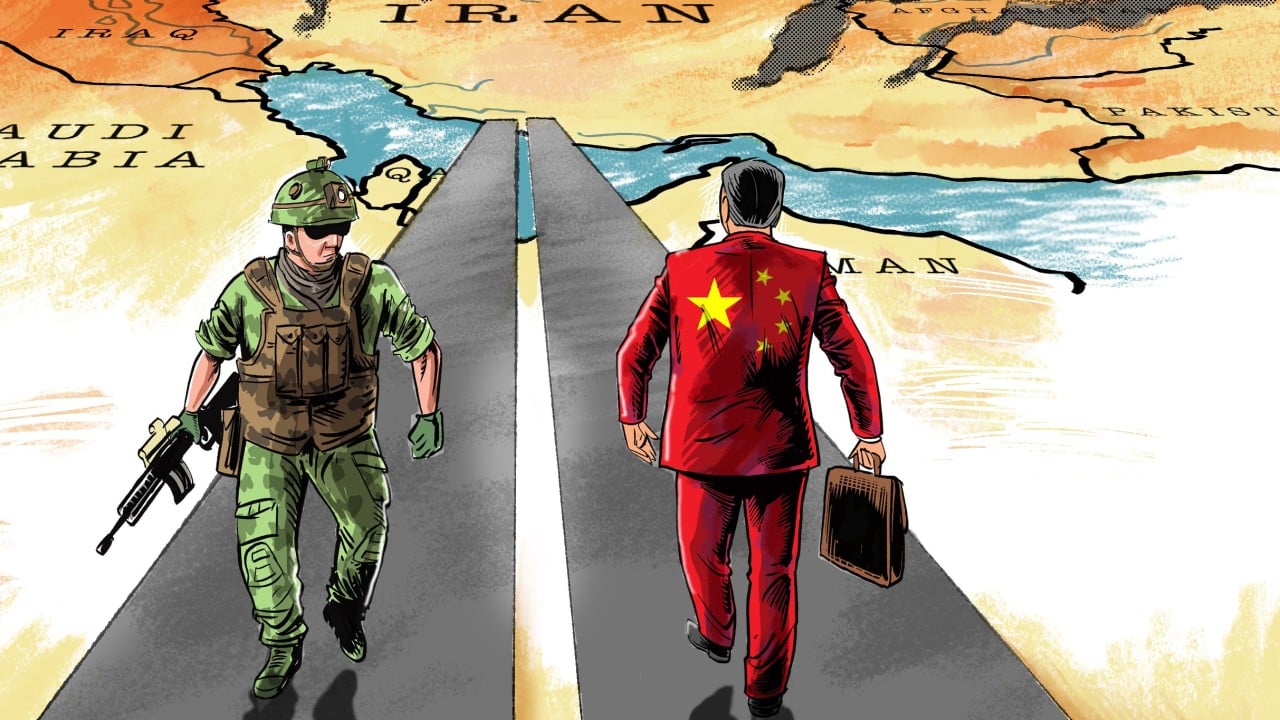
The United States' persistent focus on controlling global maritime chokepoints, as evidenced by its confrontations with Iran, poses a direct threat to China's development and security. This is the stark warning issued by Gu Dingguo, a research fellow at East China Normal University specializing in neighborhood diplomacy and security. His analysis, presented as a policy recommendation to Beijing, underscores an "undeniable reality": Washington's primary objective remains the containment of China and Russia, particularly China.
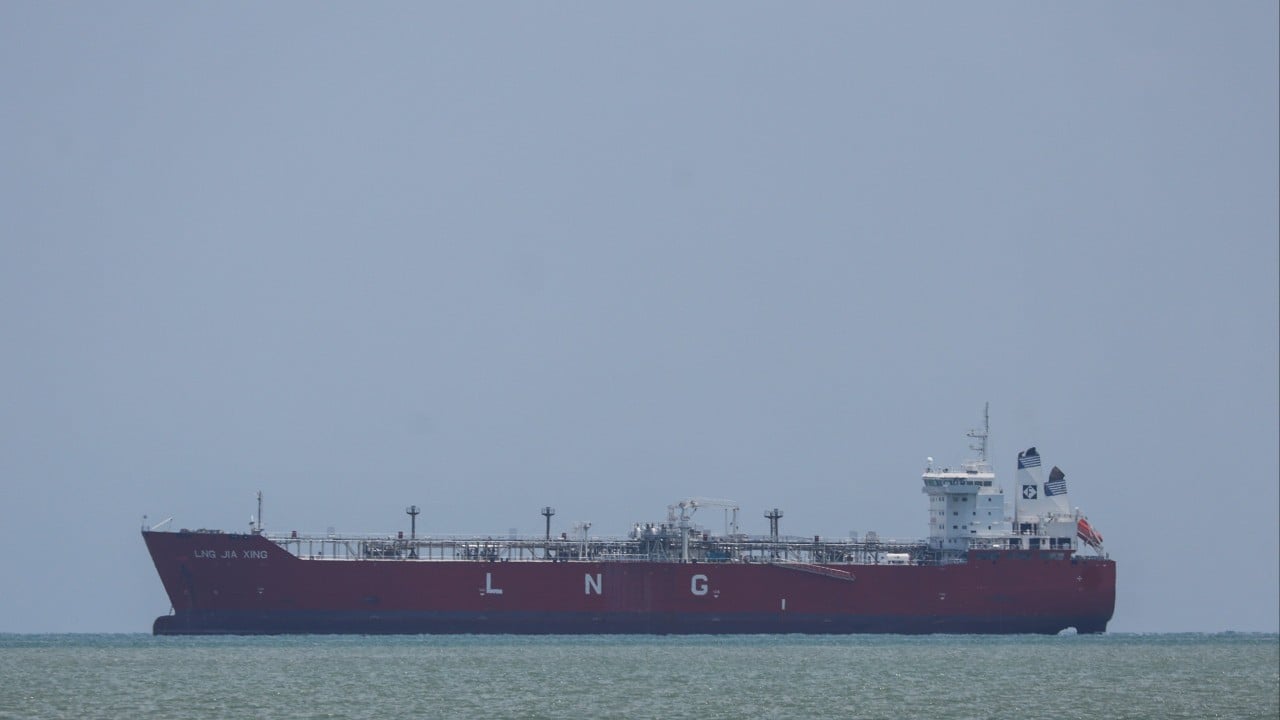
By observing Iran’s leverage over strategic waterways, the US is likely to intensify its focus on global maritime chokepoints, further targeting China’s shipping lanes to stifle Beijing’s development.
Gu argues that the US withdrawal from Iran, despite the strategic importance of the Strait of Hormuz, is not a sign of disengagement but rather a strategic repositioning. The US is likely to intensify its efforts to control key maritime passages worldwide, viewing them as critical tools to stifle Beijing's economic and military expansion. The notion that US security documents prioritize the Western Hemisphere is dismissed as a mere "feint," a deliberate misdirection from the true geopolitical agenda.
From the perspective of the South China Morning Post, this analysis reflects a growing concern within Chinese policy circles about the US's maritime security strategy. While Western media might frame these US actions as defensive or aimed at maintaining global stability, we see them as part of a concerted effort to limit China's rise. The emphasis on chokepoints is particularly relevant to China, given its heavy reliance on maritime trade routes for energy imports and exports.
The reason the US wants out of Iran so badly is that it is still fixated on containing China and Russia, especially China. This is an unchangeable reality.
To counter this perceived containment strategy, Gu proposes a two-pronged approach: a significant enhancement of China's naval capabilities and the proactive establishment of maritime communication mechanisms with all nations, including the US. This suggests a desire for de-escalation and dialogue, even while preparing for potential confrontation. The core message is clear: China must not be complacent and must actively safeguard its maritime interests in the face of increasing US pressure. This is not just about trade; it's about ensuring China's continued development and its rightful place on the global stage.
US security documents released last year purporting to prioritise the western hemisphere were “merely a feint”.
DistantNews Editorial
Originally published by South China Morning Post in English. Translated, summarized, and contextualized by our editorial team with added local perspective. Read our editorial standards.
More Stories

From Our Blog

Countries Without a Free Press: What You Need to Know

What Press Freedom Means for the News You Read

What Gets Lost (and Found) When News Is Translated

The Critical Role of Diaspora Media in Global News

What Travellers Should Know About Countries with Restricted Press
