

Iran Conflict Exposes Gulf Vulnerabilities, Elevates China's Role
Translated from English, summarized and contextualized by DistantNews.
TLDR
- The Iran-Iraq war has disrupted Gulf security and economies, paralyzing the Strait of Hormuz and causing oil prices to surge.
- The conflict exposed the fragility of Gulf economies reliant on stable maritime flows and US security guarantees, which proved unreliable.
- China's diplomatic approach, prioritizing dialogue and de-escalation, offers a potential alternative for Gulf states seeking stability and reliable energy exports.
The recent conflict involving Iran has sent shockwaves through the Gulf's established security framework and its ambitious economic development plans. For decades, the region has operated under the assumption of a robust US security umbrella, a notion now exposed as a mirage. The paralysis of the Strait of Hormuz, a critical artery for global oil, and direct strikes deep into Gulf territory have underscored the vulnerability of economies heavily invested in logistics, tourism, and a green transition. These vital sectors depend on uninterrupted maritime traffic and a stable geopolitical environment, both of which have been severely threatened.
The Iran war has delivered a systemic shock to the Gulf’s security architecture and economic miracle.
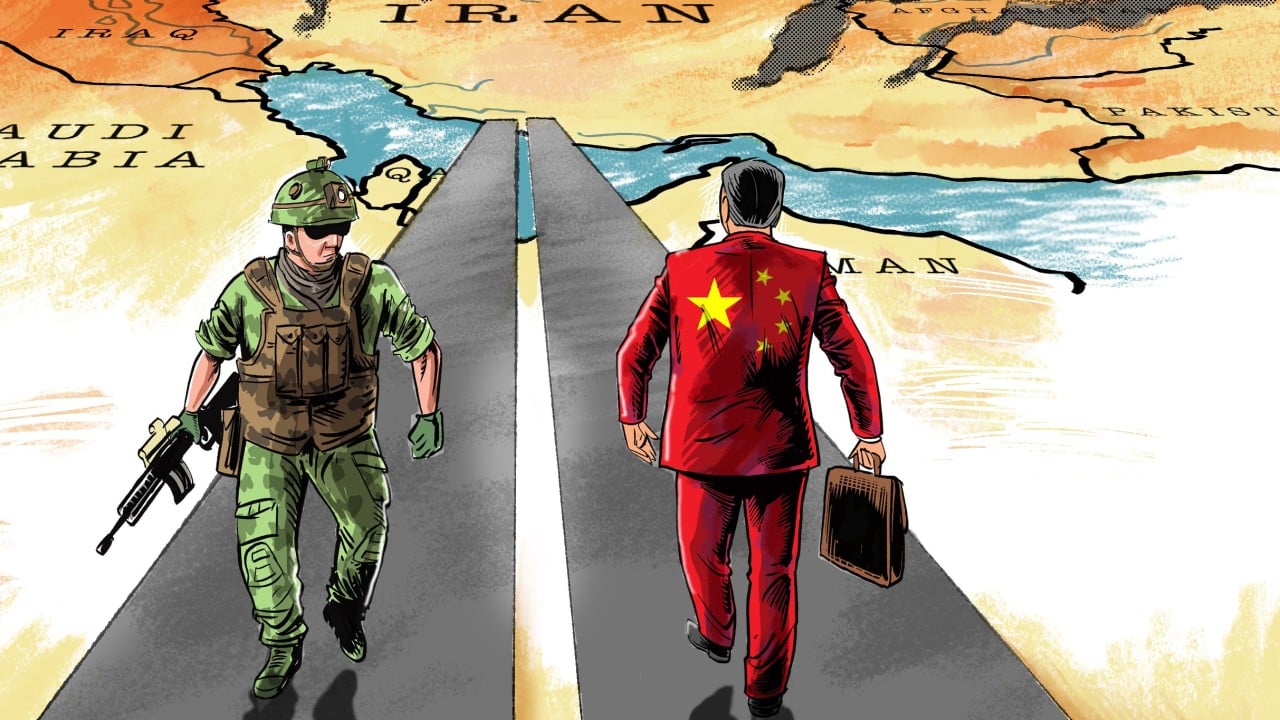
In this precarious landscape, China's strategic posture emerges with renewed significance. Beijing's consistent emphasis on dialogue, de-escalation, and avoiding military entanglements presents a compelling alternative. Unlike the West's often interventionist approach, China's method prioritizes quiet diplomacy and multilateral signaling, aligning more closely with the Gulf's immediate need for stability and predictability in energy exports.
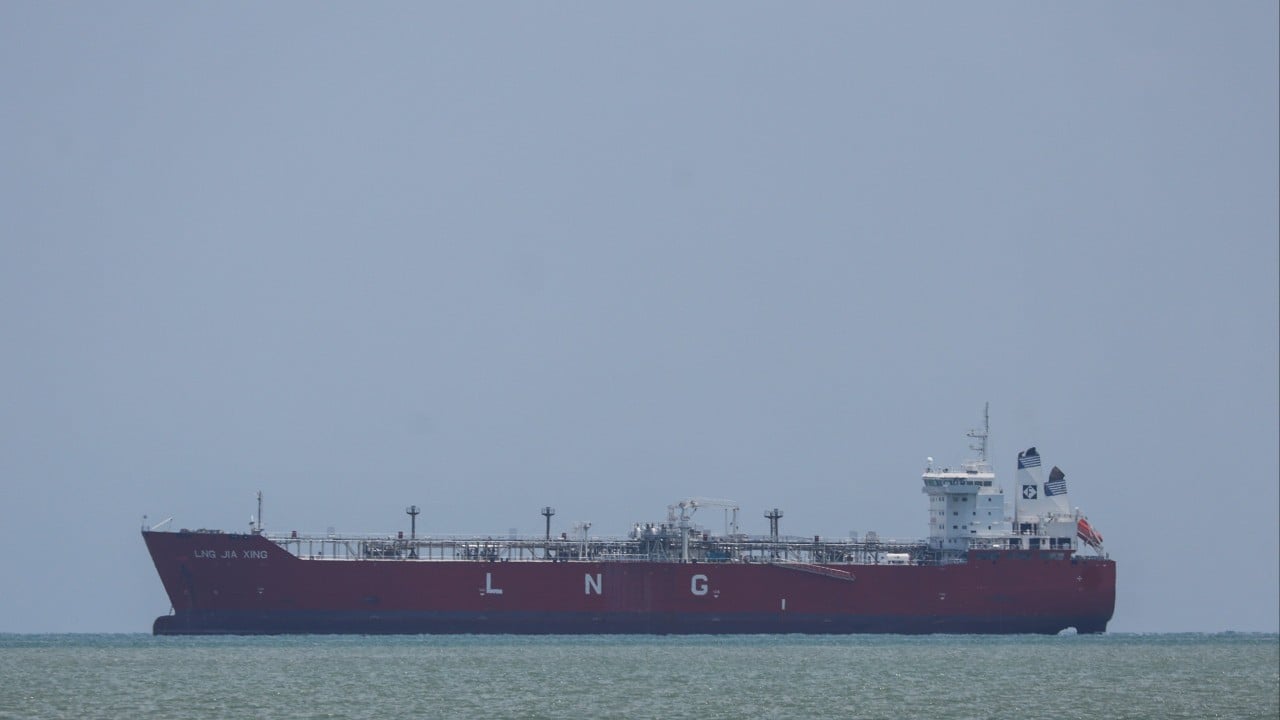
The Strait of Hormuz, which carries roughly one-fifth of global oil consumption and close to a quarter of seaborne crude, was paralysed for sustained periods.
China's substantial economic ties with Iran, particularly in energy trade, provide Beijing with unique leverage. This relationship allows for communication with Tehran that is less ideologically constrained and more economically incentivized to prevent prolonged supply disruptions. As the South China Morning Post observes, China's role in facilitating post-conflict de-escalation, whether through shuttle diplomacy or regional dialogue, directly addresses the Gulf's paramount concerns.
For Gulf economies that have spent the past decade investing heavily in logistics, tourism, advanced manufacturing and a green transition, the episode felt existential.
From a regional perspective, the US's perceived unreliability as a security guarantor forces a strategic re-evaluation. While Western media may focus on the geopolitical shifts, the Gulf states are primarily concerned with the practical implications for their economic diversification and future prosperity. China's engagement, therefore, is not merely a geopolitical play but a pragmatic response to an urgent need for a stable and predictable regional order, ensuring the continued flow of trade and investment that underpins their long-term visions.
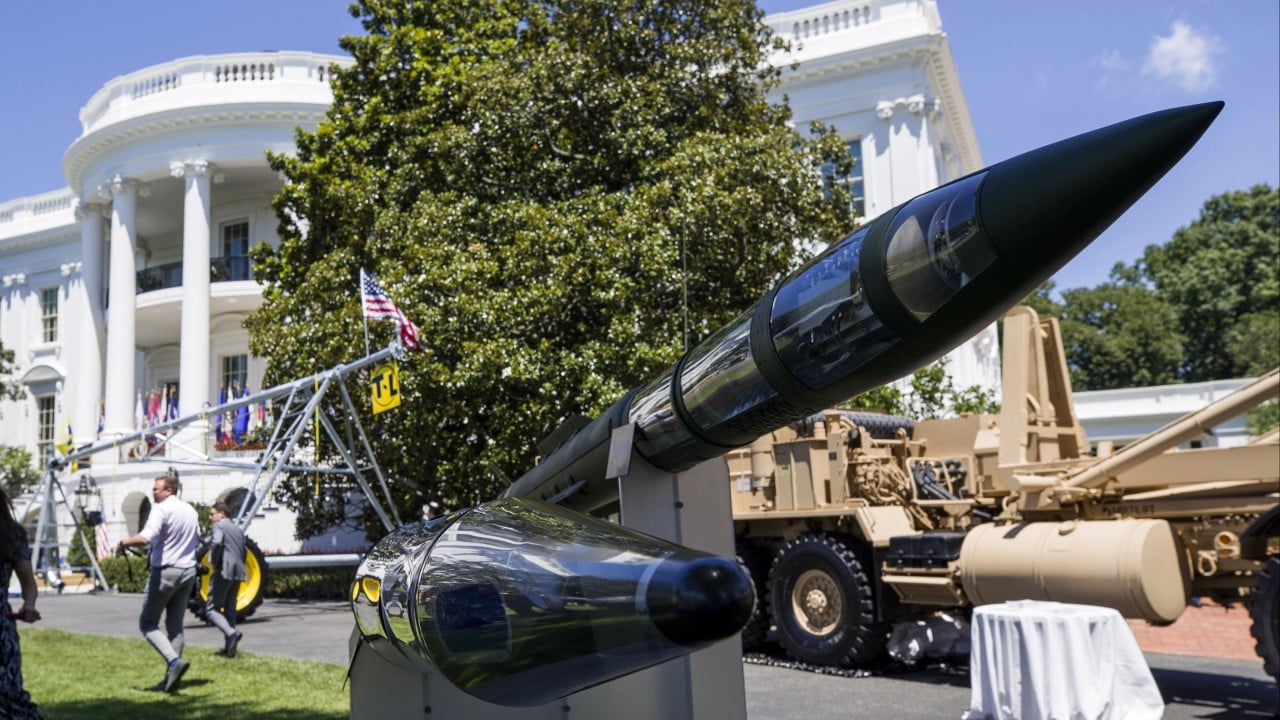
With 13 US bases across the wider region nearly uninhabitable, the US protection umbrella has turned out to be a mirage.
DistantNews Editorial
Originally published by South China Morning Post in English. Translated, summarized, and contextualized by our editorial team with added local perspective. Read our editorial standards.
More Stories

From Our Blog

Countries Without a Free Press: What You Need to Know

What Press Freedom Means for the News You Read

What Gets Lost (and Found) When News Is Translated

The Critical Role of Diaspora Media in Global News

What Travellers Should Know About Countries with Restricted Press
