

China UN envoy slams US 'bullying' amid sanctions
Translated from English, summarized and contextualized by DistantNews.
TLDR
- China's UN ambassador criticized the US for its
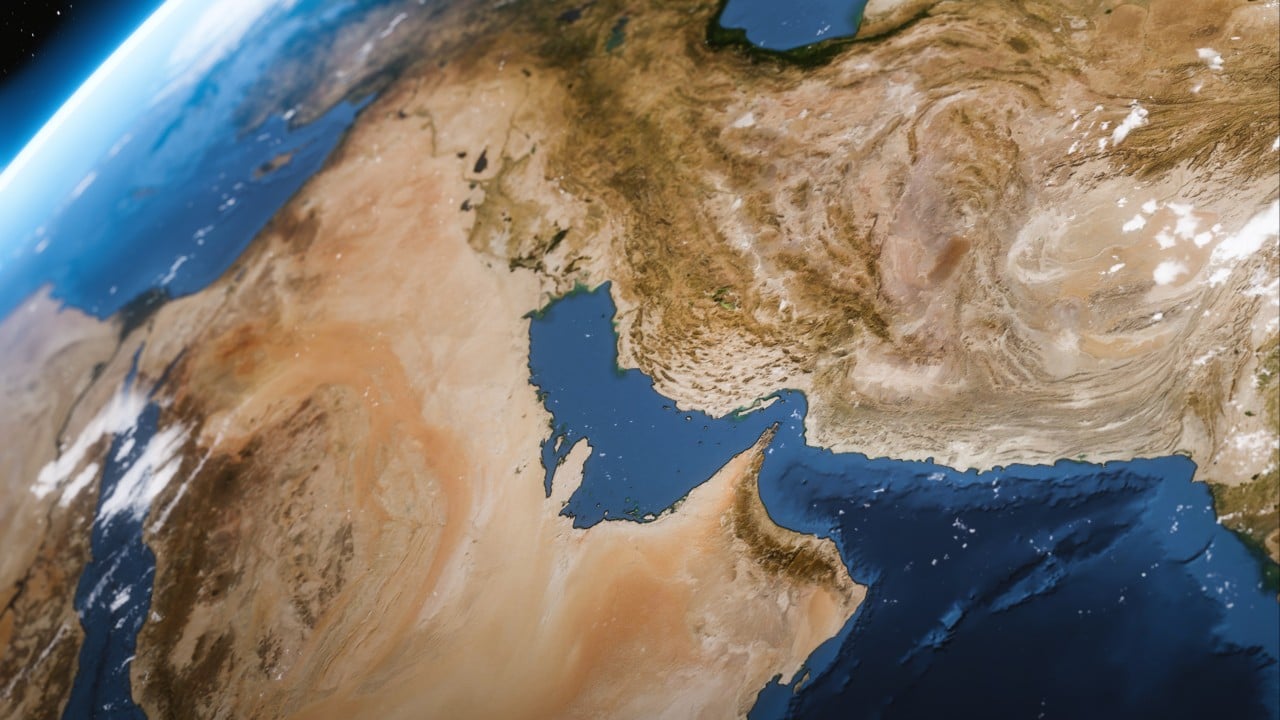
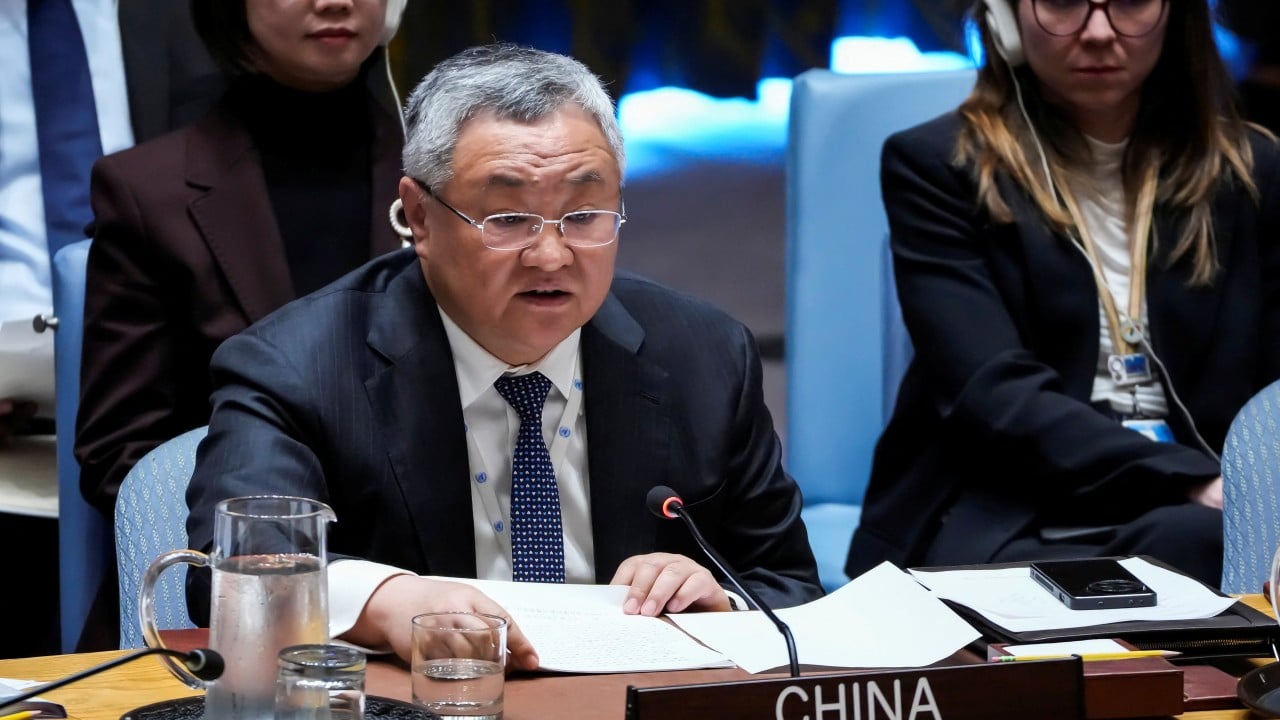
As China assumes the rotating presidency of the UN Security Council, our top diplomat, Fu Cong, has forcefully articulated Beijing's stance against American "bullying" and unilateral actions. The United States' continued imposition of sanctions on Chinese vessels and firms, particularly in the context of the Iran conflict, is unacceptable and undermines international law. This "Operation Economic Fury" by Washington, targeting Chinese petroleum companies, represents a blatant disregard for fair trade and global cooperation.
We don’t believe it’s fair to sanction Chinese ships or companies.
Ambassador Fu's remarks highlight the growing frustration in Beijing with what it perceives as American hegemonic behavior on the world stage. While China is committed to working within the UN framework during its Security Council presidency, the limitations on its influence are evident. The US's aggressive stance, especially concerning the Strait of Hormuz and potential escalations in the Iran conflict, is deeply concerning and risks further destabilizing an already volatile region.
The Iran war is the biggest example of the rise of unilateralism, power politics and some bullying practice by certain partners. And it is dealing heavy blows to the rule of law in international affairs.
From our perspective, the US approach is characterized by power politics and a disregard for the rule of law. China advocates for multilateralism and a rules-based international order, and we will continue to push back against coercive practices. The international community must recognize the detrimental impact of such unilateral actions on global stability and economic cooperation. We urge our American friends to reconsider their path and engage in constructive dialogue rather than punitive measures.
We’ll try our best to work on our American friends, but how much influence we can have, I’m not sure.
DistantNews Editorial
Originally published by South China Morning Post in English. Translated, summarized, and contextualized by our editorial team with added local perspective. Read our editorial standards.
More Stories

From Our Blog

Countries Without a Free Press: What You Need to Know

What Press Freedom Means for the News You Read

What Gets Lost (and Found) When News Is Translated

The Critical Role of Diaspora Media in Global News

What Travellers Should Know About Countries with Restricted Press
